
Beautiful Plants For Your Interior
Beautiful Plants For Your Interior
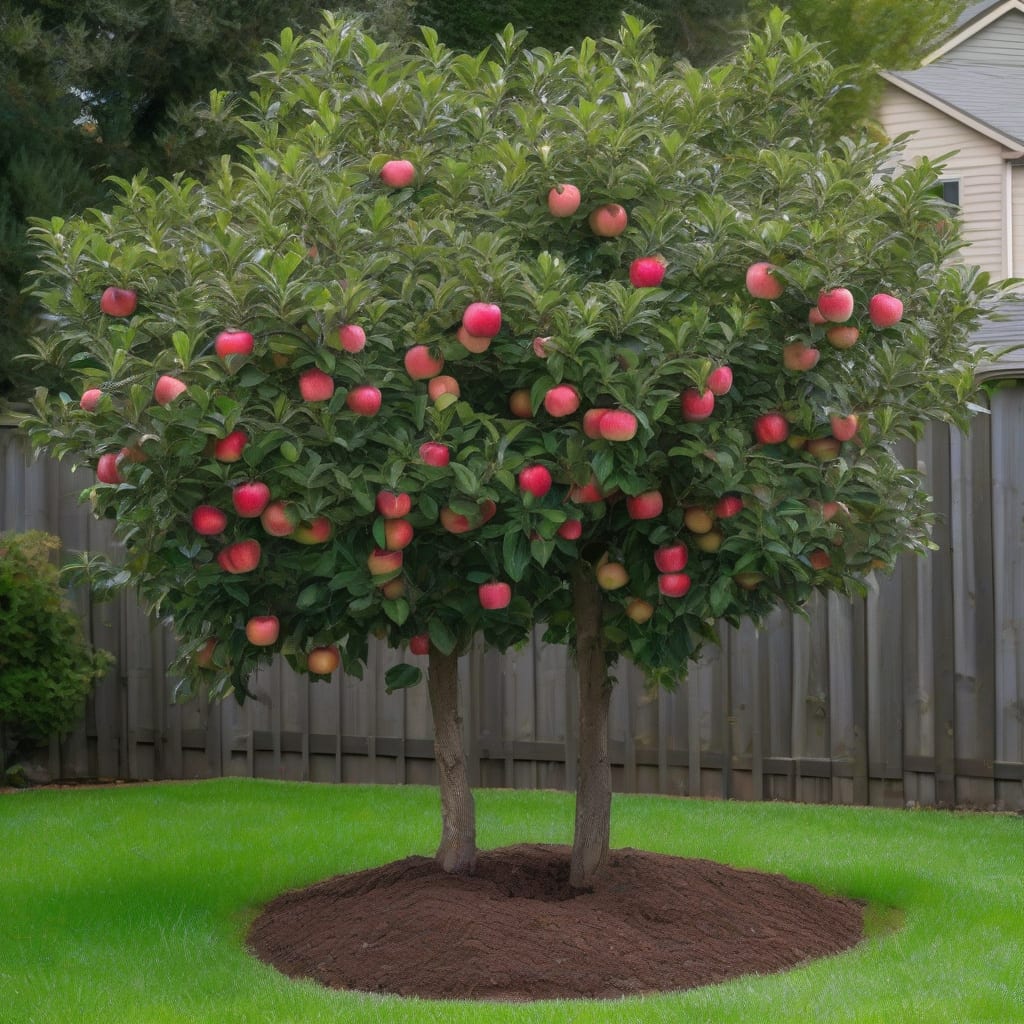
When growing Dwarf Trees 🌳 in your garden, understanding their growth patterns is crucial. These compact trees offer the perfect solution for small spaces, but their height can vary based on several factors.
In USDA Zone 6, you can expect your Dwarf Tree to grow between 8-12 feet tall. Proper pruning and care can help maintain the desired size, ensuring your tree thrives in its environment.


Dwarf trees are popular for small gardens due to their compact size and manageable growth. The height of these trees is influenced by several key factors, including the rootstock, pruning techniques, variety selection, and growing conditions 🌳.
The rootstock plays a crucial role in determining the ultimate height of a dwarf tree. Different rootstocks have varying levels of vigor, which directly impacts the tree’s growth potential. For example, some rootstocks are bred to be more dwarfing, resulting in shorter trees, while others may produce slightly taller specimens.
Understanding these factors is essential for gardeners who want to manage the height of their dwarf trees effectively. By selecting the right rootstock and variety, and employing appropriate pruning techniques, gardeners can influence the growth pattern of their trees 🌟.
Pruning techniques are another critical factor in controlling the height of dwarf trees. Regular pruning not only helps maintain the desired size but also promotes healthy growth and fruit production. Pruning should be done annually, focusing on removing dead, branches, and thinning out the center to allow sunlight to penetrate 🌿.
By combining the right rootstock, variety selection, and pruning techniques, gardeners can effectively manage the height of their dwarf trees. This holistic approach ensures that the trees remain healthy, productive, and within the desired size range 🌱.
The growing conditions also play a significant role in the height of dwarf trees. Factors such as soil quality, sunlight exposure, and climate can impact the overall vigor and growth of the tree. Ensuring optimal growing conditions will help achieve the best possible height and health for the tree 🌞.
Regular pruning is key to maintaining the desired height of your dwarf trees. Prune annually to keep your trees healthy and productive.
In conclusion, the height of dwarf trees is influenced by a combination of factors including rootstock, pruning techniques, variety selection, and growing conditions. By understanding and managing these factors, gardeners can cultivate healthy, productive dwarf trees that thrive in their garden 🌼.
Dwarf trees come in various types, each with its own expected height range. Understanding these variations helps gardeners choose the right tree for their space 🌳.
The height of dwarf fruit trees can vary significantly depending on the variety. For example, dwarf apple trees typically grow between 8-12 feet tall, while dwarf cherry trees may reach heights of 6-10 feet. These trees are grafted onto rootstocks that control their size, making them ideal for smaller gardens 🌟.
Dwarf ornamental trees also offer a range of heights. For instance, dwarf flowering trees like crabapples can grow between 6-10 feet tall, providing beautiful blooms in spring 🌼.
Factors such as soil quality, sunlight exposure, and climate can affect the mature size of dwarf trees. Ensuring optimal growing conditions will help achieve the best possible height and health for the tree 🌞.
Gardeners should consider these factors when selecting and caring for their dwarf trees to ensure they reach their expected height range 🌟.
By understanding the typical height ranges for different dwarf tree varieties, gardeners can make informed decisions about which trees to plant and how to care for them 🌱.
Regular maintenance, including pruning and fertilization, plays a crucial role in managing the height and overall health of dwarf trees 🌿.
In summary, dwarf trees offer a versatile option for gardeners with limited space, providing both fruit and ornamental value 🌳.
To effectively manage the height of dwarf trees, gardeners must employ proper pruning techniques and training methods. Regular pruning not only controls the tree’s size but also promotes healthy growth and enhances fruit production 🌳.
Pruning should be done annually, focusing on removing dead, diseased, or damaged branches. This practice helps maintain the tree’s overall health and encourages the growth of new, productive wood 🌟.
Start by removing any branches that are dead, diseased, or damaged. This helps prevent the spread of disease and encourages healthy growth.
Thin out the center of the tree to allow sunlight to penetrate. This improves air circulation and promotes even fruit ripening.
Shape the tree to maintain its desired form and size. Prune back any branches that are growing too long or out of place.
In addition to pruning, training methods can be used to control the height of dwarf trees. Techniques such as espaliering or using support structures can help maintain the tree’s shape and direct its growth 🌿.
By combining regular pruning with appropriate training methods, gardeners can effectively manage the height of their dwarf trees. This approach ensures that the trees remain healthy, productive, and within the desired size range 🌱.
Regular maintenance is key to successful dwarf tree cultivation. By following these pruning techniques and training methods, gardeners can enjoy the benefits of their dwarf trees for years to come 🌼.
