
Beautiful Plants For Your Interior
Beautiful Plants For Your Interior
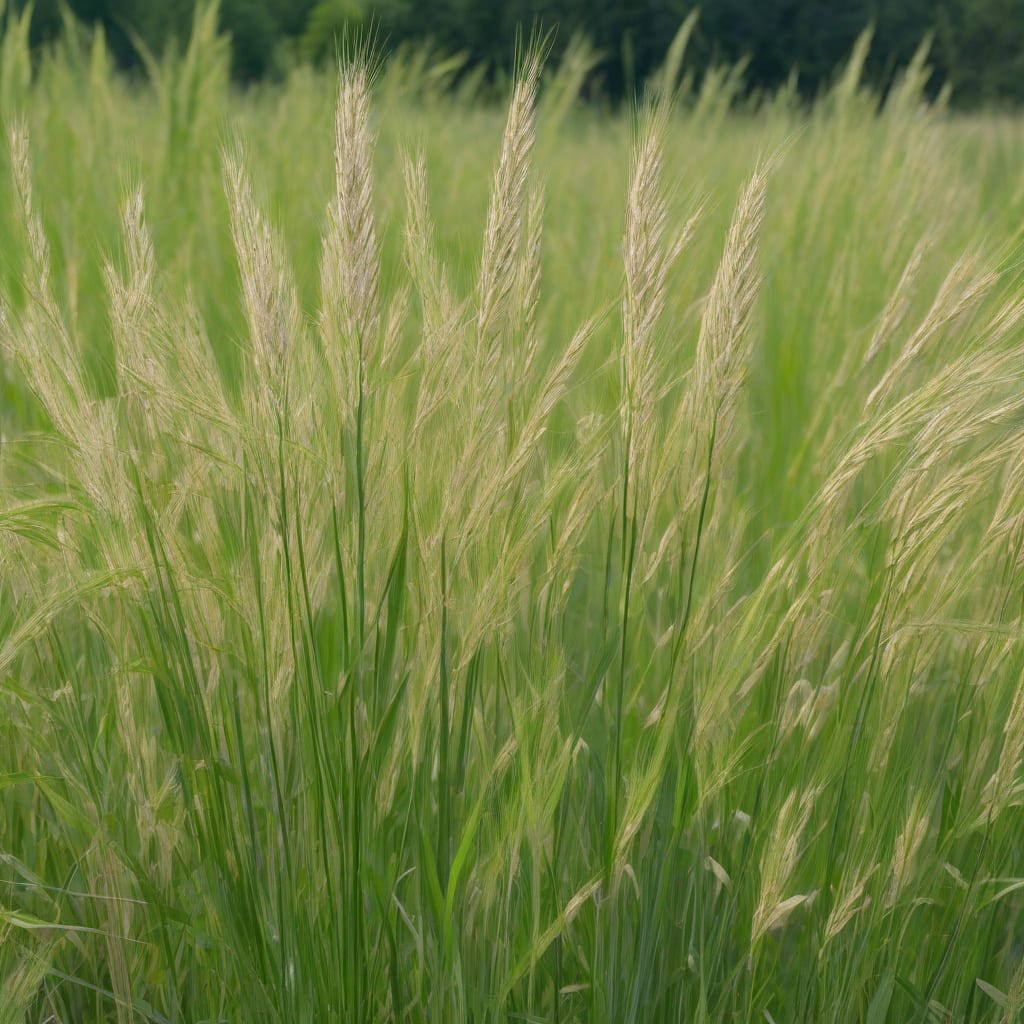
As I step into my garden, I’m always curious about how tall my 🌾 oats will grow. Understanding oat height is crucial for optimizing crop management and maximizing yields.
Oats typically grow between 2-4 feet tall, depending on the variety and growing conditions in USDA Zone 6. Let’s explore the factors that influence oat height and how to manage them for a successful harvest.


Oat height is influenced by multiple factors that farmers need to consider for optimal crop management. The variety of oats being grown plays a significant role in determining final plant height. Different oat varieties have been bred for specific characteristics, including height, which can range from 2 to 4 feet on average.
Soil conditions are another critical factor affecting oat growth height. Oats prefer well-draining soil with adequate nutrient content. Soil pH between 6.0 and 7.0 is considered optimal for oat cultivation. Nutrient availability, particularly nitrogen levels, can significantly impact plant height and overall growth.
The cultivation practices employed by farmers also significantly affect oat growth height. Seeding rates can influence plant density and competition, which in turn affects final height. Proper fertilizer management, particularly nitrogen application, is essential for promoting healthy growth while avoiding excessive vegetative development that can lead to lodging.
Understanding these factors is crucial for farmers to make informed decisions about oat cultivation. By considering the variety, soil conditions, and cultivation practices, farmers can optimize oat height for maximum yield potential. Proper management of these factors helps ensure a successful harvest and maintains crop quality 🌾.
Farmers should carefully select oat varieties suitable for their specific growing conditions. The chosen variety should be resistant to local diseases and pests while offering the desired height characteristics. This selection process is critical for achieving optimal growth and yield.
In addition to variety selection, farmers must monitor and manage soil conditions throughout the growing season. Regular soil testing helps identify nutrient deficiencies, allowing for timely application of necessary fertilizers. This proactive approach ensures that oats receive the nutrients they need for healthy growth.
Effective fertilizer management is also vital for controlling oat height. Applying the right amount of nitrogen at the appropriate growth stage promotes healthy development without causing excessive growth that could lead to lodging. Farmers should follow recommended fertilizer application guidelines based on soil test results and crop requirements.
By combining appropriate variety selection, soil management, and cultivation practices, farmers can optimize oat height for their specific growing conditions. This integrated approach helps maximize yield potential while maintaining crop quality and reducing the risk of lodging or other growth-related issues.
Regular monitoring of oat crops throughout the growing season allows farmers to make timely adjustments to their management strategies. This might include adjusting fertilizer applications or implementing other growth management techniques as needed to achieve optimal oat height and yield.
Successful oat cultivation requires a comprehensive understanding of the factors influencing growth height. By carefully managing these factors, farmers can produce high-quality oats that meet their specific needs and market requirements.
The combination of appropriate variety selection, optimal soil conditions, and effective cultivation practices forms the foundation for successful oat production. Farmers who master these elements can achieve consistent yields and maintain the quality of their oat crops.
Oat varieties exhibit a range of heights that are important for farmers to understand when planning their crop management strategies. The height of oat plants can vary significantly based on the specific variety being grown.
Different oat varieties have been developed for various purposes, including forage production, grain production, and cover cropping. Each of these types may have distinct height characteristics that influence their suitability for different agricultural applications 🌾.
The height of oat varieties can significantly impact their suitability for different farming practices. Taller varieties may be more prone to lodging, which can complicate harvesting operations.
Farmers should consider the specific height characteristics of different oat varieties when selecting seed for their operations. The choice of variety can influence not only the height of the crop but also its overall yield potential and resistance to environmental stresses.
Understanding the average height range of different oat varieties helps farmers make informed decisions about crop management. This knowledge is essential for optimizing planting density, managing fertilizer applications, and planning for harvest.
By selecting oat varieties with appropriate height characteristics, farmers can better manage their crops to achieve optimal yields and quality. This selection process is a critical component of successful oat production.
In conclusion, the height of oat varieties is a key factor in determining their suitability for various agricultural applications. Farmers must carefully consider the height characteristics of different oat varieties when planning their crop management strategies to ensure successful production 🌾.
Managing oat height is crucial for achieving optimal yield and quality. Farmers can control oat height through various cultivation practices, including seeding rates, fertilizer management, and the use of growth regulators.
Adjusting seeding rates is one effective way to manage oat height. Higher seeding rates can lead to denser stands, which may result in taller plants and increased competition for resources. Conversely, lower seeding rates can promote more vigorous growth of individual plants, potentially leading to taller stalks 🌾.
To optimize oat height, maintain soil moisture during germination and adjust nitrogen application based on soil test results. Monitor crop density and consider using growth regulators if necessary to prevent lodging.
Fertilizer management plays a significant role in controlling oat height. Nitrogen is a key nutrient that affects plant growth and development. Applying the right amount of nitrogen at the appropriate growth stage can promote healthy growth without causing excessive vegetative development that could lead to lodging.
Farmers should follow recommended fertilizer application guidelines based on soil test results and crop requirements. This approach ensures that oats receive the necessary nutrients for optimal growth while minimizing the risk of over-fertilization.
In some cases, farmers may use growth regulators to manage oat height and prevent lodging. These products can help reduce plant height and improve standability, particularly in high-yielding environments or under conditions favorable for excessive growth.
By combining appropriate seeding rates, fertilizer management, and the judicious use of growth regulators, farmers can effectively manage oat height to achieve optimal yield and quality. Regular monitoring of oat crops throughout the growing season is essential for making timely adjustments to management strategies.
Successful oat production requires a comprehensive understanding of the factors influencing growth height and yield. By carefully managing these factors, farmers can produce high-quality oats that meet their specific needs and market requirements 🌾.
