
Beautiful Plants For Your Interior
Beautiful Plants For Your Interior
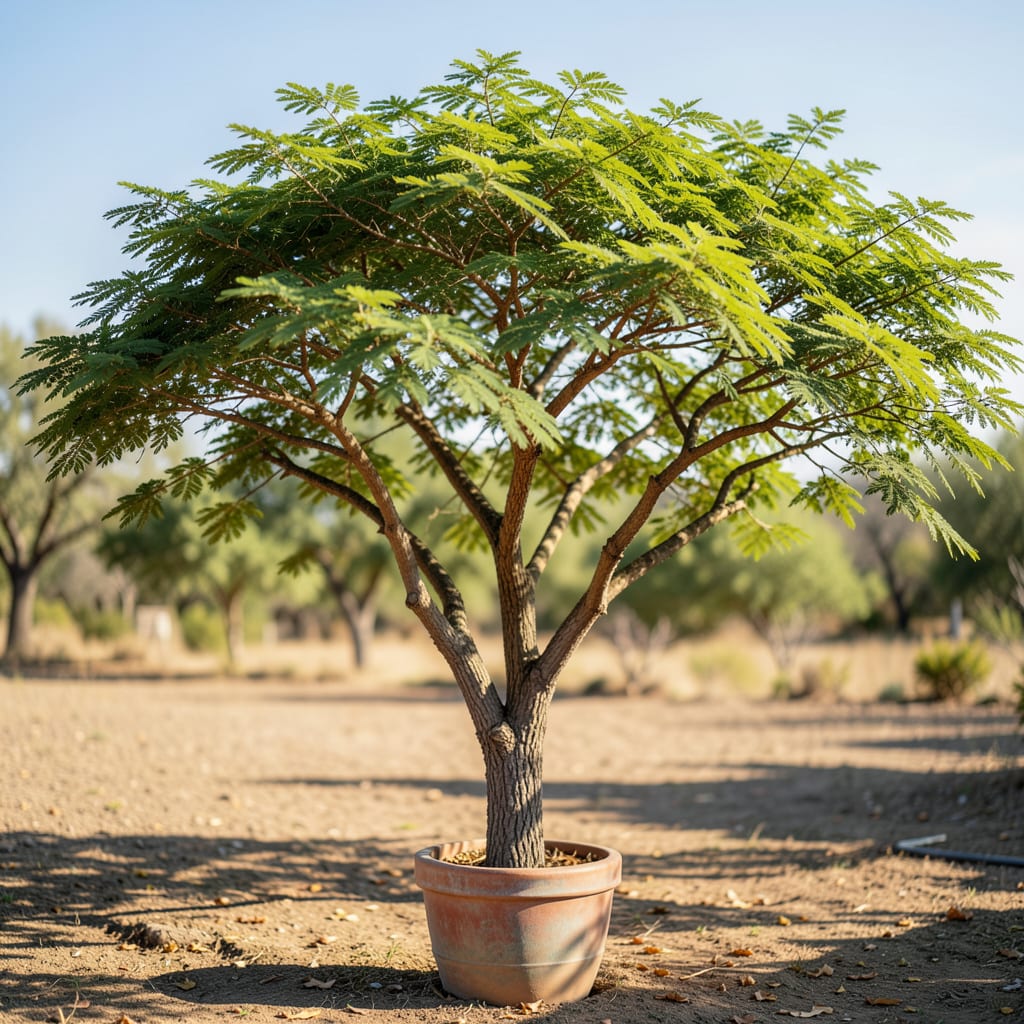
When planning your garden in USDA Zone 6a, understanding the mature size of your trees is crucial. The Mesquite Tree 🌳 typically grows between 15-30 feet tall, making it a great choice for spaces that need shade without overwhelming the landscape.
To incorporate Mesquite Trees effectively, consider their need for full sun and proper spacing. Plant them where they can thrive without competing with other plants for resources, and enjoy their resilience in challenging environments.


Mesquite trees are known for their impressive growth and resilience in harsh desert environments. The height of these trees can vary significantly based on the species and environmental conditions 🌳.
Different species of mesquite trees exhibit a range of growth patterns. Understanding these variations is crucial for gardeners and landscapers to make informed decisions about tree selection and placement.
The maximum height of mesquite trees is influenced by factors such as soil quality, water availability, and climate conditions. For instance, mesquite trees growing in areas with poor soil and limited water may not reach their full potential height.
In optimal conditions, with adequate moisture and nutrient-rich soil, mesquite trees can achieve their maximum height within a few decades. This makes them a valuable choice for landscaping projects where quick shade and structure are desired.
It’s also worth noting that mesquite trees are known for their deep root systems, which allow them to thrive in challenging environments. This adaptability is more pronounced in certain species, such as the Velvet Mesquite, which can thrive in a variety of soil types.
Understanding the growth patterns and maximum heights of mesquite trees helps in planning and maintaining landscapes that are both beautiful and sustainable. By selecting the right species for your environment, you can enjoy the many benefits these trees offer 🌳.
Mesquite trees not only provide shade and aesthetic appeal but also contribute to the ecological balance of their surroundings. Their ability to fix nitrogen in the soil can improve soil health, benefiting other plants in the vicinity.
Incorporating mesquite trees into your garden or landscape can be a rewarding experience. With their resilience and versatility, they are an excellent choice for a variety of landscaping needs.
By considering the specific needs and characteristics of mesquite trees, you can create a thriving and sustainable landscape that enhances your outdoor space.
Mesquite trees are a testament to nature’s ability to adapt and thrive in challenging conditions. Their presence can transform any landscape into a vibrant and resilient ecosystem 🌳.
Mesquite tree height is influenced by various environmental and soil conditions. Understanding these factors helps gardeners and landscapers make informed decisions about tree placement and care 🌳.
The growth of mesquite trees is significantly affected by soil quality and water availability. Trees growing in poor soil with limited water may not reach their full potential height.
Mesquite trees thrive in well-drained soil with adequate moisture. Proper soil conditions and watering practices are crucial for optimal height growth.
Climate conditions also play a crucial role in determining the height of mesquite trees. Trees growing in areas with extreme temperatures or prolonged drought may experience stunted growth.
In optimal conditions, with adequate moisture and nutrient-rich soil, mesquite trees can achieve significant height within a few decades. This makes them a valuable choice for landscaping projects where quick shade and structure are desired.
Mesquite trees are known for their deep root systems, which allow them to thrive in challenging environments. This adaptability is more pronounced in certain species, such as the Velvet Mesquite, which can thrive in a variety of soil types.
The height of mesquite trees can also be influenced by pruning practices. Regular pruning can help control the height and promote healthy growth, making it an essential part of mesquite tree care 🌳.
By understanding the factors that affect mesquite tree height growth, gardeners and landscapers can make informed decisions to create thriving and sustainable landscapes.
Mesquite trees are a popular choice for landscaping due to their resilience and adaptability. However, managing their height is crucial to maintaining a balanced and aesthetically pleasing landscape 🌳.
Regular pruning practices are essential for controlling the height of mesquite trees. Pruning helps maintain the tree’s shape and promotes healthy growth by removing dead or damaged branches.
Prune mesquite trees during their dormant season to minimize stress and promote healthy regrowth.
When pruning mesquite trees, it’s important to consider their natural growth patterns. Removing lower branches can help maintain a clean appearance, while thinning out the canopy can improve air circulation and reduce disease risk 🌳.
In addition to pruning, other factors such as soil quality and water availability play a significant role in managing mesquite tree height. Ensuring optimal growing conditions can help trees reach their full potential while maintaining a manageable size.
By combining regular pruning with proper care, you can effectively manage the height of your mesquite trees and enjoy their many benefits in your landscape 🌳.
Mesquite trees can be a beautiful addition to any landscape when properly maintained. Their unique characteristics and adaptability make them an excellent choice for various landscaping needs.
Proper management of mesquite tree height not only enhances the aesthetic appeal of your landscape but also contributes to the overall health and sustainability of your garden.
Mesquite trees typically grow between 15-30 feet tall, with some species reaching heights of up to 50 feet in optimal conditions. The height varies depending on the specific species and environmental factors. Proper care can help them reach their full potential height.
The Velvet Mesquite (Prosopis velutina) is known to be one of the tallest mesquite species, reaching heights of 30-50 feet. Other species like the Honey Mesquite can grow up to 30-40 feet tall. The Screwbean Mesquite typically reaches heights of 15-30 feet.
Regular pruning practices are essential for controlling the height of mesquite trees. Prune during the dormant season to minimize stress and promote healthy regrowth. Removing lower branches and thinning the canopy can also help maintain a desired height.
Yes, soil quality and water availability significantly impact mesquite tree height. Trees in poor soil with limited water may not reach their full potential height. Well-drained soil with adequate moisture supports optimal height growth. Proper soil conditions are crucial for healthy tree development.
