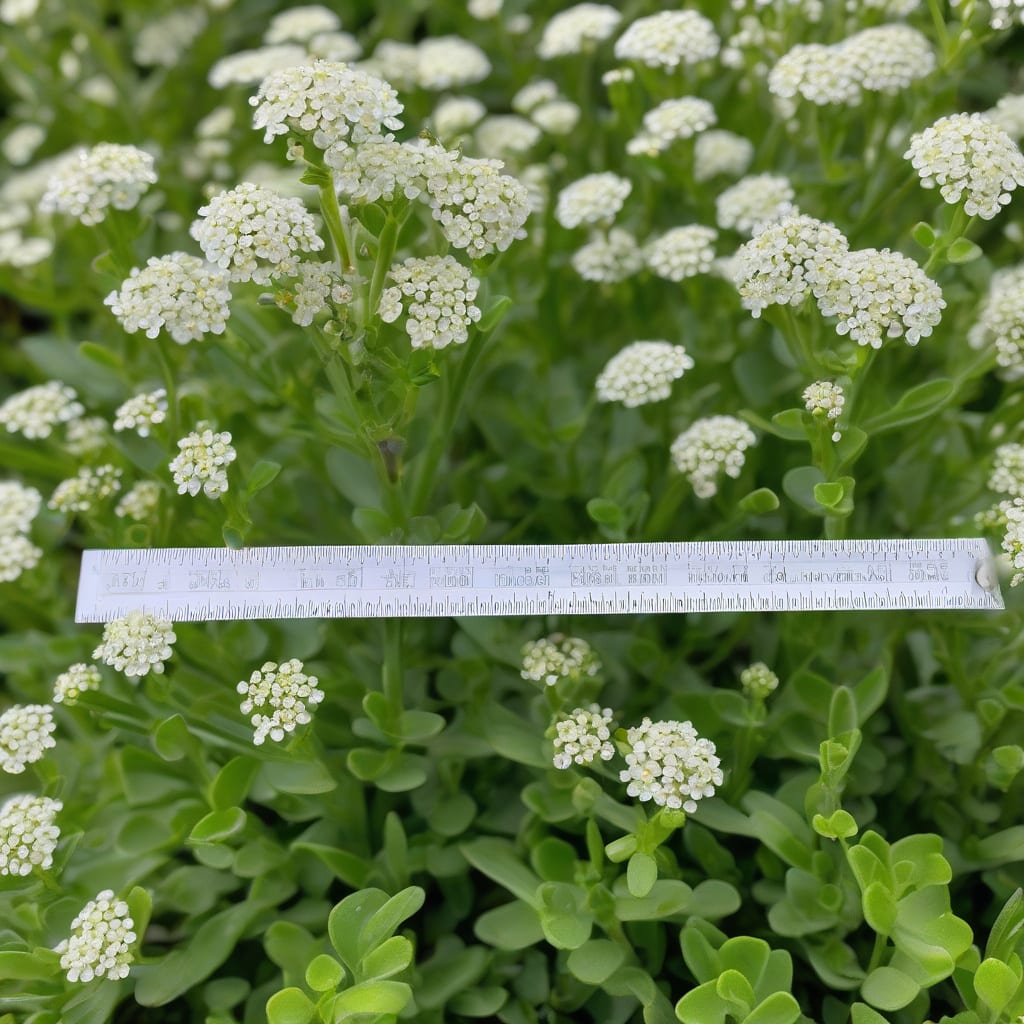
When I think about Sweet Alyssum, I picture a delicate, low-growing ground cover that adds beauty to gardens and containers. Understanding its growth habits is crucial for effective garden design. The typical height of Sweet Alyssum ranges from 6 to 12 inches, making it an excellent choice for hanging baskets, containers, or as a border plant.
| GROWTH CHARACTERISTIC |
DESCRIPTION |
| Typical Height |
6-12 inches |
| Spread |
Can spread up to 3 feet wide |
| Growth Habit |
Carpet-like, forming a dense mat |
The height of Alyssum can vary depending on growing conditions. In optimal conditions, with full sun and well-draining soil, Alyssum can reach its maximum height of up to 1 foot. However, in less ideal conditions, it may remain shorter.
One of the benefits of Alyssum’s low-growing nature is its ability to thrive in containers and hanging baskets. It’s also an excellent choice for rock gardens or as a filler plant in perennial borders.
To maintain Alyssum’s desired height, regular pruning is essential. After the first flush of flowers has faded, trimming the plants back by about one-third encourages bushier growth and prevents them from becoming leggy.
Alyssum’s fast growth rate allows it to quickly fill in spaces and create a lush, flowering display. This makes it an excellent choice for adding quick color to garden beds or containers.
In terms of care, Alyssum prefers well-draining soil and full sun to partial shade. While it can tolerate some shade, it will produce more flowers in sunnier locations.
Overall, Sweet Alyssum’s low-growing, spreading habit makes it a versatile and attractive addition to many garden designs. Its ability to form a dense mat of flowers and foliage provides a beautiful display throughout the growing season 🌼.
By understanding Alyssum’s growth habits and typical heights, gardeners can make informed decisions about how to use this charming plant effectively in their garden designs. Whether used as a ground cover, in containers, or as a filler plant, Sweet Alyssum is sure to add beauty and interest to any garden 🌺.
Factors Affecting Alyssum Plant Height
When growing Sweet Alyssum, understanding the factors that affect its height is crucial for achieving the desired garden effect. The plant’s height can be influenced by several key factors, including soil quality, sunlight exposure, and pruning practices.
Soil quality plays a significant role in determining Alyssum’s height. The plant prefers well-draining soil with a moderate level of fertility. Soil that is too rich can cause Alyssum to become leggy, while poor soil may limit its growth.
🎯 Key Takeaway
To maintain optimal height, ensure your Alyssum is planted in well-draining soil and receives appropriate sunlight. Regular pruning is also essential to encourage bushy growth.
Sunlight exposure is another critical factor. Alyssum thrives in full sun to partial shade. While it can tolerate some shade, it will produce more flowers and maintain a more compact growth habit in sunnier locations.
Pruning practices are vital for controlling Alyssum’s height and promoting a bushy, flowering habit. Regular trimming after the first flush of flowers encourages new growth and prevents the plant from becoming too leggy.
In addition to these factors, watering practices can also impact Alyssum’s height. The plant prefers consistent moisture, especially during hot weather. However, overwatering can lead to root rot and negatively affect the plant’s overall health and height.
Alyssum is generally resistant to most pests, but it can be susceptible to certain diseases if not properly cared for. Ensuring good air circulation around the plants can help prevent issues like powdery mildew, which can affect the plant’s growth and height 🌿.
By understanding and managing these factors, gardeners can effectively control the height of their Alyssum plants and create a beautiful, thriving garden display 🌺.
Regular maintenance, including pruning and monitoring soil and sunlight conditions, will help keep Alyssum at the desired height and promote healthy growth 🌱.
Using Alyssum Effectively in Garden Design
When incorporating Sweet Alyssum into garden designs, understanding its growth habits is crucial for creating beautiful and functional spaces. The plant’s low-growing, spreading nature makes it an excellent choice for various garden applications.
-
✓
Container Gardens: Alyssum’s trailing habit makes it perfect for hanging baskets and containers, adding a delicate touch to outdoor spaces 🌿.
-
✓
Rock Gardens: Its ability to thrive in poor soil and full sun makes Alyssum an excellent choice for rock gardens, where it can cascade over rocks and create a beautiful display 🌼.
-
✓
Border Plants: Use Alyssum as a filler plant in perennial borders to add quick color and texture, creating a lush, flowering carpet that complements other plants 🌺.
Alyssum’s fast growth rate allows it to quickly fill in spaces, making it an ideal choice for areas where rapid coverage is desired. Its low-growing habit also makes it suitable for planting between pavers or stepping stones, creating a beautiful, flowering pathway.
To maximize Alyssum’s potential in garden design, consider its sunlight requirements and soil preferences. Planting it in full sun to partial shade with well-draining soil will ensure optimal growth and flowering.
By incorporating Sweet Alyssum into your garden design, you can create a beautiful, low-maintenance landscape feature that adds color and texture throughout the growing season 🌸.
Whether used in containers, rock gardens, or as a filler plant, Alyssum’s versatility and charm make it a valuable addition to any garden, providing a delicate, flowering display that enhances the overall aesthetic 🌻.
★★★★★4.5(15 reviews)