
Beautiful Plants For Your Interior
Beautiful Plants For Your Interior
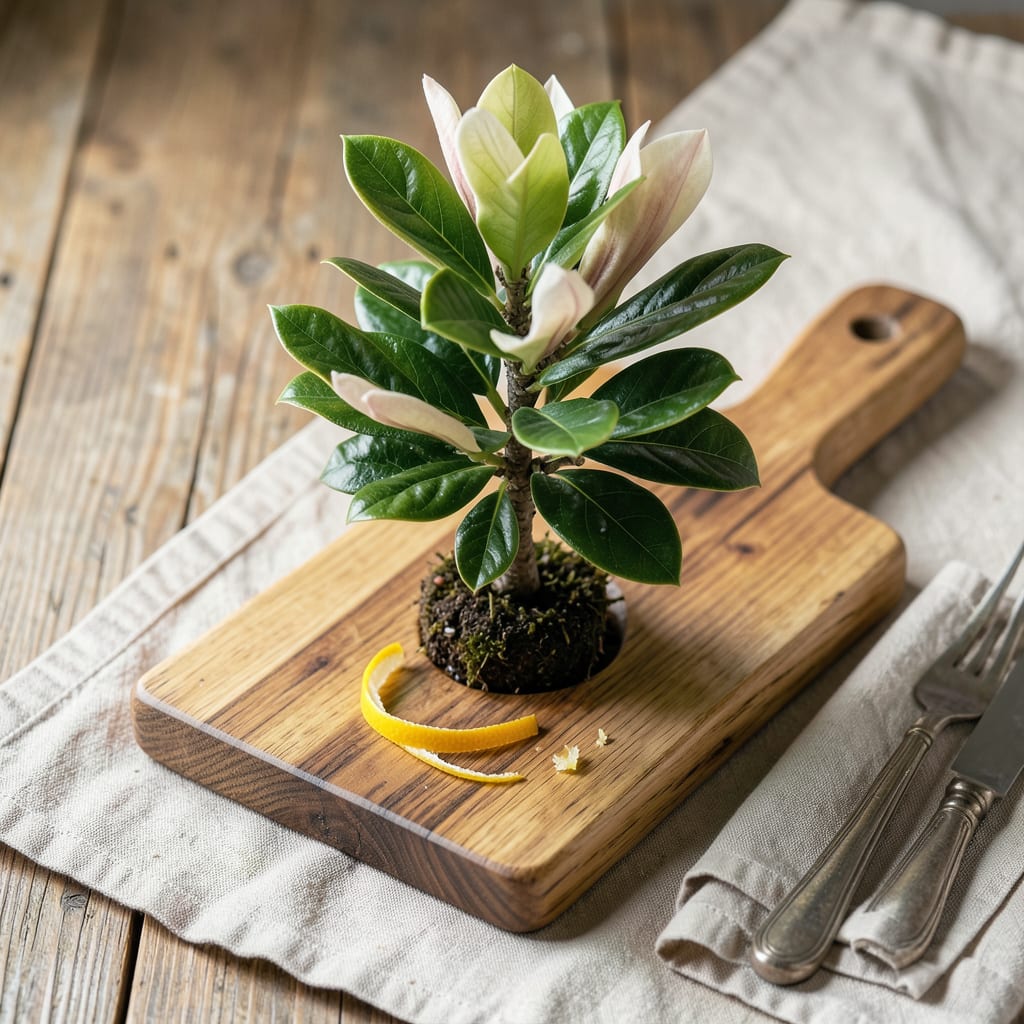
When planning your garden, understanding the growth patterns of your chosen plants is crucial. The Dwarf Magnolia Tree 🌳 is a popular choice for many gardeners due to its stunning beauty and manageable size.
These trees typically grow between 8-12 feet tall, making them perfect for smaller spaces. Factors such as soil quality, sunlight, and watering practices can influence their ultimate height, allowing you to tailor their growth to your garden’s specific needs.


Dwarf magnolia trees are known for their compact growth habit, making them an excellent choice for smaller gardens or landscapes. These trees typically grow between 8-12 feet tall, with some varieties reaching up to 20 feet under ideal conditions 🌳.
The growth rate of dwarf magnolias is generally slow to moderate, averaging about 1-2 feet per year. Factors such as soil quality, sunlight exposure, and watering practices can significantly influence their growth rate and ultimate height.
When planting dwarf magnolias, it’s essential to consider their mature size to ensure proper spacing and placement in your landscape. These trees can thrive in a variety of conditions but generally prefer well-draining soil and partial shade to full sun 🌞.
Their compact growth habit makes them ideal for use as specimen trees, hedges, or foundation plantings. Regular maintenance, including pruning and fertilization, can help promote healthy growth and maintain their desired size.
Dwarf magnolias are also known for their beautiful flowers and attractive foliage, adding aesthetic value to any garden. By understanding their growth characteristics, gardeners can make informed decisions about incorporating these trees into their landscape design.
Overall, dwarf magnolia trees offer a unique combination of beauty and manageability, making them a popular choice for gardeners looking to add a touch of elegance to their outdoor spaces.
With proper care and maintenance, dwarf magnolias can provide years of enjoyment and beauty in the garden. Their relatively small size and slow growth rate make them an ideal choice for gardeners who want to create a stunning landscape without the need for frequent pruning or maintenance 🌿.
By selecting the right variety and providing appropriate growing conditions, gardeners can enjoy the many benefits of dwarf magnolia trees, including their beautiful flowers, attractive foliage, and compact growth habit.
In conclusion, dwarf magnolia trees are a versatile and attractive addition to any garden, offering a range of benefits and opportunities for creative landscape design. Their compact growth habit and beautiful flowers make them an excellent choice for gardeners looking to add a touch of elegance to their outdoor spaces 🌸.
The height of dwarf magnolia trees can be influenced by several factors, including soil quality, sunlight exposure, watering practices, and pruning techniques. Understanding these factors is crucial for managing the growth of your dwarf magnolias effectively.
Soil quality plays a significant role in the growth of dwarf magnolias. These trees prefer well-draining, slightly acidic soil rich in organic matter. Poor soil conditions can limit their growth, while optimal soil quality can promote healthier and more vigorous development 🌿.
By understanding and managing these factors, you can optimize the growth of your dwarf magnolias and ensure they reach their full potential in your garden.
Soil quality is particularly important as it affects nutrient availability and drainage. Dwarf magnolias thrive in soil that is rich in organic matter and has good drainage. Amending the soil with compost or other organic materials can improve its quality and support healthy tree growth 🌱.
Sunlight exposure is another critical factor. While dwarf magnolias can tolerate a range of light conditions, their growth and flowering can be influenced by the amount of sunlight they receive. Most varieties prefer partial shade to full sun, but specific light requirements can vary.
Watering practices also play a crucial role. Dwarf magnolias require consistent moisture, especially during their establishment phase. However, they are sensitive to waterlogged soil, so it’s essential to maintain a balance and avoid overwatering 💧.
Pruning techniques can help manage the height and shape of dwarf magnolias. Regular pruning not only maintains the tree’s appearance but also promotes healthy growth by removing dead or diseased branches.
By carefully managing these factors, you can influence the height and overall health of your dwarf magnolias, ensuring they remain a beautiful and manageable part of your garden landscape 🌸.
When selecting a dwarf magnolia tree for your garden, it’s essential to consider the mature size of different varieties to ensure they fit your available space. Dwarf magnolias come in various cultivars, each with its own growth characteristics and landscape suitability 🌳.
Some popular varieties include ‘Little Gem’, ‘Jane’, and ‘Susan’, each offering unique features such as flower color, growth rate, and mature size. Understanding these differences helps you choose the best tree for your specific needs.
By comparing these characteristics, you can make an informed decision about which dwarf magnolia variety is best suited for your garden space. Consider factors such as available sunlight, soil conditions, and desired maintenance level when making your selection 🌞.
Choosing the right dwarf magnolia variety ensures that your tree thrives and provides the desired aesthetic appeal in your landscape. Take the time to research and compare different cultivars to find the perfect fit for your garden 🌸.
