
Beautiful Plants For Your Interior
Beautiful Plants For Your Interior
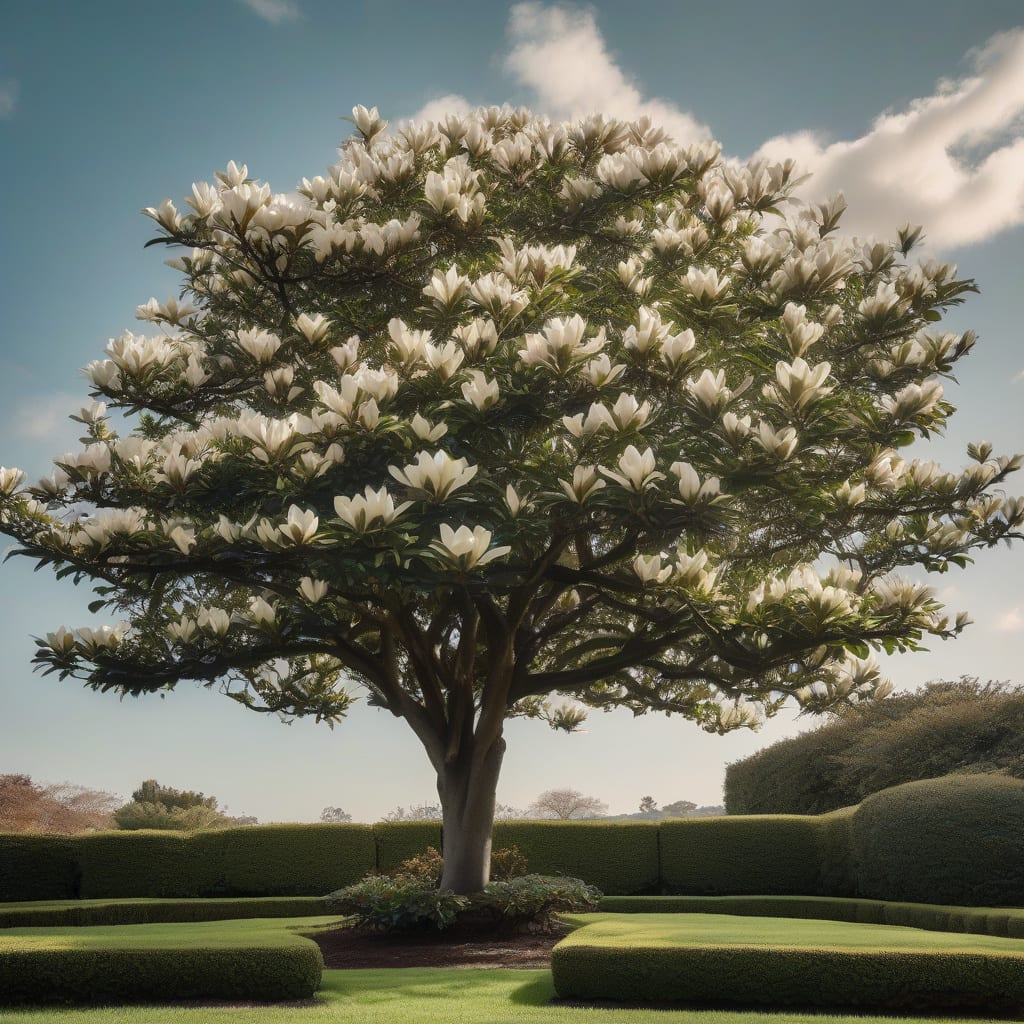
I’ve always been fascinated by the majestic 🌳 Magnolia Tree, known for its stunning flowers and impressive size. Understanding how tall these trees can grow is essential for garden planning.
Magnolia Trees can reach heights of 20 to 80 feet, depending on the variety and growing conditions in your USDA Zone 6 garden. Let’s explore the factors that influence their growth and maximum height potential.


Magnolia trees are known for their stunning flowers and impressive size, with heights varying significantly across different species. Understanding the growth potential of these trees is crucial for garden planning and maintenance.
The height of magnolia trees can range from 20 to 80 feet, depending on the specific variety and growing conditions. Some species remain relatively compact, while others can grow quite tall. Let’s explore the varying heights of different magnolia species.
The Southern Magnolia is one of the tallest varieties, reaching heights of 60 to 80 feet in ideal conditions. This evergreen magnolia is native to the southeastern United States and thrives in warm, humid climates 🌳.
In contrast, the Saucer Magnolia is a deciduous variety that typically grows to be 20 to 30 feet tall. It’s known for its large, showy flowers and is often used as an ornamental tree in gardens.
Star Magnolia is another popular variety, usually growing to be 15 to 20 feet tall. It’s a smaller, more compact tree that’s ideal for smaller gardens or landscapes.
Several factors can influence the maximum height of magnolia trees, including soil quality, climate conditions, and maintenance practices. Understanding these factors is key to managing the growth of your magnolia trees effectively.
For instance, magnolia trees prefer well-draining soil and full to partial sun. They thrive in USDA Zone 6, where they can receive the right amount of chill hours and warmth 🌟.
Regular watering and fertilization can also promote healthy growth. However, over-fertilization can lead to excessive growth, which may require more frequent pruning to maintain the desired height.
Pruning is an essential practice for managing the height of magnolia trees. It’s best to prune these trees in the late summer or early fall, after they’ve finished blooming. This helps maintain their shape and encourages healthy growth.
By understanding the growth potential of different magnolia tree varieties and the factors that influence their height, you can make informed decisions about planting and caring for these beautiful trees.
Magnolia trees not only add beauty to your garden with their stunning flowers but also provide shade and structure. With proper care, they can become a lasting and cherished part of your landscape 🌳.
In conclusion, magnolia trees offer a range of growth potentials, from compact varieties to tall, majestic trees. By selecting the right variety for your garden and providing appropriate care, you can enjoy the many benefits these trees have to offer.
I’ve found that understanding the factors that influence magnolia tree height is crucial for gardeners who want to cultivate these beautiful trees. The growth rate and maximum height of magnolia trees can vary significantly based on several key factors 🌳.
Several elements play a critical role in determining how tall magnolia trees can grow. These include soil quality, climate conditions, and maintenance practices. Let’s explore these factors in more detail.
The height of magnolia trees is influenced by a combination of soil quality, climate conditions, and maintenance practices. Understanding these factors can help gardeners make informed decisions about planting and caring for their magnolia trees.
Soil quality is one of the most important factors affecting magnolia tree growth. These trees prefer well-draining soil that is rich in organic matter. Soil that is too dense or poorly draining can limit root growth, which in turn can affect the overall height of the tree.
Climate conditions also play a significant role in determining magnolia tree height. Magnolias thrive in USDA Zone 6, where they can receive the right amount of chill hours and warmth. Extreme temperatures, either too hot or too cold, can impact growth rates and overall tree health 🌟.
Maintenance practices, such as watering and fertilization, are crucial for promoting healthy growth in magnolia trees. Regular watering ensures that the trees receive adequate moisture, especially during their first year of growth. Fertilization provides essential nutrients that support growth and development.
However, it’s essential to avoid over-fertilization, as this can lead to excessive growth that may require more frequent pruning to maintain the desired height. Pruning is a critical practice for managing magnolia tree height and should be done in the late summer or early fall, after the trees have finished blooming.
By understanding and managing these factors, gardeners can influence the growth rate and maximum height of their magnolia trees. This knowledge allows for better garden planning and ensures that these beautiful trees thrive in their environment 🌳.
In my experience, paying attention to these factors can make a significant difference in the health and growth of magnolia trees. By providing the right conditions and care, gardeners can enjoy the many benefits that these trees have to offer.
Managing the height of magnolia trees is crucial for maintaining their aesthetic appeal and ensuring they fit well within your garden landscape. Proper pruning and care techniques can help control or encourage height growth in these beautiful trees 🌳.
Pruning is an essential practice for managing magnolia tree height. It’s best to prune these trees in the late summer or early fall, after they’ve finished blooming. This timing helps maintain their shape and encourages healthy growth.
Prune magnolia trees in late summer or early fall after blooming to maintain shape and encourage healthy growth.
When pruning magnolia trees, it’s essential to remove any dead or damaged branches. This not only improves the tree’s appearance but also prevents potential health issues. Use sharp, clean pruning tools to make precise cuts and minimize damage to the tree 🌟.
In addition to pruning, proper care practices can influence the height and overall health of magnolia trees. Regular watering and fertilization are crucial for promoting healthy growth. However, avoid over-fertilization, as this can lead to excessive growth that may require more frequent pruning.
By understanding and implementing these pruning and care techniques, you can effectively manage the height of your magnolia trees and enjoy their beauty for years to come 🌳.
For more detailed information on magnolia tree care, consider exploring additional resources that provide comprehensive guides on maintaining these stunning trees.
