
Beautiful Plants For Your Interior
Beautiful Plants For Your Interior
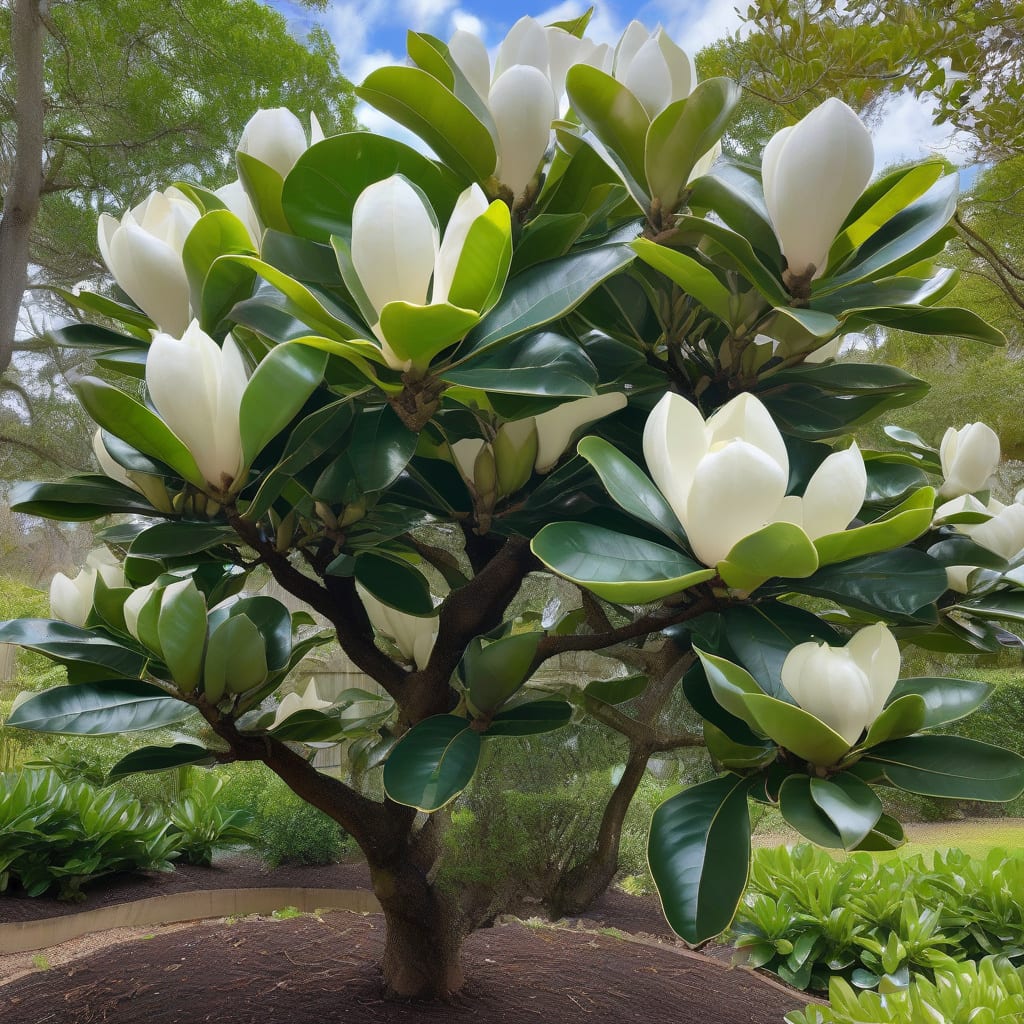
When planting a Southern Magnolia Tree 🌳 in your Southern United States garden, understanding its growth potential is crucial. These stunning evergreen trees can transform your landscape, but their mature size needs careful consideration.
I always recommend checking the specific growing conditions for your USDA Zone 7b area to ensure optimal growth. With proper care, your Southern Magnolia can reach its full height potential, creating a beautiful centerpiece for your outdoor space.


Southern magnolia trees are known for their impressive size and stature, making them a striking addition to any landscape 🌳. Understanding their growth potential is essential for proper planning and maintenance.
I always consider the mature height of these trees when planting them in gardens, as they can grow quite tall. The typical height range for southern magnolia trees is between 60 to 80 feet, with some specimens reaching even greater heights under ideal conditions.
The growth rate of southern magnolia trees is generally considered slow to medium, with an average annual growth of 1-2 feet per year. This rate is influenced by factors such as soil quality, climate conditions, and maintenance practices. In optimal conditions, with ample sunlight, acidic well-draining soil, and regular watering, these trees can achieve their full height potential.
Several factors can affect the height of southern magnolia trees, including soil conditions, climate, and maintenance practices. Understanding these factors is crucial for gardeners looking to optimize the growth of their trees. For instance, poor soil quality or inadequate watering can limit the tree’s growth potential.
To maximize the height of southern magnolia trees, gardeners should focus on providing optimal growing conditions. This includes planting in well-draining acidic soil and ensuring the tree receives adequate sunlight and water. Regular maintenance, such as pruning and fertilization, can also support healthy growth.
In addition to their impressive height, southern magnolia trees are also known for their broad spread, typically ranging from 30 to 50 feet at maturity. This wide canopy provides significant shade and can be a dominant feature in any landscape. When planting southern magnolias, it’s essential to consider their mature size to ensure they have enough space to grow without encroaching on other plants or structures.
The slow to medium growth rate of southern magnolias means that while they may take time to reach their full height, they are generally long-lived and can thrive for many decades with proper care. This longevity makes them a valuable investment for any garden or landscape.
When considering the height of southern magnolia trees, it’s also important to note that they are typically evergreen, maintaining their large, glossy leaves year-round. This characteristic, combined with their impressive size, makes them a popular choice for creating year-round interest in gardens.
Overall, southern magnolia trees can grow to be quite tall, reaching heights of 60 to 80 feet or more under the right conditions. By understanding the factors that influence their growth and providing optimal care, gardeners can enjoy these magnificent trees for many years to come 🌳.
I always recommend consulting with local gardening experts or arborists for specific advice on caring for southern magnolia trees in your area. Their expertise can help ensure that your trees thrive and reach their full potential.
In conclusion, the height of southern magnolia trees is an important consideration for gardeners and landscapers. With their potential to grow 60 to 80 feet tall, these trees can be a dramatic and beautiful addition to any outdoor space. By providing the right conditions and care, you can enjoy the many benefits of these stunning trees.
Southern magnolia trees are magnificent specimens that can grow quite tall under the right conditions 🌳. Their height is influenced by various factors that gardeners should consider to ensure optimal growth.
I always emphasize the importance of soil conditions when it comes to the growth of southern magnolia trees. These trees thrive in acidic, well-draining soil that is rich in organic matter. The ideal soil pH for southern magnolias is between 5.5 and 6.5, which is slightly acidic to acidic.
Soil quality, climate conditions, and maintenance practices all play a role in determining the height of southern magnolia trees.
Climate is another critical factor that affects the growth of southern magnolia trees. These trees prefer a subtropical to temperate climate with mild winters and hot, humid summers. They are native to the southeastern United States, where they can be found growing in the wild. In areas with harsh winters or drought, their growth may be limited.
Maintenance practices also play a significant role in the height of southern magnolia trees. Regular watering, fertilization, and pruning can help support healthy growth and maximize the tree’s height potential. I recommend watering southern magnolias regularly during their first year of growth to establish a strong root system.
In addition to these factors, sunlight exposure is also crucial for the growth of southern magnolia trees. These trees prefer full sun to partial shade, with at least 6 hours of direct sunlight per day. In shadier conditions, their growth may be slower, and they may not reach their full height potential.
To summarize, the height of southern magnolia trees is influenced by a combination of factors, including soil conditions, climate, maintenance practices, and sunlight exposure. By understanding and managing these factors, gardeners can help their southern magnolia trees reach their full height potential and thrive in their landscapes 🌟.
I always recommend monitoring the growth of your southern magnolia trees and adjusting your care practices accordingly. With proper care and attention, these trees can become a stunning feature in any garden or landscape.
By providing optimal growing conditions and regular maintenance, you can help your southern magnolia tree reach its maximum height and enjoy its beauty for years to come 🌳.
When incorporating southern magnolia trees into your landscape design, managing their size is crucial for maintaining a balanced and aesthetically pleasing outdoor space 🌳. These trees can grow quite tall, reaching heights of 60 to 80 feet, so it’s essential to consider their mature size when planning your garden.
Regular pruning can help maintain the desired height and shape of your southern magnolia tree. Prune in late winter or early spring to remove dead or damaged branches and to shape the tree as needed.
One effective way to manage the size of southern magnolia trees is through pruning. Pruning can help control the tree’s height, promote healthy growth, and enhance its overall appearance. I recommend pruning your southern magnolia tree in late winter or early spring, before new growth begins. This timing helps minimize stress on the tree and allows you to shape it as desired.
In addition to pruning, proper planting is crucial for managing the size of southern magnolia trees. When planting, choose a location that provides enough space for the tree to grow to its mature size without encroaching on other plants or structures. Consider the tree’s mature height and spread to ensure it has sufficient room to develop.
Growth management strategies can also play a role in maintaining the desired size of your southern magnolia tree. This includes monitoring the tree’s growth rate and adjusting your care practices accordingly. For instance, regular watering and fertilization can support healthy growth, while pruning can help control the tree’s size.
By combining these strategies, you can effectively manage the size of your southern magnolia tree and enjoy its beauty for years to come 🌟. I always recommend consulting with local gardening experts or arborists for specific advice on caring for southern magnolia trees in your area.
