
Beautiful Plants For Your Interior
Beautiful Plants For Your Interior
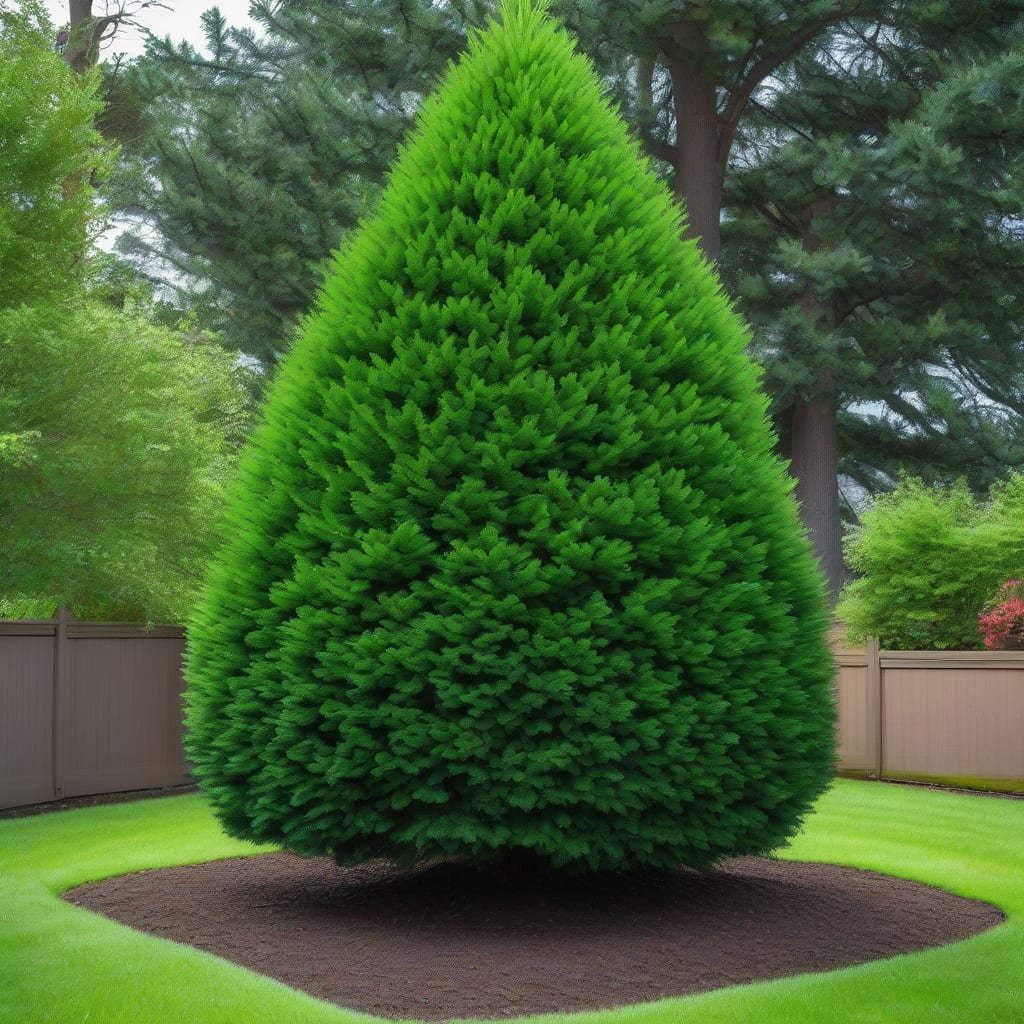
Evergreen trees 🌲 can add beauty and structure to any landscape, but their growth potential varies widely depending on the species and growing conditions. Understanding how tall they can grow is crucial for proper planning and placement.
I’ve found that factors like soil quality, climate, and maintenance practices all play a role in determining the maximum height of these trees. Let’s explore the growth habits of popular evergreen tree species and how to manage their height effectively.


Evergreen trees come in various species, each with its unique growth characteristics and maximum height potential. Understanding these differences is crucial for selecting the right tree for your landscape.
The height of evergreen trees can range from 20 to 100 feet or more, depending on the species and growing conditions. Some of the tallest evergreen species include the Coast Redwood and Douglas Fir, which can reach heights of over 100 feet in ideal conditions.
The maximum height of evergreen trees is influenced by factors such as soil quality, climate conditions, and maintenance practices. Trees growing in their native habitats with optimal conditions tend to reach their maximum potential height 🌳.
For example, Coast Redwoods thrive in the foggy, mild climate of Northern California, allowing them to achieve extraordinary heights. In contrast, trees grown in less ideal conditions may not reach their full height potential.
Understanding the growth habits of different evergreen species can help you make informed decisions when selecting trees for your landscape, ensuring they have enough space to grow and thrive.
Some evergreen trees are naturally smaller or more compact, making them suitable for smaller landscapes or urban settings. These include varieties like Dwarf Alberta Spruce and Compact Fraser Fir, which are bred to remain smaller while still providing the benefits of evergreen foliage 🌲.
When planting evergreen trees, it’s essential to consider their mature size to avoid overcrowding and ensure proper spacing. This foresight can save time and effort in the long run by reducing the need for frequent pruning or removal.
By choosing the right evergreen tree for your space and providing appropriate care, you can enjoy their beauty and benefits for years to come.
Regular maintenance, including pruning and watering, plays a crucial role in helping evergreen trees reach their full potential while maintaining a healthy and balanced landscape 🌿.
The growth height of evergreen trees is influenced by multiple factors that can either promote or limit their development. Understanding these factors is crucial for gardeners and landscapers to make informed decisions about tree selection and care.
One of the primary factors affecting evergreen tree growth is soil quality. Trees growing in well-draining, nutrient-rich soil tend to grow more vigorously and reach greater heights than those in poor soil conditions.
Soil quality, climate conditions, and maintenance practices all play significant roles in determining the maximum height potential of evergreen trees.
Climate conditions also play a significant role in evergreen tree growth. Trees native to a particular region tend to thrive and reach their maximum height potential when grown in similar climate conditions.
Maintenance practices, such as watering, fertilizing, and pruning, can also impact evergreen tree growth. Proper care can help trees reach their full potential, while neglect or improper care can limit their growth.
For example, regular watering is essential for young evergreen trees, as it helps establish a strong root system. Fertilization can also promote healthy growth, but over-fertilization can be detrimental.
Pruning is another critical maintenance practice that can influence evergreen tree height. Regular pruning can help control tree height and maintain a desired shape or size.
By understanding the factors that affect evergreen tree growth and implementing proper care and maintenance practices, gardeners and landscapers can help these trees reach their full potential and enjoy their beauty for years to come 🌳.
Evergreen trees can add significant value to a landscape, providing year-round interest and structure. By selecting the right tree for the right location and providing appropriate care, you can maximize their growth potential and enjoy their benefits for generations 🌲.
Proper pruning and care are essential for managing the height of evergreen trees and maintaining their desired shape. Regular maintenance not only keeps trees looking their best but also promotes healthy growth and prevents potential issues.
Prune evergreen trees during their dormant season to minimize stress and promote healthy regrowth in the spring.
When it comes to pruning evergreen trees, it’s crucial to understand the best practices to avoid damaging the tree. Start by removing any dead or diseased branches to prevent the spread of disease and encourage healthy growth.
For trees that require height management, consider techniques like crown reduction or thinning. Crown reduction involves cutting back the upper branches to reduce the overall height, while thinning involves selectively removing branches throughout the tree to allow more light penetration and air circulation 🌳.
Regular watering and fertilization are also vital for maintaining the health and vigor of evergreen trees. Ensure your trees receive adequate water, especially during dry spells, and fertilize them annually with a balanced, slow-release fertilizer to promote healthy growth 🌲.
By combining proper pruning techniques with regular care, you can effectively manage the height of your evergreen trees and enjoy their beauty for years to come.
