
Beautiful Plants For Your Interior
Beautiful Plants For Your Interior
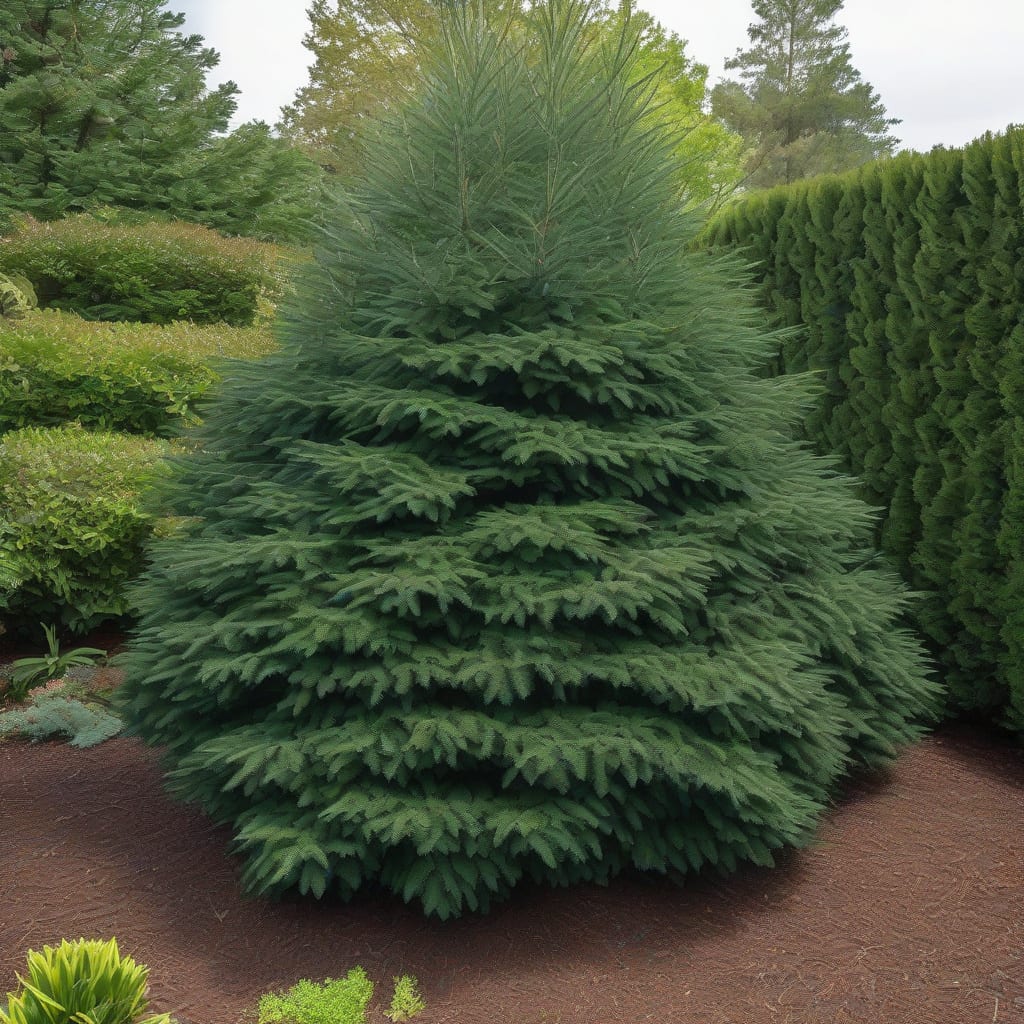
Evergreen trees 🌲 are nature’s skyscrapers, reaching astonishing heights that inspire awe in forest landscapes. Some species can grow to be over 100 feet tall, creating dramatic silhouettes against the sky.
Understanding how tall these trees can grow helps you plan your landscape or forest garden effectively. Let’s explore the factors that influence their growth and maximum heights you can expect.


Evergreen trees are known for their impressive height potential, with some species reaching over 100 feet tall. The maximum height of these trees varies significantly based on the specific species and growing conditions.
Some of the tallest evergreen tree species include the Coast Redwood, which can grow up to 380 feet, and the Douglas Fir, which can reach heights of over 100 feet. Other popular species like the Blue Spruce and White Pine typically grow to be between 50-100 feet tall 🌲.
The height of evergreen trees is influenced by several factors, including climate, soil quality, and genetics. Trees growing in optimal conditions with ample moisture and nutrients tend to reach their maximum potential height.
For example, Coast Redwoods thrive in the foggy, mild climate of Northern California, allowing them to achieve their remarkable heights. In contrast, trees growing in harsher conditions or less ideal environments may not reach their full height potential.
Understanding these factors is crucial for landscapers and gardeners who want to cultivate healthy, thriving evergreen trees. By selecting the right species for their environment and providing optimal care, they can help their trees reach their maximum height.
Some evergreen tree species are naturally more compact or dwarf varieties, which are ideal for smaller landscapes or gardens. These trees can still provide the beauty and benefits of evergreens without overwhelming the space.
When planting evergreen trees, it’s essential to consider their mature size and growth habits to ensure they have enough space to develop fully. Proper spacing and care can help prevent issues like overcrowding and disease.
Evergreen trees not only add visual interest and structure to landscapes but also provide year-round greenery and habitat for wildlife. Their height and density can create natural privacy screens and windbreaks.
In conclusion, evergreen trees can grow to varying heights depending on their species and growing conditions. By understanding these factors and selecting the right trees for their environment, landscapers and gardeners can cultivate thriving, beautiful evergreen trees that enhance their outdoor spaces 🌿.
For more information on caring for evergreen trees and maximizing their growth potential, consider consulting with a local horticulturist or arborist who can provide tailored advice based on your specific climate and soil conditions.
By choosing the right evergreen tree species and providing proper care, you can enjoy the many benefits these trees offer for years to come, from their aesthetic appeal to their ecological value.
Evergreen trees are known for their impressive height potential, but several factors influence how tall they can actually grow. Understanding these factors is crucial for gardeners and landscapers who want to cultivate healthy, thriving trees 🌲.
The height of evergreen trees is influenced by a combination of genetic, environmental, and maintenance factors. Genetics play a significant role in determining the maximum height a tree can achieve, with different species having varying growth potentials.
Temperature, rainfall, and sunlight exposure significantly impact tree growth. Evergreen trees generally thrive in cool, moist climates with adequate rainfall.
Soil composition, drainage, and nutrient availability affect root development and overall tree health. Well-draining, nutrient-rich soils support better growth.
Consistent moisture, especially during the early stages of growth, is crucial for establishing a strong root system and supporting vertical growth.
Proper maintenance practices, such as pruning and fertilization, can also impact the height and overall health of evergreen trees. Pruning helps maintain the tree’s shape and promotes healthy growth, while fertilization provides essential nutrients.
By understanding and managing these factors, gardeners and landscapers can help their evergreen trees reach their full height potential. Whether you’re planting new trees or caring for existing ones, considering these influences will contribute to a thriving landscape 🌿.
For more detailed guidance on caring for evergreen trees, including specific pruning and fertilization techniques, consult with a local horticulturist or arborist who can provide tailored advice based on your specific climate and soil conditions.
Evergreen trees not only enhance the aesthetic appeal of landscapes but also provide ecological benefits, such as habitat for wildlife and soil stabilization. Their height and density can create natural privacy screens and windbreaks, making them valuable components of any garden or landscape 🌲.
In conclusion, the height of evergreen trees is influenced by a complex interplay of genetic, environmental, and maintenance factors. By understanding and managing these factors, you can cultivate healthy, thriving evergreen trees that reach their full height potential and enhance your outdoor spaces.
Managing the height of evergreen trees is crucial for maintaining a balanced and aesthetically pleasing landscape. Proper management ensures that these trees do not outgrow their intended space, which can lead to maintenance issues and potential hazards 🌲.
One effective way to manage evergreen tree height is through regular pruning. Pruning helps control the tree’s size, promotes healthy growth, and maintains its desired shape. It’s essential to prune evergreen trees during their dormant season to minimize stress and encourage vigorous growth in the following growing season.
When pruning evergreen trees, remove any dead or damaged branches first. Then, thin out the interior to allow more light to penetrate and reduce density. This helps maintain the tree’s natural shape while controlling its height.
Another strategy for managing evergreen tree height is selecting dwarf or compact varieties. These trees are bred to remain smaller than their standard counterparts, making them ideal for smaller landscapes or gardens where space is limited.
When planting evergreen trees, it’s also important to consider their mature size and growth habits. Proper spacing between trees can prevent overcrowding and reduce the need for frequent pruning. Additionally, choosing trees that are well-suited to your specific climate and soil conditions will help them thrive and reach their full potential height in a healthy manner 🌿.
By combining these strategies—regular pruning, selecting appropriate varieties, and thoughtful planting—you can effectively manage the height of your evergreen trees. This not only enhances the beauty of your landscape but also ensures the long-term health and sustainability of your trees.
