
Beautiful Plants For Your Interior
Beautiful Plants For Your Interior
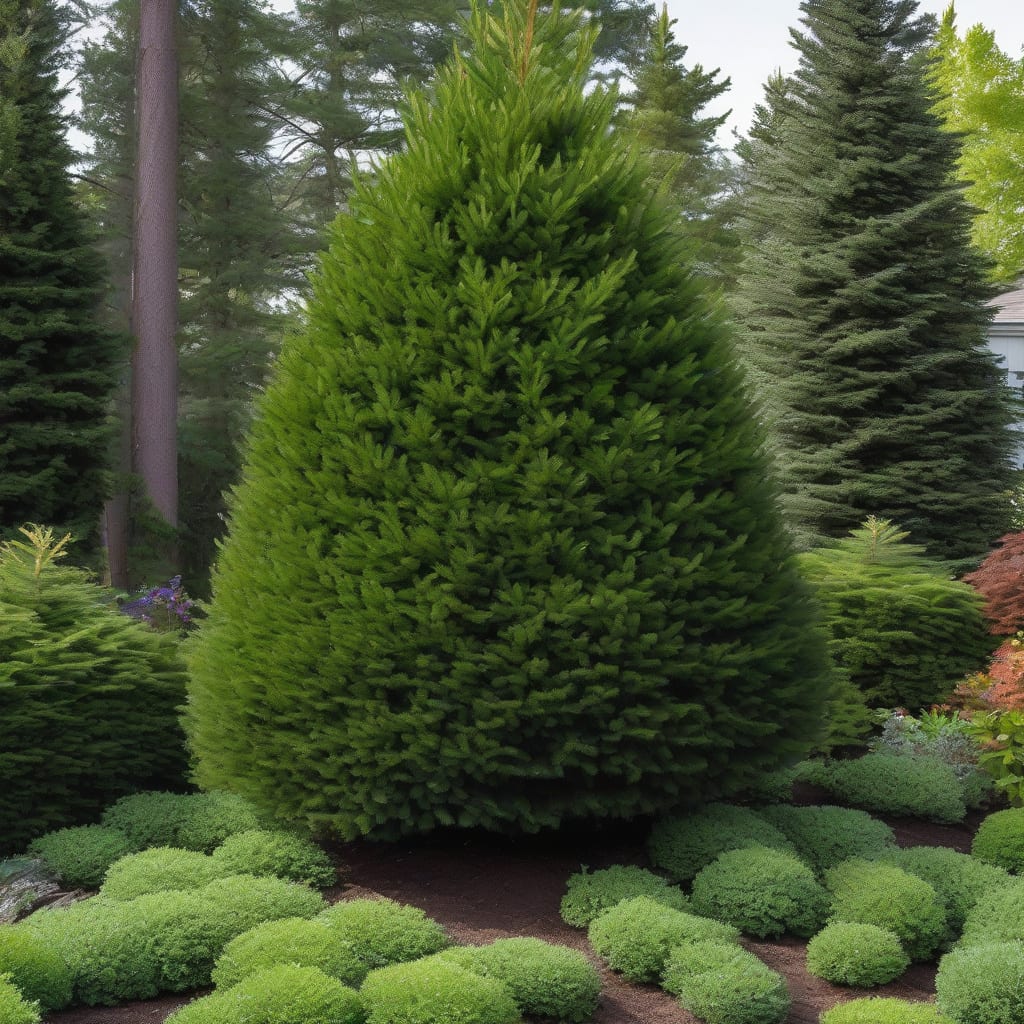
I’ve always been fascinated by Spruce Trees 🌲, particularly their impressive height potential. Growing in USDA Zone 6, these evergreens can reach remarkable heights, but their growth depends on various factors.
Let’s explore how tall Spruce Trees can actually grow and what influences their maximum height, from soil quality to climate conditions.
I’ve found that Spruce Trees can grow to varying heights depending on their species. Some species are naturally taller than others, and understanding these differences is crucial for landscaping and gardening.
The maximum height of Spruce Trees ranges from 40 feet to over 80 feet, with some species exhibiting more impressive growth than others. Let’s examine the height potential of popular Spruce Tree species.
The White Spruce is one of the most common species, known for its symmetrical shape and ability to grow up to 80 feet tall. In contrast, the Black Spruce typically reaches 30-60 feet, making it a more compact option for smaller landscapes 🌲.
Norway Spruce is another popular variety that can grow quite tall, often reaching heights of 60-100 feet. This makes it an excellent choice for creating a dramatic landscape feature or providing a tall evergreen screen.
The height potential of Spruce Trees is influenced by factors such as soil quality, climate conditions, and available space. Understanding these factors is essential for maximizing the growth potential of your Spruce Trees.
In general, Spruce Trees prefer well-draining soil and full sun to partial shade. They are relatively adaptable to different soil types, but their growth rate can be affected by nutrient availability and moisture levels.
When selecting a Spruce Tree for your landscape, consider the mature height of the species and ensure you have enough space for it to grow. Regular pruning can also help maintain a desired height and shape.
By understanding the growth habits of different Spruce Tree species and providing optimal growing conditions, you can enjoy these beautiful evergreens for years to come.
Spruce Trees are not only valued for their height, but also for their dense foliage and evergreen color, making them a popular choice for landscaping and wildlife habitats.
In summary, the height potential of Spruce Trees varies significantly between species, ranging from 40 feet to over 100 feet. By choosing the right species for your landscape and providing proper care, you can enjoy the beauty and benefits of these impressive evergreens 🌲.
I’ve found that several key factors influence the growth height of Spruce Trees. Understanding these elements is crucial for gardeners and landscapers who want to optimize the development of these trees 🌲.
The soil quality plays a significant role in determining the height of Spruce Trees. These trees thrive in well-draining soil that is rich in nutrients. Poor soil conditions can limit the growth potential of Spruce Trees, making it essential to assess and amend the soil as necessary.
Soil quality, climate conditions, and available space are critical factors that influence the growth height of Spruce Trees. Optimizing these factors can help achieve maximum height potential.
Climate conditions are another crucial factor affecting Spruce Tree height. These trees generally prefer cooler climates with adequate moisture. Extreme weather conditions, such as prolonged drought or intense heat, can stress the trees and limit their growth.
The available space around a Spruce Tree also impacts its growth height. Trees that have enough room to grow without competition from nearby plants or structures tend to reach their full height potential more effectively.
In addition to these factors, pruning practices can significantly influence the height of Spruce Trees. Regular pruning can help control the height and shape of the tree, making it a valuable technique for landscaping purposes.
By understanding and managing these factors, gardeners and landscapers can optimize the growth of Spruce Trees and achieve the desired height for their landscapes 🌲.
It’s also worth noting that different Spruce Tree species may respond differently to these factors. For example, some species may be more tolerant of poor soil conditions or extreme weather.
In summary, the growth height of Spruce Trees is influenced by a combination of soil quality, climate conditions, available space, and pruning practices. By considering these factors, you can help your Spruce Trees reach their full potential.
I understand that managing the height of Spruce Trees is crucial for landscaping purposes, as it allows you to maintain a desired shape and size 🌲.
To control the height of Spruce Trees, it’s essential to consider factors such as pruning practices, planting location, and species selection. By understanding these elements, you can effectively manage the height of your Spruce Trees.
Prune your Spruce Tree annually to maintain its shape and control its height. Remove any dead or damaged branches to promote healthy growth.
Select a Spruce Tree species that is naturally more compact or has a slower growth rate. This can help reduce the need for frequent pruning.
Ensure you have enough space for your Spruce Tree to grow without competing with nearby plants or structures. Consider the mature height of the tree when selecting a planting location.
By implementing these strategies, you can effectively manage the height of your Spruce Trees and achieve your landscaping goals 🌲.
Regular maintenance, including pruning and monitoring, is key to maintaining a healthy and well-shaped Spruce Tree. By understanding the growth habits of your tree and taking proactive steps, you can enjoy the beauty and benefits of your Spruce Tree for years to come.
In summary, managing Spruce Tree height requires careful consideration of pruning practices, species selection, and planting location. By following these tips, you can maintain a beautiful and healthy Spruce Tree that enhances your landscape.

