
Beautiful Plants For Your Interior
Beautiful Plants For Your Interior
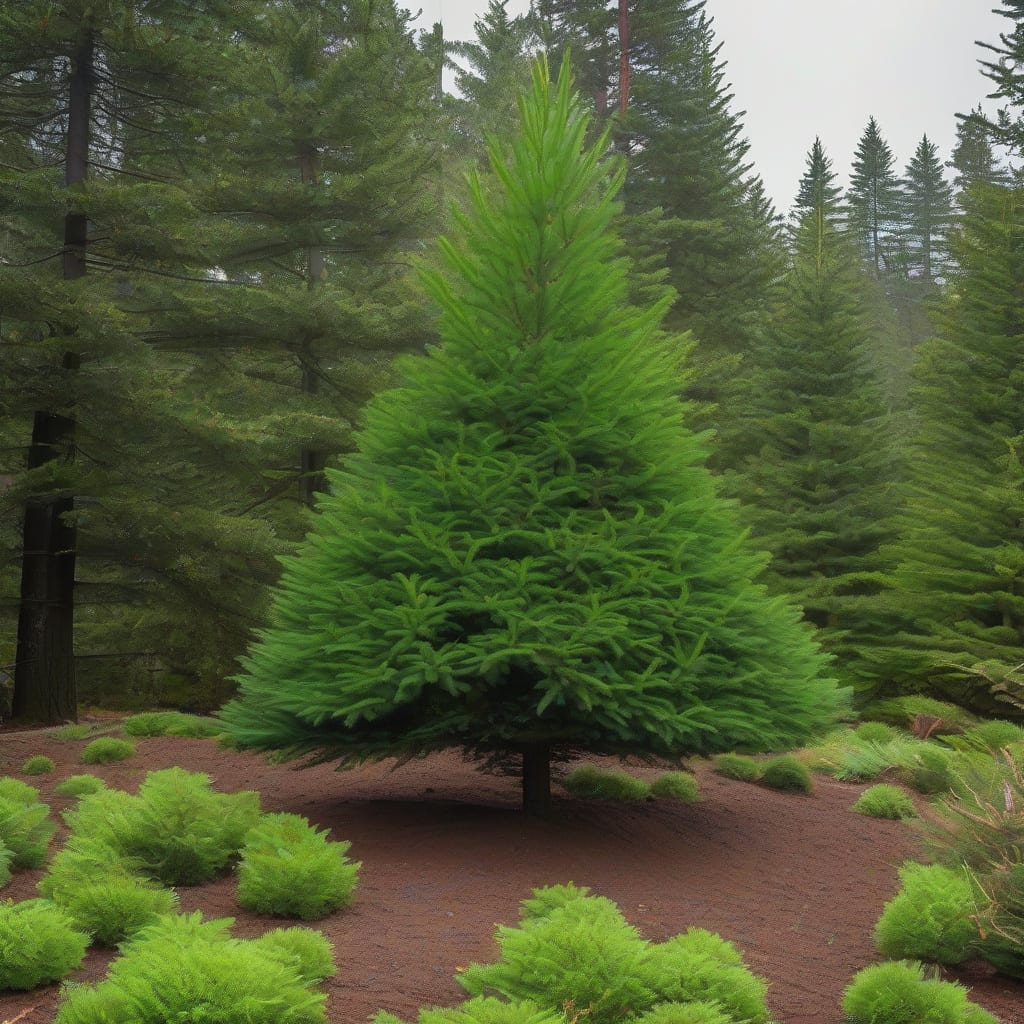
I’ve always been fascinated by the majestic Douglas Fir Tree 🌲, known for its impressive height. These trees can become a stunning centerpiece in any landscape, but understanding their growth potential is crucial for proper planning.
Let’s explore how tall Douglas Fir Trees can actually grow and what factors influence their maximum height in different environments, particularly in USDA Zone 6 where they thrive.


I’ve always been fascinated by the impressive height of Douglas Fir Trees 🌲. These trees can grow to be truly massive, with some specimens reaching heights of over 100 feet in ideal conditions.
The maximum height potential of Douglas Fir Trees is influenced by a combination of genetic and environmental factors, including climate, soil quality, and available moisture. Understanding these factors is crucial for managing expectations and creating optimal growing conditions.
The maximum height potential of Douglas Fir Trees is remarkable, making them one of the tallest tree species in North America. In optimal conditions, with ample moisture and well-draining soil, these trees can achieve heights that surpass most other evergreen species 🌳.
Several factors contribute to the impressive height of Douglas Fir Trees, including their genetic predisposition to grow tall and their ability to adapt to various environmental conditions. The coastal variety of Douglas Fir is particularly known for its exceptional height, often reaching heights of over 100 feet.
To achieve their maximum height potential, Douglas Fir Trees require specific growing conditions. These include mild temperatures, adequate rainfall, and protection from extreme weather events. In USDA Zone 6, where these trees can thrive, careful planning and maintenance are essential for maximizing their growth potential 🌲.
Understanding the factors that influence height growth is crucial for both commercial forestry and landscape design. By recognizing the importance of genetics, climate, and environmental conditions, growers and land managers can make informed decisions about planting and caring for Douglas Fir Trees.
The coastal variety of Douglas Fir is particularly notable for its height, with some trees reaching heights of over 200 feet in their natural habitat. While this extreme height is less common in cultivated settings, it demonstrates the remarkable growth potential of these trees.
In addition to their impressive height, Douglas Fir Trees are also valued for their timber quality and ecological importance. They provide habitat for numerous wildlife species and contribute to the structural diversity of forest ecosystems.
For those interested in cultivating Douglas Fir Trees, understanding their maximum height potential is just the beginning. It’s also important to consider factors such as soil quality, moisture levels, and pruning practices to ensure healthy growth and maximize their height potential.
By providing the right conditions and care, growers can help Douglas Fir Trees achieve their full height potential, creating a lasting legacy in the landscape 🌳.
I’ve found that understanding the factors that affect Douglas Fir Tree height growth is crucial for successful cultivation 🌲. The height of these trees is influenced by a combination of environmental and genetic factors.
The soil quality plays a significant role in determining the height growth of Douglas Fir Trees. Trees growing in well-draining, nutrient-rich soil tend to grow taller than those in poor soil conditions.
Optimal soil conditions, adequate moisture, and suitable climate are essential for maximizing Douglas Fir Tree height growth.
Moisture levels are another critical factor affecting Douglas Fir Tree height growth. Consistent moisture, particularly during the early stages of growth, is vital for promoting healthy development.
The climate also plays a significant role in determining the height growth of Douglas Fir Trees. Trees growing in mild, temperate climates with adequate rainfall tend to grow taller than those in harsher conditions.
In addition to these factors, genetic predisposition also influences the height growth of Douglas Fir Trees. Some varieties are naturally more inclined to grow taller than others.
Understanding these factors is essential for growers and land managers to make informed decisions about planting and caring for Douglas Fir Trees 🌳.
By providing optimal growing conditions and care, growers can help Douglas Fir Trees achieve their full height potential, creating a lasting legacy in the landscape.
The coastal variety of Douglas Fir is particularly notable for its height growth, with some trees reaching heights of over 100 feet in ideal conditions.
In USDA Zone 6, where Douglas Fir Trees can thrive, careful planning and maintenance are essential for maximizing their height growth potential 🌲.
When considering Douglas Fir trees for landscaping or forestry purposes, it’s helpful to compare their height to other common evergreen species 🌲. Understanding how they stack up can inform decisions about tree selection and placement.
Douglas Fir trees are known for their impressive height, often surpassing many other evergreen species. For example, while Blue Spruce trees typically reach heights of 40-60 feet, Douglas Firs can grow to be 70-100 feet tall.
The growth rate of Douglas Fir trees is another factor that sets them apart from other evergreens. With a growth rate of 2-4 feet per year under optimal conditions, they can quickly establish themselves as a dominant feature in the landscape 🌳.
In comparison to other evergreen species, Douglas Fir trees offer a unique combination of height and growth rate, making them an attractive choice for many landscaping and forestry applications.
By understanding how Douglas Fir trees compare to other evergreens in terms of height and growth rate, land managers and growers can make more informed decisions about tree selection and care 🌲.
Whether you’re looking to create a dense forest or simply want to add some tall trees to your landscape, Douglas Fir trees are certainly worth considering for their impressive height and rapid growth 🌲.
