
Beautiful Plants For Your Interior
Beautiful Plants For Your Interior
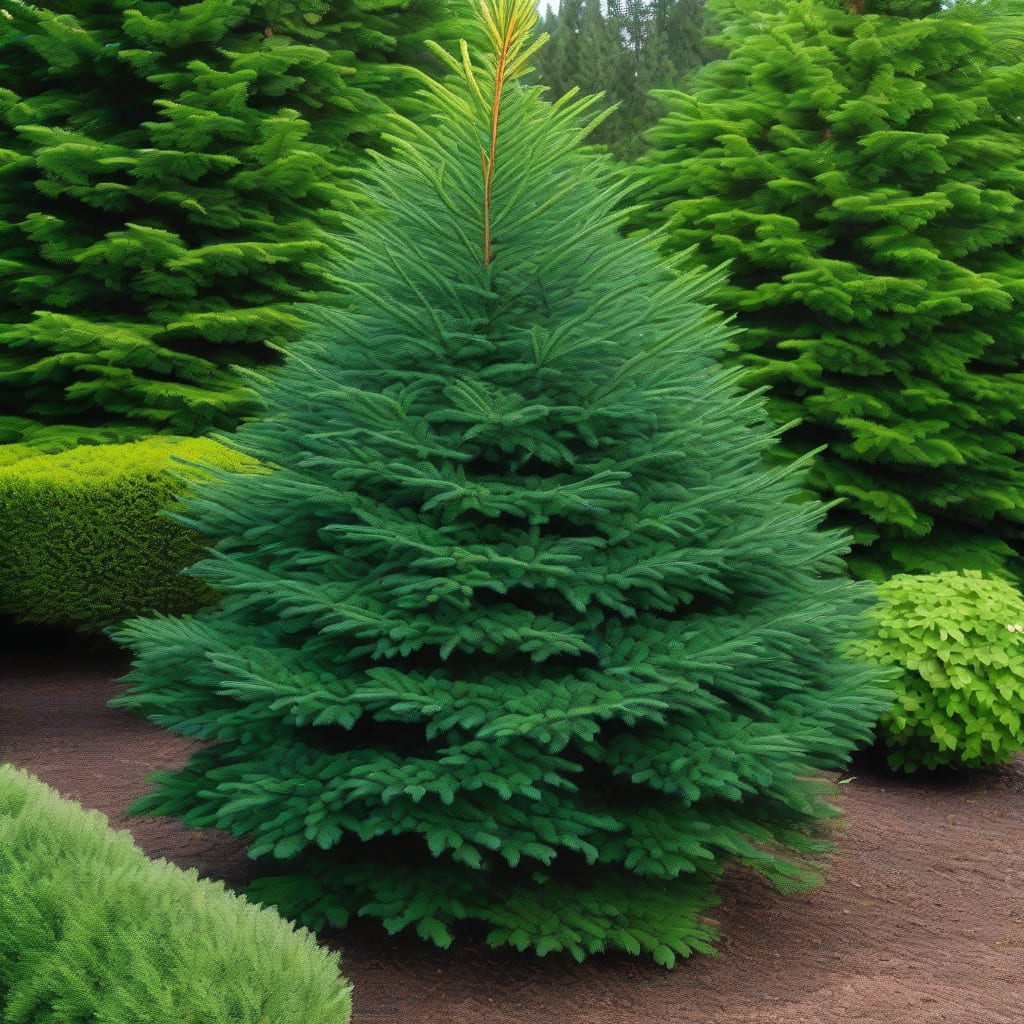
Fir trees 🌲 are majestic evergreens that can grow to impressive heights, but their growth potential varies greatly depending on the species and environmental conditions. In USDA Zone 6, these trees can thrive with proper care.
Understanding how tall fir trees can grow is crucial for landscape planning and forest management. Let’s explore the maximum heights of different fir tree species and the factors that influence their growth.

Fir trees are known for their impressive height potential, with different species reaching varying maximum heights. Understanding these differences is crucial for selecting the right tree for your landscape or forest management needs 🌲.
The height potential of fir trees can range from 40 feet to over 100 feet, depending on the species and growing conditions. Let’s explore some popular fir species and their maximum heights.
The maximum height of fir trees is influenced by factors such as genetics, climate, and soil conditions. For example, Douglas fir trees are known to reach heights of 100-120 feet in ideal conditions, while Fraser fir trees typically top out at 60-80 feet.
Understanding the maximum height potential of different fir species is essential for making informed decisions about tree planting and forest management. By selecting the right species for your needs, you can ensure a healthy and thriving forest ecosystem 🌳.
In addition to their maximum height, fir trees also vary in terms of their growth rate, with some species growing more quickly than others. For example, Noble fir trees can grow 1-2 feet per year in ideal conditions, while Balsam fir trees tend to grow more slowly.
By considering both the maximum height and growth rate of fir trees, you can make informed decisions about tree selection and management. Whether you’re looking to create a dense forest or a sparse landscape, understanding the growth habits of fir trees is essential 🌲.
Fir trees are a popular choice for landscaping and forestry due to their evergreen foliage and timber value. By understanding the factors that influence their height growth, you can optimize their growth and maximize their benefits.
In the next section, we’ll explore the factors that affect fir tree height growth and how to manage them for optimal results.
By understanding the growth habits of fir trees, you can make informed decisions about tree care and management. This includes pruning, fertilization, and pest management 🌳.
Fir trees are an important part of many ecosystems, providing habitat for wildlife and recreational opportunities for humans. By understanding their growth habits, you can help to conserve and protect these valuable resources.
Fir trees are influenced by various factors that affect their height growth. Understanding these factors is crucial for optimizing tree development 🌳.
Several key elements impact how tall fir trees can grow. These include climate conditions, soil quality, and available sunlight. Let’s explore these factors in more detail.
By understanding and managing these factors, you can create optimal conditions for fir tree growth. This includes selecting the right planting location and providing appropriate care 🌲.
Proper care and management can significantly impact fir tree height growth. Regular pruning and fertilization can help promote healthy development.
Fir trees are sensitive to environmental stressors such as drought and extreme temperatures. Mitigating these stressors can help support tree health and growth.
In conclusion, understanding the factors that affect fir tree height growth is essential for optimizing tree development. By providing optimal conditions and proper care, you can help your fir trees reach their full potential 🌳.
Measuring and managing fir tree heights is crucial for maintaining healthy trees and achieving your landscape or forestry goals 🌳.
Accurate measurement of fir tree height is essential for monitoring growth and making informed management decisions. Let’s explore practical methods for measuring and managing fir tree heights.
Use a clinometer or measuring tape to measure tree height accurately. For taller trees, consider using a laser rangefinder for precise measurements.
Managing fir tree heights involves regular pruning and maintenance. Prune trees to maintain shape and promote healthy growth. Remove dead or damaged branches to prevent disease and pest infestations 🌲.
Fir trees require regular maintenance to ensure optimal growth. This includes fertilization, pest management, and disease control. By providing proper care, you can help your fir trees reach their full potential.
By understanding how to measure and manage fir tree heights, you can make informed decisions about tree care and maintenance. This knowledge is essential for achieving your landscape or forestry goals 🌳.
