
Beautiful Plants For Your Interior
Beautiful Plants For Your Interior
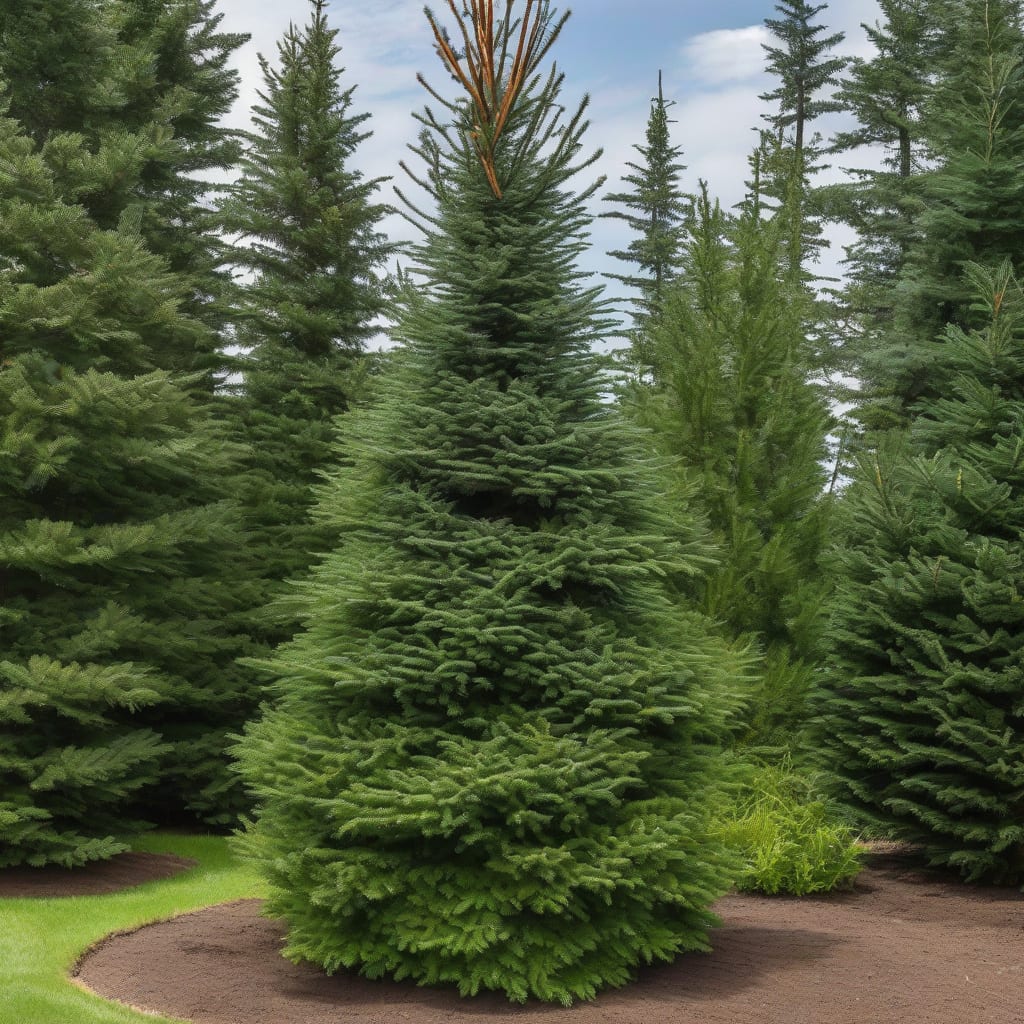
I’ve always been fascinated by the majestic White Spruce Tree 🌲, known for its impressive height and versatility in landscaping. Growing in USDA zones 3-6, these trees can thrive in various conditions.
Understanding how tall they can grow is crucial for planning your landscape or reforestation project. Let’s explore the growth potential of these magnificent trees and what you can expect from them.


White spruce trees are known for their impressive height, typically growing between 60-80 feet tall in ideal conditions. The maximum height potential of these trees is influenced by various factors, including genetic predisposition, growing conditions, and environmental limitations 🌲.
To understand the growth potential of white spruce trees, let’s examine the key factors that affect their height. The USDA hardiness zones play a crucial role, with white spruce trees thriving in zones 3-6. Soil quality, sunlight exposure, and watering conditions also significantly impact their growth.
The height of white spruce trees is also influenced by their growth rate, which averages 1-2 feet per year. The trees’ ability to adapt to different soil types and resist harsh weather conditions contributes to their impressive height potential.
When planning your landscape or reforestation project, it’s essential to consider the mature size of white spruce trees. With proper care and ideal growing conditions, these trees can reach their maximum height potential, providing a stunning canopy and habitat for various wildlife 🌿.
Here are some key height characteristics to keep in mind:
– Maximum height: up to 80 feet
– Average mature height: 60-80 feet
– Growth rate: 1-2 feet per year
– Ideal growing conditions: USDA zones 3-6
– Soil requirements: well-draining soil 🌟.
Understanding these factors will help you make informed decisions about planting and caring for white spruce trees, ensuring they reach their full height potential and thrive in your landscape.
White spruce trees are not only valued for their height but also for their ecological benefits. They provide shelter, food, and habitat for various wildlife species, making them an excellent choice for reforestation projects and wildlife conservation efforts 🐦.
By considering the factors that influence the height of white spruce trees, you can create a thriving landscape that benefits both you and the environment. Whether you’re a seasoned gardener or just starting out, white spruce trees are an excellent addition to any landscape, offering beauty, shade, and ecological value 🌳.
White spruce trees exhibit a moderate growth rate, typically increasing in height by 1-2 feet per year. This growth pattern is influenced by various factors, including soil quality, sunlight exposure, and watering conditions 🌲.
To understand the height development of white spruce trees, let’s examine their annual growth patterns. In their early years, white spruce trees tend to grow more slowly, with their growth rate accelerating as they mature 🌱.
During the initial years, white spruce trees focus on developing their root system and establishing a strong foundation. Growth is typically slower during this period, with an average annual increase of 6-12 inches.
As white spruce trees mature, their growth rate accelerates, with an average annual increase of 1-2 feet. During this period, the trees continue to develop their canopy and root system, preparing for maximum height potential.
Once white spruce trees reach maturity, their growth rate slows down, but they continue to maintain their height and canopy. At this stage, the trees have reached their maximum height potential, typically between 60-80 feet 🌳.
By understanding the growth rate and height development patterns of white spruce trees, you can better plan and manage your landscape or reforestation project. Proper care and maintenance during the early stages of growth can significantly impact the tree’s ability to reach its maximum height potential 🌟.
Factors such as soil quality, sunlight exposure, and watering conditions play a crucial role in determining the growth rate and height development of white spruce trees. Ensuring optimal growing conditions can help promote healthy growth and maximize the tree’s height potential 🌱.
White spruce trees are known for their resilience and adaptability, allowing them to thrive in a variety of environments. By understanding their growth patterns and providing proper care, you can enjoy the many benefits these trees have to offer, from shade and beauty to wildlife habitat and ecological value 🌲.
In conclusion, white spruce trees exhibit a moderate growth rate, with their height development influenced by various factors. By providing optimal growing conditions and proper care, you can help these trees reach their maximum height potential and enjoy their many benefits for years to come 🌳.
When incorporating white spruce trees into your landscaping, managing their height is crucial for maintaining the desired aesthetic and ensuring the tree’s health. White spruce trees can grow quite tall, reaching heights of 60-80 feet in ideal conditions 🌳.
To effectively manage the height of your white spruce trees, it’s essential to understand the importance of pruning techniques and growth management strategies. Regular pruning helps maintain the tree’s shape, promotes healthy growth, and prevents potential issues that may arise from excessive height 🌲.
Prune your white spruce trees annually to maintain their shape and promote healthy growth. Focus on removing dead or damaged branches, and thin out the canopy to allow for proper air circulation 🌟.
Effective pruning techniques for white spruce trees include thinning and reduction. Thinning involves selectively removing branches to allow more sunlight to penetrate the canopy, while reduction involves cutting back branches to a lateral bud or a lateral branch 🌿.
When pruning your white spruce trees, it’s essential to use the right tools and techniques to avoid damaging the tree. Make clean cuts just outside the branch collar, and avoid tearing the bark 🌲.
By implementing proper pruning techniques and growth management strategies, you can maintain the desired height and shape of your white spruce trees, ensuring they remain a beautiful and healthy addition to your landscape 🌳.
Regular maintenance, including annual inspections and pruning as needed, will help you keep your white spruce trees under control and promote overall health 🌟.
