
Beautiful Plants For Your Interior
Beautiful Plants For Your Interior
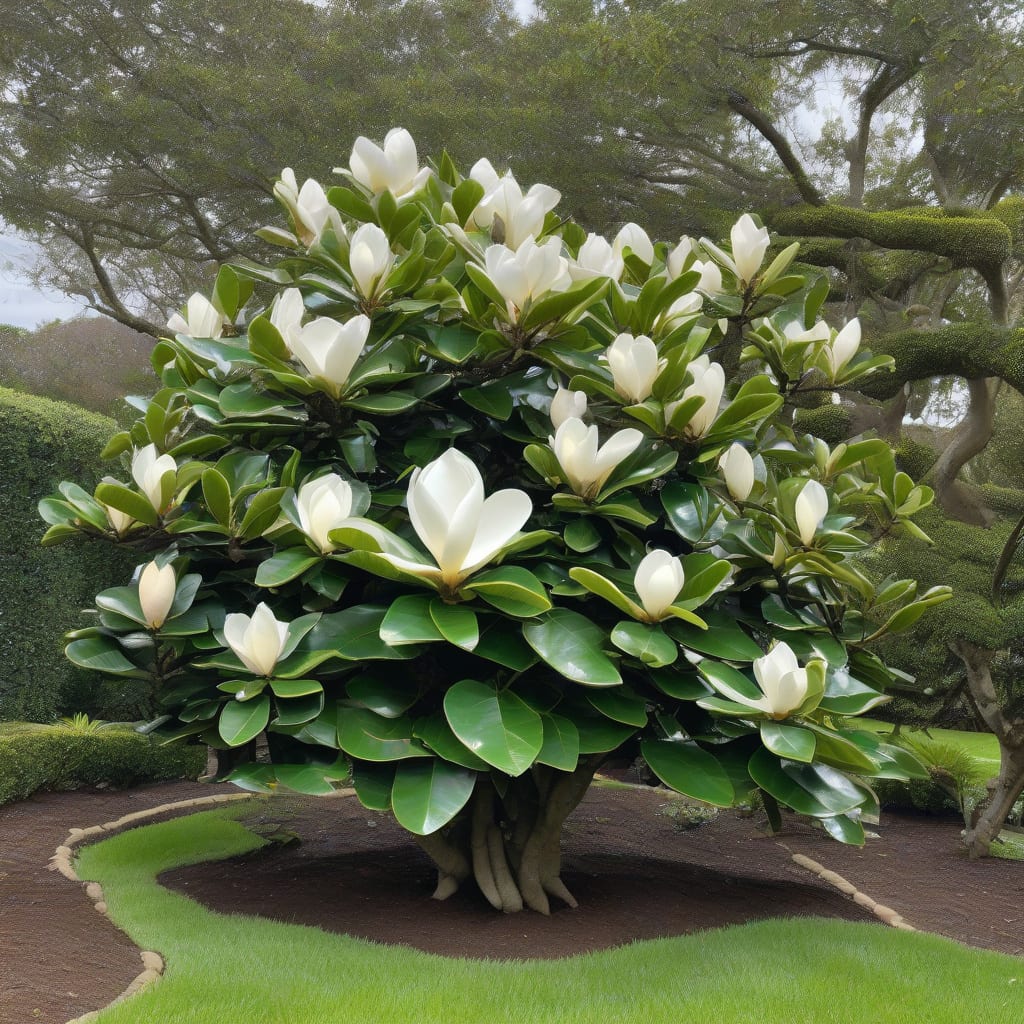
I’ve always been fascinated by the majestic Magnolia Tree 🌳, with its stunning flowers and impressive size. Understanding how tall these trees can grow is crucial for garden planning.
Let’s explore the growth potential of Magnolia Trees, including the factors that influence their height and tips for maintaining a healthy tree in your garden.


Understanding the factors that influence the height of Magnolia Trees is crucial for garden planning and maintenance. The growth potential of these magnificent trees can be affected by various environmental and care-related factors 🌳.
Let’s explore the key elements that determine how tall your Magnolia Tree can grow and how to optimize these factors for healthy development.
The climate plays a significant role in determining the maximum height of Magnolia Trees. These trees generally thrive in USDA Zones 6-9, where they can grow to their full potential without being limited by harsh winters or extreme heat 🌟.
Soil quality is another critical factor. Magnolia Trees prefer well-draining, fertile soil with a slightly acidic pH. Soil that is too dense or poorly draining can restrict root growth, potentially limiting the tree’s overall height 🌱.
Watering practices also influence the height of Magnolia Trees. Consistent moisture, especially during the first few years after planting, encourages deep root development and supports vigorous growth. However, overwatering can lead to root rot and other issues that may stunt the tree’s growth 💧.
Fertilization is another important consideration. Using a balanced fertilizer during the growing season can provide the necessary nutrients for optimal growth. However, over-fertilization can lead to excessive vegetative growth at the expense of flowering and overall tree health 🌼.
Pruning is a crucial maintenance practice that can influence the height and shape of Magnolia Trees. Proper pruning techniques help maintain the tree’s natural form, remove dead or diseased branches, and promote healthy growth. Pruning can also be used to control the tree’s size and shape, making it an essential tool for managing Magnolia Trees in smaller landscapes 🌳.
By understanding and optimizing these factors, you can help your Magnolia Tree reach its full growth potential and enjoy its stunning flowers and impressive size for years to come 🌸.
The average height of Magnolia Trees varies significantly depending on the species. For example, the Southern Magnolia (Magnolia grandiflora) can grow up to 80 feet tall, while the Star Magnolia (Magnolia stellata) typically reaches heights of 15-20 feet 🌲.
To achieve the best results, it’s essential to choose a Magnolia Tree variety that is well-suited to your local climate and soil conditions. Consulting with a local nursery or gardening expert can provide valuable insights into the best varieties for your area 🌟.
By combining the right variety with proper care and maintenance, you can enjoy a thriving Magnolia Tree that enhances your garden’s beauty and provides shade and structure for years to come 🌳.
Magnolia trees come in various species, each with its unique growth characteristics. Understanding the average and maximum height of different magnolia tree varieties is essential for garden planning 🌳.
Let’s explore the growth potential of popular magnolia species to help you choose the right variety for your garden.
The Southern Magnolia (Magnolia grandiflora) is one of the tallest varieties, capable of reaching heights of 60-80 feet on average and up to 100 feet in ideal conditions 🌲.
In contrast, smaller varieties like the Star Magnolia (Magnolia stellata) typically grow to be 15-20 feet tall, making them suitable for smaller gardens 🌸.
When selecting a magnolia tree, it’s essential to consider the mature size of the tree to ensure it fits well in your garden space 🌳.
Growth rates can also vary among magnolia species. Some varieties, like the Southern Magnolia, can grow relatively quickly, especially when young, while others may have a slower growth rate 🌟.
Understanding these growth characteristics can help you make informed decisions about which magnolia variety is best suited to your garden’s specific conditions and space constraints 🏠.
By choosing the right magnolia tree variety and providing proper care, you can enjoy the beauty and benefits of these magnificent trees for years to come 🌼.
Managing the size of Magnolia Trees in small gardens requires careful planning and maintenance. While these trees can grow quite large, there are strategies to keep them manageable and ensure they thrive in limited spaces 🌳.
When growing magnolias in small gardens, consider compact varieties like Star Magnolia or Dwarf Southern Magnolia that naturally grow smaller.
One effective way to manage the size of your Magnolia Tree is through regular pruning. Pruning helps maintain the tree’s shape, removes dead or diseased branches, and can control the overall size of the tree 🌟.
Pruning techniques vary depending on the magnolia variety and your desired outcome. For most magnolias, it’s best to prune in late winter or early spring before new growth begins 🌱.
Another strategy for managing magnolia size is to select compact or dwarf varieties. These trees are bred to grow smaller than their standard counterparts, making them ideal for small gardens 🌼.
By combining proper pruning techniques with the selection of compact varieties, you can enjoy the beauty of Magnolia Trees even in the smallest of gardens 🌸.
Regular maintenance, including fertilization and watering, also plays a crucial role in keeping your Magnolia Tree healthy and manageable 💧.
With the right approach, you can successfully grow a Magnolia Tree in your small garden, enjoying its stunning flowers and elegant presence for years to come 🌳.
