
Beautiful Plants For Your Interior
Beautiful Plants For Your Interior
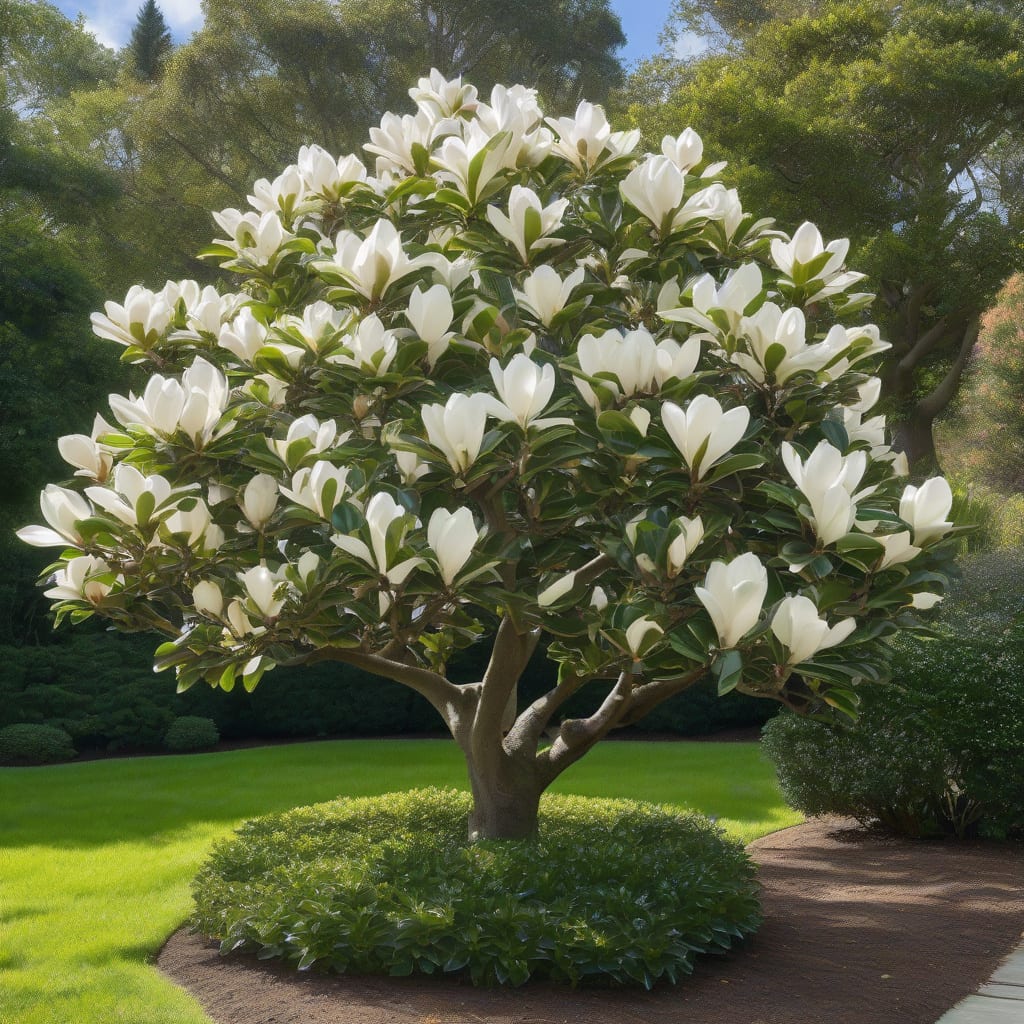
I’ve always been fascinated by the majestic Magnolia Tree 🌳, known for its stunning flowers and impressive size. Understanding how tall these trees can grow is crucial for garden planning, especially in USDA Zone 6 where they thrive.
The height of a Magnolia Tree varies significantly based on species and growing conditions. Let’s explore the factors that influence their growth and what you can expect in terms of ultimate height.


I’ve found that several key factors influence the height growth of Magnolia Trees, including species, climate, soil quality, and maintenance practices. Understanding these factors is crucial for gardeners to make informed decisions about planting and caring for their magnolia trees 🌳.
The species of the Magnolia Tree plays a significant role in determining its potential height. Different species have varying growth habits and maximum heights, ranging from compact varieties to towering specimens.
The climate in which a Magnolia Tree is grown significantly impacts its height growth. Magnolias generally thrive in temperate climates with mild winters and warm summers, which allows them to reach their full height potential.
Soil quality is another critical factor that affects the height growth of Magnolia Trees. These trees prefer well-draining, nutrient-rich soil that is slightly acidic. Proper soil conditions support healthy root development, which in turn promotes vertical growth 🌿.
Maintenance practices, including regular pruning and fertilization, can also influence the height growth of Magnolia Trees. Pruning helps control the tree’s shape and size, while fertilization provides essential nutrients for growth.
By understanding these factors, gardeners can create optimal conditions for their Magnolia Trees to reach their maximum height potential.
The height of a Magnolia Tree can vary significantly based on the aforementioned factors. Proper care and maintenance are essential for achieving optimal height growth.
Regular monitoring of the tree’s growth and adjusting care practices accordingly can help ensure that the Magnolia Tree reaches its full height potential.
In conclusion, the height growth of a Magnolia Tree is influenced by a combination of factors, including species, climate, soil quality, and maintenance practices. By understanding and managing these factors, gardeners can promote healthy growth and achieve the desired height for their magnolia trees 🌳.
I’ve found that Magnolia Trees come in various species, each with its unique height characteristics 🌳. Understanding these differences is essential for gardeners to choose the right tree for their landscape.
The height of Magnolia Trees can vary significantly across different species. Some species are naturally more compact, while others can grow into towering trees.
The Southern Magnolia is one of the tallest species, often reaching heights of 60-80 feet and sometimes growing up to 100 feet in ideal conditions 🌲.
In contrast, the Saucer Magnolia is generally more compact, with average heights ranging from 20-30 feet and a maximum height of around 40 feet 🌸.
The Star Magnolia is another compact variety, typically growing between 15-20 feet tall, with a maximum height of around 25 feet 🌼.
Understanding the average and maximum heights of different Magnolia Tree species helps gardeners plan their landscapes more effectively and choose trees that fit their space and aesthetic preferences.
By selecting the right Magnolia Tree species for their garden, individuals can enjoy the beauty and benefits of these magnificent trees while ensuring they have enough space to grow 🌳.
I’ve found that proper pruning and care are essential for managing the height of Magnolia Trees. Regular maintenance helps control the tree’s size and promotes healthy growth 🌳.
Pruning is a critical aspect of Magnolia Tree care. It helps maintain the tree’s shape, removes dead or damaged branches, and can influence the tree’s overall height.
Prune your Magnolia Tree immediately after it finishes blooming to avoid cutting off next year’s flowers. Remove dead or damaged branches to maintain health and shape 🌿.
When pruning, focus on removing dead or damaged branches first. This helps prevent disease from spreading and maintains the tree’s overall health.
Thinning out the tree’s interior can also help control its height and promote a more balanced structure. This involves selectively removing branches to allow more sunlight to penetrate and air to circulate 🌸.
In addition to pruning, proper fertilization and watering practices are crucial for maintaining a healthy Magnolia Tree. Use a balanced fertilizer during the growing season, and water regularly, especially during dry spells 💧.
By following these pruning and care tips, you can effectively manage the height of your Magnolia Tree and enjoy its beauty for years to come 🌳.
