
Beautiful Plants For Your Interior
Beautiful Plants For Your Interior
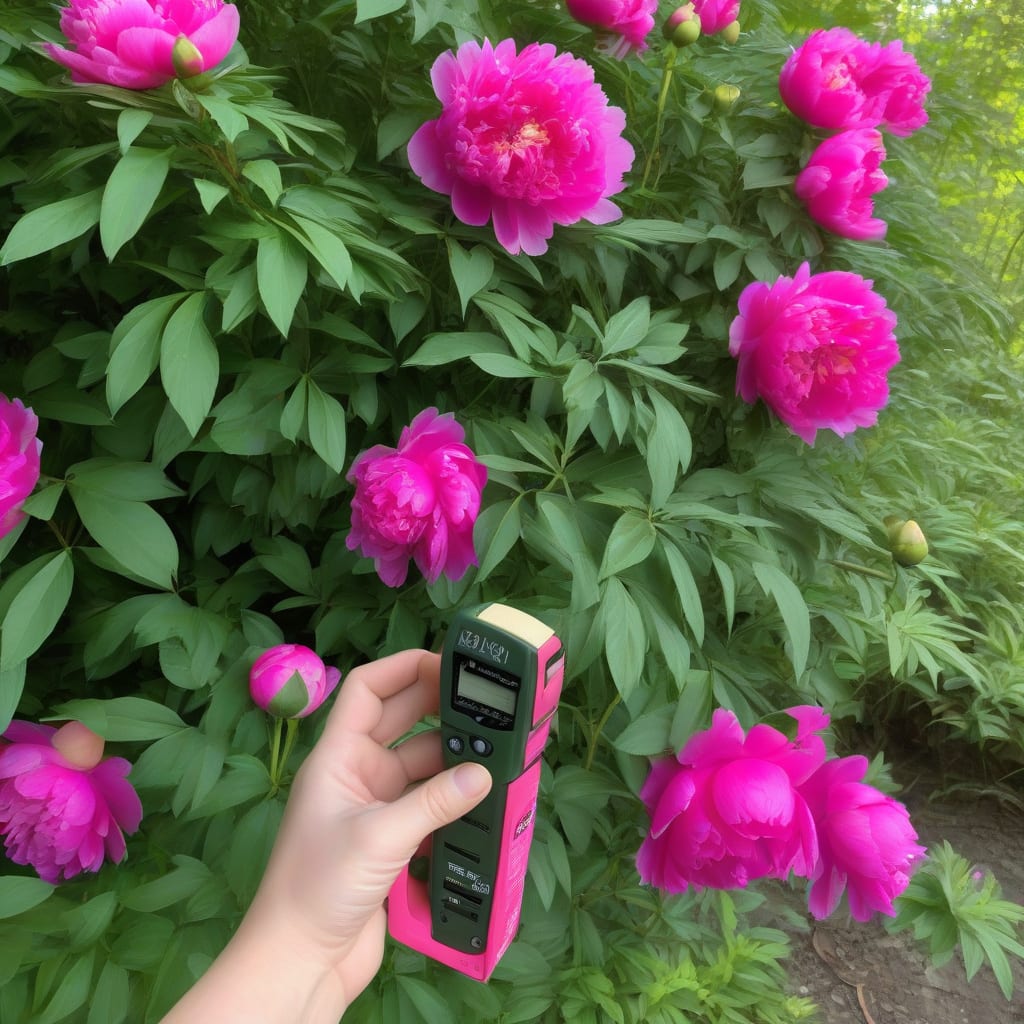
When planning your garden, understanding how tall your 💐 Peony plants will grow is crucial for proper placement. In USDA Zone 6, you can expect these beautiful flowers to reach varying heights depending on the variety and growing conditions.
Generally, Peonies grow between 2-4 feet tall, with some varieties reaching even higher. Let’s explore the factors that influence their height and how to support these stunning plants.

1-2 ft

2-3 ft

3-4 ft

2-4 ft
When it comes to understanding how tall peonies can grow, several factors come into play. The height of these beautiful flowers isn’t just about the variety; it’s also influenced by the soil quality, care practices, and growing conditions 🌼.
First and foremost, the variety of peony you’re growing plays a significant role in determining its height. Different types of peonies, such as herbaceous, tree, or intersectional, have varying growth habits and maximum heights. For instance, some tree peonies can grow quite tall, while herbaceous peonies tend to be shorter 🌱.
Soil quality is another critical factor. Peonies thrive in rich, well-draining soil that’s abundant in organic matter. Poor soil conditions can limit their growth potential, so amending the soil with compost or well-rotted manure can make a significant difference 💪.
Proper care practices also contribute to the overall height of peonies. Regular watering, especially during the growing season, ensures that the plants receive adequate moisture. Additionally, balanced fertilization in the spring supports healthy growth and can encourage peonies to reach their maximum height 🌻.
It’s worth noting that planting depth can also affect peony height. Planting the tubers too deeply can result in reduced flowering and potentially shorter plants. The general rule is to plant them so that the ‘eyes’ are no more than 1-2 inches below the soil surface 🔍.
Lastly, support can be a crucial factor for taller peony varieties. Providing stakes or a peony ring can help keep the plants upright, especially when they’re laden with large flowers, thus maintaining their height and preventing damage 🌟.
By understanding and managing these factors, gardeners can help their peonies achieve their full height potential and enjoy the stunning blooms these plants are known for 🌼.
In summary, while the variety of peony sets the initial growth potential, factors like soil quality, sunlight, watering, fertilization, planting depth, and support all play crucial roles in determining how tall peonies will grow. By optimizing these conditions, gardeners can encourage their peonies to reach their maximum height and flourish 🌻.
For gardeners looking to maximize their peony’s height, it’s essential to start with a healthy root system and provide the right growing conditions. With proper care and attention, peonies can become a stunning focal point in any garden, reaching heights that are both impressive and beautiful 💐.
Understanding the specific needs of your peony variety and tailoring your care practices accordingly can make all the difference in achieving optimal height and enjoying a bountiful display of flowers 🌼.
By focusing on these key factors and providing the necessary care, you can help your peonies grow tall and strong, creating a breathtaking display in your garden 🌻.
When considering how tall peonies grow, it’s essential to understand that different types of peonies have varying height ranges. The three main categories are herbaceous, tree, and intersectional peonies, each with its unique growth characteristics 🌼.
Herbaceous peonies typically grow between 2-3 feet tall, with some varieties reaching up to 4 feet in ideal conditions. These plants die back to the ground in winter and regrow in spring 🌱.
Tree peonies are known for their more substantial growth, often reaching heights of 4-6 feet, with some exceptional varieties growing up to 8 feet tall. Unlike herbaceous peonies, tree peonies maintain their woody stems year-round 🌲.
Intersectional peonies, also known as Itoh peonies, typically grow to be between 2.5-3.5 feet tall. They combine the best characteristics of both herbaceous and tree peonies, offering a robust growth habit and beautiful flowers 🌸.
Understanding these height variations is crucial for garden planning. By knowing the expected mature height of your peonies, you can plan your garden layout more effectively, ensuring that taller varieties don’t overshadow smaller plants 🌻.
It’s also important to note that while variety plays a significant role in determining height, growing conditions can also impact the final height of your peonies. Factors such as soil quality, sunlight, and proper care can influence whether your peonies reach their maximum potential height 🌞.
For gardeners looking to create a layered garden effect, mixing different types of peonies can be an excellent strategy. Planting taller tree peonies towards the back, with shorter herbaceous or intersectional peonies in the front, can create a visually appealing display 🌼.
By understanding the average height range for different peony types, gardeners can make more informed decisions about plant placement and garden design. This knowledge helps in creating a harmonious and thriving garden ecosystem 🌱.
In conclusion, the height of peonies varies significantly across different types, from the shorter herbaceous varieties to the taller tree peonies. Recognizing these differences allows gardeners to plan and care for their peonies more effectively, ensuring they reach their full potential and provide a stunning display in the garden 🌸.
When it comes to managing peony height, there are several strategies gardeners can employ to ensure these beautiful flowers reach their full potential. Proper care and support are crucial for maintaining healthy plants and encouraging optimal growth 🌼.
For taller peony varieties, use stakes or peony rings to provide support and prevent damage from heavy blooms.
One of the most effective ways to manage peony height is by providing adequate support. Taller varieties can become top-heavy when in full bloom, making them prone to flopping over. Using stakes or a peony ring can help keep the plants upright and maintain their height 🌟.
Pruning practices also play a role in managing peony height. For herbaceous peonies, cutting back the foliage to the ground after the first frost helps maintain plant health and promotes new growth in the spring 🌱.
In addition to support and pruning, proper nutrition is vital for optimal growth. Feeding your peonies with a balanced fertilizer in the spring can encourage healthy growth and help them reach their maximum height 🌻.
It’s also important to consider the planting location. Peonies perform best in full sun to partial shade and well-draining soil. Ensuring your peonies are planted in an optimal location can significantly impact their overall health and height 🌞.
By implementing these strategies, gardeners can effectively manage peony height and enjoy a stunning display of blooms. Whether you’re growing herbaceous, tree, or intersectional peonies, proper care and support will help you achieve optimal growth and beauty in your garden 🌼.
