
Beautiful Plants For Your Interior
Beautiful Plants For Your Interior
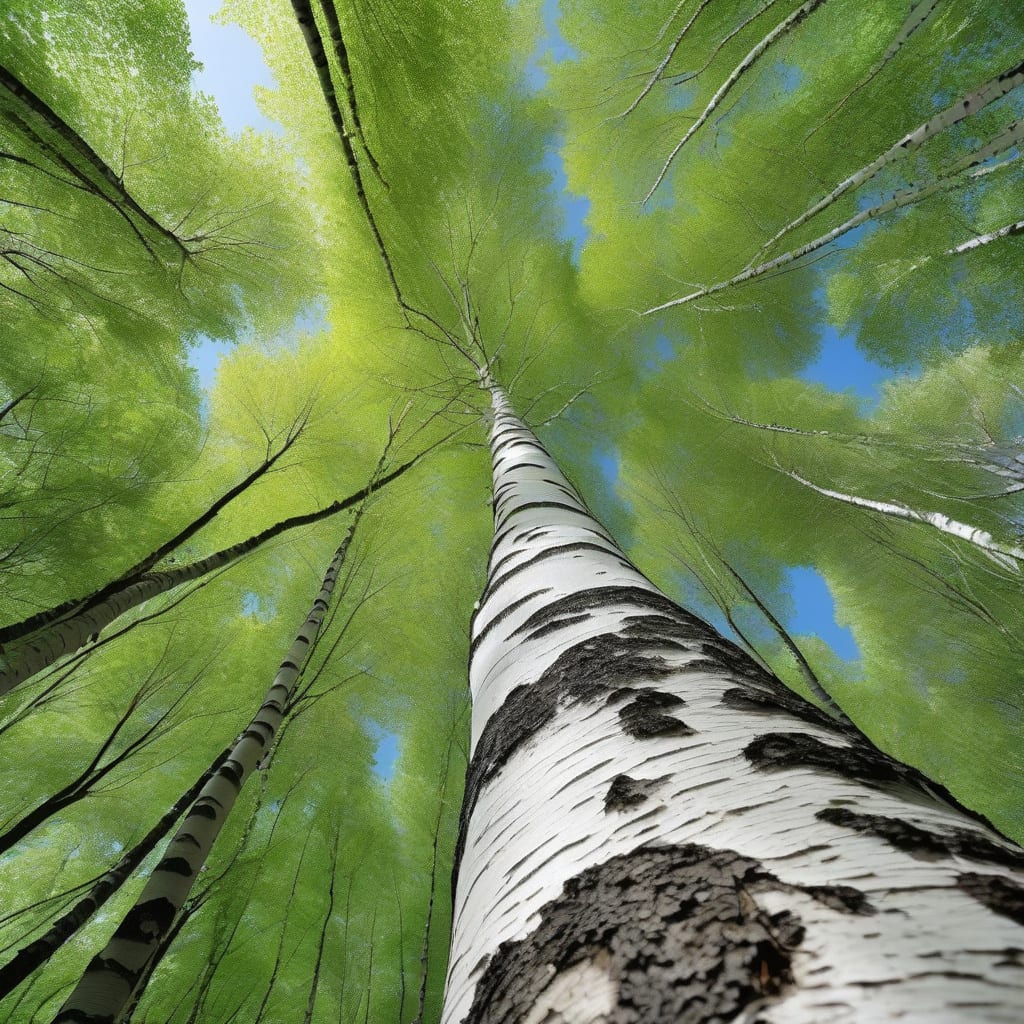
I’ve always been fascinated by the majestic 🌳 Birch Tree, known for its striking white bark and elegant appearance. But have you ever wondered just how tall these trees can grow?
Birch Trees can reach heights of 30 to 50 feet, making them a significant presence in any landscape. Let’s explore what affects their growth and how to keep yours healthy.


Birch trees are known for their striking white bark and elegant appearance, but their height can vary significantly depending on the species. Understanding the maximum heights of different birch tree species is crucial for proper landscaping and garden planning 🌳.
The height of birch trees can range from 30 to 50 feet, with some species growing taller than others. Let’s explore the varying heights of popular birch tree species: paper birch, river birch, yellow birch, and their growth characteristics.
The Paper Birch typically grows to be 30 to 40 feet tall, with a slender profile that makes it ideal for smaller landscapes. Its white bark is particularly striking, especially in winter 🌲.
The River Birch is known for its ability to thrive in wet environments. Its height can reach 40 to 50 feet, making it a substantial presence in any landscape 🌿.
The Yellow Birch is one of the taller species, capable of growing up to 60 to 80 feet in ideal conditions. Its tall, straight trunk and yellowish bark make it a striking addition to any forest or garden 🌲.
Understanding the maximum heights of these birch tree species can help you make informed decisions when planning your garden or landscape. Whether you’re looking for a smaller tree or a tall, majestic presence, there’s a birch tree species to suit your needs 🌳.
Birch trees are not only valued for their height but also for their ornamental qualities. Their striking bark and graceful branches add beauty to any landscape, making them a popular choice among gardeners and landscapers 🌲.
When considering birch trees for your garden, it’s essential to understand their growth potential and how to care for them properly. This includes providing the right soil conditions, adequate sunlight, and regular maintenance 🌱.
By understanding the growth habits and maximum heights of different birch tree species, you can better plan your garden and ensure that your trees thrive for years to come 🌳.
In conclusion, birch trees offer a range of heights and growth characteristics that can enhance any landscape. By choosing the right species and providing proper care, you can enjoy the beauty and benefits of these magnificent trees for years to come 🌲.
I’ve found that birch tree growth height is influenced by several key factors, including soil quality, sunlight, watering, and maintenance practices. Understanding these factors is crucial for promoting healthy growth and maximizing the height of your birch tree 🌳.
The quality of the soil plays a significant role in determining how tall a birch tree can grow. Birch trees prefer well-drained soil that is rich in organic matter. Soil that is too dense or poorly drained can limit root growth, which in turn affects the tree’s overall height 🌱.
Birch trees require specific conditions to grow tall and healthy. Ensuring proper soil quality, adequate sunlight, and appropriate watering practices are essential for maximizing their growth potential 🌳.
Sunlight is another critical factor that affects birch tree growth. These trees generally thrive in full sun to partial shade. While they can tolerate some shade, insufficient sunlight can lead to weaker growth and a shorter overall height 🌲.
Watering practices also play a vital role in the growth of birch trees. Consistent moisture, especially during the first few years after planting, is essential. However, overwatering can be detrimental, leading to root rot and stunted growth 💧.
Regular maintenance practices, such as pruning and fertilization, can help promote healthy growth. Pruning removes dead or diseased branches, allowing the tree to focus its energy on growing taller and stronger 🌿.
In my experience, understanding and managing these factors can significantly impact the height and health of your birch tree. By providing the right conditions and care, you can help your birch tree reach its full growth potential 🌳.
Birch trees are not only valued for their height but also for their ornamental qualities. Their striking bark and graceful branches add beauty to any landscape, making them a popular choice among gardeners and landscapers 🌲.
By understanding the factors that affect birch tree growth height, you can better plan your garden and ensure that your trees thrive for years to come 🌳.
Managing birch tree height is crucial for landscaping purposes, as it allows you to maintain a desired height and promote healthy growth 🌳.
One effective way to manage birch tree height is through pruning. Pruning involves removing dead or diseased branches, which helps the tree focus its energy on growing taller and stronger 🌲.
When pruning birch trees, make clean cuts just above a growth node to promote healthy regrowth and minimize the risk of disease 🔥.
The planting location also plays a significant role in managing birch tree height. Planting in an area with full sun to partial shade and well-drained soil can help promote healthy growth and maximize height 🌿.
Growth management strategies, such as regular fertilization and watering, can also help control birch tree height. Fertilizing with a balanced fertilizer during the growing season can provide essential nutrients for growth 💪.
By understanding these factors and implementing proper care techniques, you can effectively manage the height of your birch tree and enjoy its beauty for years to come 🌳.
In my experience, managing birch tree height requires a combination of proper pruning, planting location, and growth management strategies 🌲.
