
Beautiful Plants For Your Interior
Beautiful Plants For Your Interior
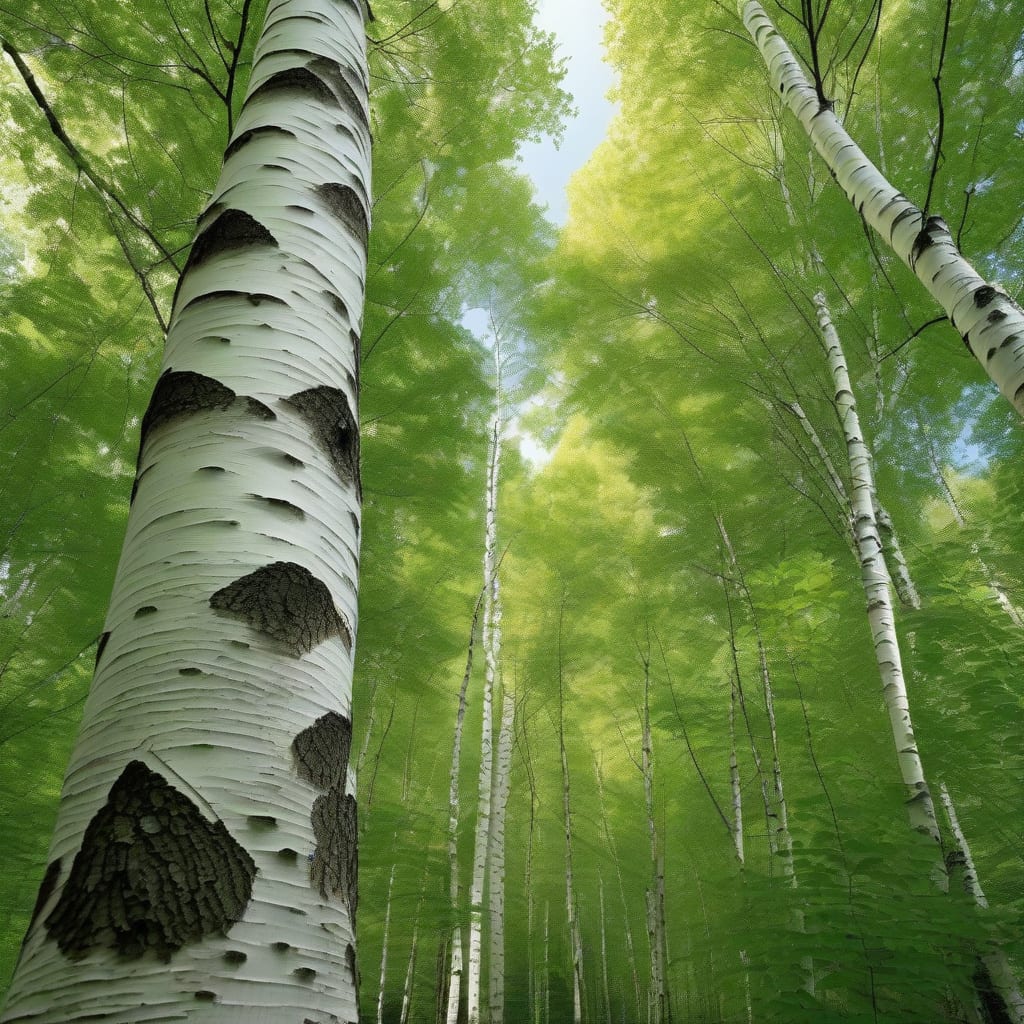
I’ve always been fascinated by the majestic Birch Tree 🌳, with its striking white bark and delicate leaves. But have you ever wondered just how tall these beautiful trees can grow?
Birch trees can reach impressive heights, typically growing between 30 to 50 feet tall, depending on the species and growing conditions. Let’s explore what affects their growth and how to care for them.
I’ve always been fascinated by the diverse world of birch trees, with their striking white bark and delicate leaves. The height potential of these beautiful trees is just as fascinating as their appearance. Let’s explore the varying height potentials of different birch species.
Birch trees are known for their impressive growth, typically reaching heights between 30 to 50 feet. However, some species can grow taller than others. Understanding these differences is crucial for landscaping and gardening purposes.
The height of birch trees can vary significantly depending on the species. For instance, the Paper Birch typically grows between 30 to 40 feet, while the Yellow Birch can reach heights of 60 to 70 feet. The River Birch is known to grow even taller, reaching heights of 50 to 90 feet. These variations are important to consider when planning your landscaping or gardening projects 🌳.
Understanding the maximum height potential of different birch tree species is crucial for making informed decisions about tree placement and care of the surrounding landscape. By knowing the typical height range for a specific birch species, you can better plan your garden or forest.
The growth rate and maximum height of birch trees are influenced by several factors, including soil quality, climate, and available sunlight. Soil quality plays a significant role, as birch trees prefer well-drained soil rich in organic matter. Climate is another crucial factor, as birch trees thrive in cooler climates with adequate moisture. Finally, available sunlight affects growth, with birch trees generally preferring full sun to partial shade 🌟.
Birch trees are not only valued for their height but also for their ecological and aesthetic contributions to landscapes. They provide habitat for various wildlife, help in soil stabilization, and add visual interest with their striking bark and foliage.
In conclusion, the height potential of birch trees varies by species, with some growing taller than others. By understanding these differences and the factors that influence growth, you can better appreciate these beautiful trees and make informed decisions about their care and placement in your landscape 🌳.
For more information on birch tree care and landscaping tips, consider exploring resources from reputable gardening and forestry organizations. These sources can provide valuable insights into maintaining healthy birch trees and maximizing their growth potential.
I’ve found that understanding the factors that affect birch tree height growth is crucial for both gardeners and landscapers. The height of birch trees can be influenced by a variety of environmental and care-related factors.
Birch trees generally prefer full sun to partial shade, which significantly impacts their growth rate and maximum height. The quality of the soil is another critical factor, as birch trees thrive in well-drained soil rich in organic matter. 🌳
Birch trees are sensitive to extreme temperatures and moisture levels. They generally thrive in cooler climates with adequate moisture.
The climate plays a significant role in determining the height of birch trees. Birch trees thrive in cooler climates with adequate moisture, and extreme temperatures can impact their growth. Proper watering practices are essential, especially during the first year after planting, to ensure healthy growth 🌟.
Regular maintenance, such as pruning, can also affect the height and overall health of birch trees. Pruning helps to remove dead or diseased branches, promoting healthy growth and potentially influencing the tree’s maximum height.
In addition to these factors, the soil pH can impact birch tree growth. Birch trees prefer slightly acidic to neutral soil pH, ranging from 6.0 to 7.0. Ensuring the soil pH is within this range can support optimal growth.
By understanding and managing these factors, you can create an optimal environment for your birch trees to grow and reach their full height potential. Whether you’re a seasoned gardener or just starting out, knowing these details can make a significant difference in the health and appearance of your birch trees 🌳.
For more detailed information on birch tree care and maintenance, consider consulting resources from reputable gardening and forestry organizations. These sources can provide valuable insights into maintaining healthy birch trees and maximizing their growth potential.
I understand that managing birch tree height is crucial for landscaping purposes. The height of birch trees can significantly impact the overall aesthetic and functionality of a landscape.
Birch trees can be managed through regular pruning to maintain a desired height or shape. Pruning helps remove dead or diseased branches, promoting healthy growth 🌳.
By following these tips, you can effectively manage the height of your birch trees and create a beautiful, functional landscape. Regular maintenance is key to ensuring your birch trees remain healthy and thrive 🌳.
For more detailed information on birch tree care and landscaping tips, consider consulting resources from reputable gardening and forestry organizations. These sources can provide valuable insights into maintaining healthy birch trees and maximizing their growth potential.
Understanding the specific needs of your birch trees and adapting your care routine accordingly can make a significant difference in their overall health and appearance. By taking the time to learn about birch tree care, you can enjoy the many benefits these beautiful trees have to offer 🌟.

