
Beautiful Plants For Your Interior
Beautiful Plants For Your Interior
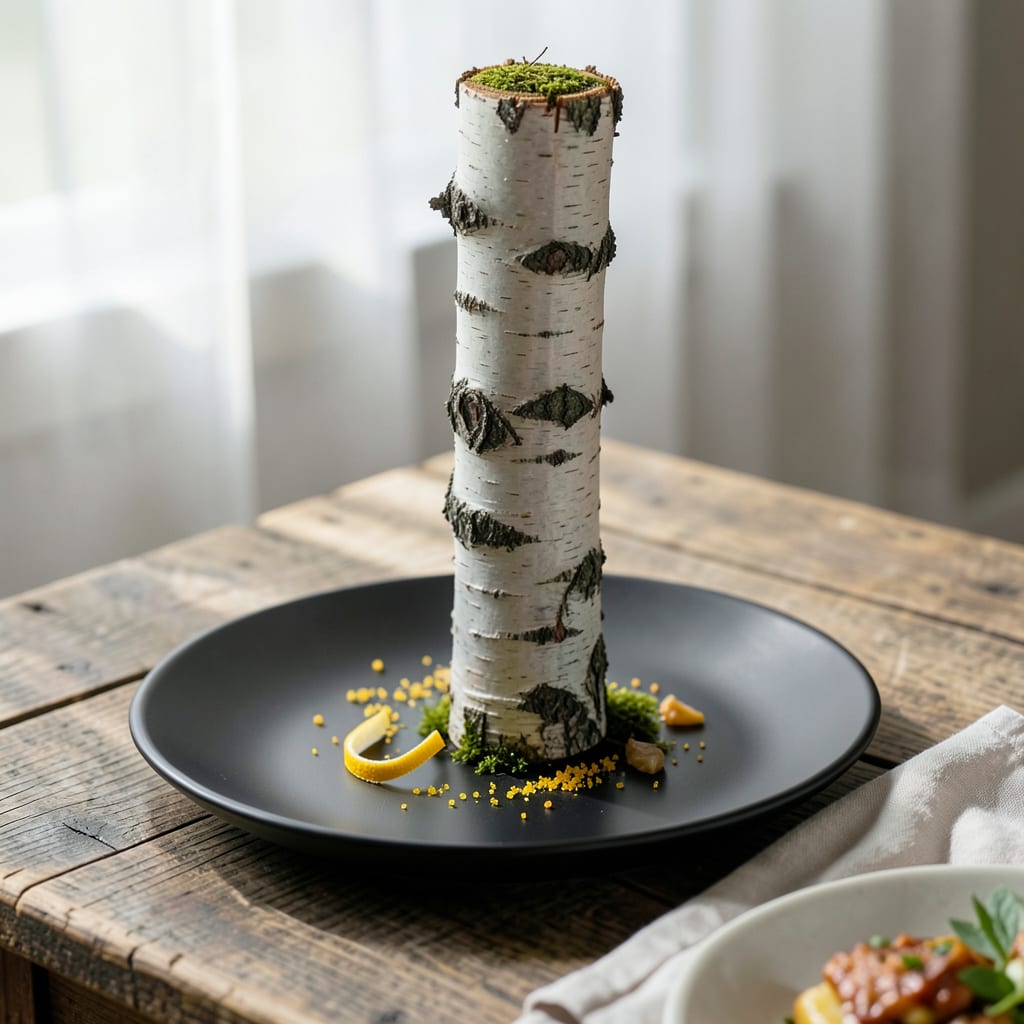
When planning your landscape, understanding the growth potential of trees is crucial. The Birch Tree 🌳 is known for its striking white bark and can grow to varying heights depending on several factors.
Typically reaching heights between 30-50 feet, their growth is influenced by species, soil quality, and climate conditions. Let’s explore what affects their maximum height and how to maximize their growth potential in your garden.


Birch trees are known for their striking white bark and graceful appearance, but their growth potential varies significantly based on several factors. Understanding these factors is crucial for proper landscaping and garden planning 🌳.
The height of birch trees can range between 30-50 feet, but this can be influenced by various environmental and genetic factors. Let’s explore the key elements that affect their maximum height.
Birch trees generally prefer full sun to partial shade and thrive in cooler climates. Their growth rate can be influenced by factors such as soil moisture and nutrient availability 🌿.
The soil quality plays a significant role in determining the maximum height of birch trees. They prefer well-draining soil that is rich in organic matter. Soil that is too compacted or poorly drained can limit root development and, consequently, the tree’s overall height.
Climate conditions also have a profound impact on the growth of birch trees. They thrive in cooler climates with adequate moisture. Extreme temperatures, either too hot or too cold, can stress the trees and limit their growth potential.
In addition to environmental factors, the genetic makeup of the birch tree species itself plays a crucial role in determining its maximum height. Different species have different inherent growth potentials.
For example, the Paper Birch (Betula papyrifera) typically grows up to 40-50 feet, while the Dwarf Birch (Betula nana) may only reach heights of 3-6 feet. Understanding the specific species and its characteristics is essential for predicting and managing its growth.
Birch trees are also known for their moderate growth rate, typically growing about 1-2 feet per year under optimal conditions. This growth rate can be influenced by the factors mentioned above, and proper care can help ensure that the trees reach their maximum height potential.
To maximize the growth potential of birch trees, it’s essential to provide them with the right conditions. This includes planting them in a location with adequate sunlight and maintaining proper soil moisture. Regular pruning can also help shape the tree and promote healthy growth.
By understanding and managing these factors, you can help your birch trees reach their full height potential and enjoy their beauty for years to come 🌲.
Regular maintenance, including fertilization and pest management, can also contribute to the overall health and growth of birch trees. By providing the right care, you can ensure that your trees thrive and reach their maximum height.
In conclusion, the height of birch trees is influenced by a combination of genetic and environmental factors. By understanding these factors and providing proper care, you can help your birch trees reach their full potential and enjoy their beauty for years to come.
Birch trees come in various species, each with its unique growth characteristics and maximum height potential. Understanding these differences is essential for selecting the right birch tree for your landscape and managing its growth effectively 🌳.
The height of birch trees can vary significantly depending on the species. Let’s explore some common birch tree species and their typical height ranges.
The Paper Birch is one of the most common birch species, known for its striking white bark. It typically grows to heights of 40-50 feet and has a moderate growth rate 🌲.
In contrast, the Yellow Birch can grow much taller, reaching heights of 60-80 feet. However, it has a slower growth rate compared to the Paper Birch.
On the other end of the spectrum, the Dwarf Birch is a smaller species that grows to only 3-6 feet tall. It is ideal for smaller landscapes or areas where a smaller tree is desired 🌿.
When selecting a birch tree species, it’s essential to consider not only the mature height but also the growth rate and other characteristics that may impact your landscape design.
Factors such as soil quality, climate conditions, and sunlight exposure can also influence the growth potential of birch trees. By understanding these factors and choosing the right species, you can ensure that your birch trees thrive and reach their maximum height potential.
Regular maintenance, including pruning and fertilization, can also help promote healthy growth and maximize the height potential of your birch trees.
In summary, different birch tree species have varying maximum height potentials, ranging from a few feet to over 80 feet. By understanding these differences and providing proper care, you can help your birch trees reach their full potential 🌳.
To help birch trees reach their maximum height potential, it’s essential to provide them with the right growing conditions and proper care 🌳.
Birch trees generally thrive in full sun to partial shade and prefer well-draining soil that is rich in organic matter. Ensuring these conditions are met is the first step in maximizing their growth height.
Test your soil to determine its pH level and nutrient content. Birch trees prefer slightly acidic soil with a pH between 6.0 and 6.5. Amend the soil as necessary to achieve these conditions.
Keep the soil consistently moist during the first year after planting. Water your birch tree regularly, especially during dry spells, to ensure it receives about 1 inch of water per week.
Prune your birch tree annually to remove dead or damaged branches. This helps maintain its health and promotes upward growth by directing the tree’s energy towards developing a strong, central leader 🌲.
By following these tips and providing your birch tree with the right conditions and care, you can help it reach its maximum height potential and enjoy its beauty for years to come 🌳.
Regular maintenance, including fertilization and pest management, can also contribute to the overall health and growth of birch trees. By understanding and managing these factors, you can ensure that your trees thrive and reach their full potential.
In summary, maximizing the growth height of birch trees requires a combination of proper soil preparation, adequate watering, and regular pruning. By following these tips, you can help your birch trees reach their maximum height and enjoy their beauty for years to come.
