
Beautiful Plants For Your Interior
Beautiful Plants For Your Interior
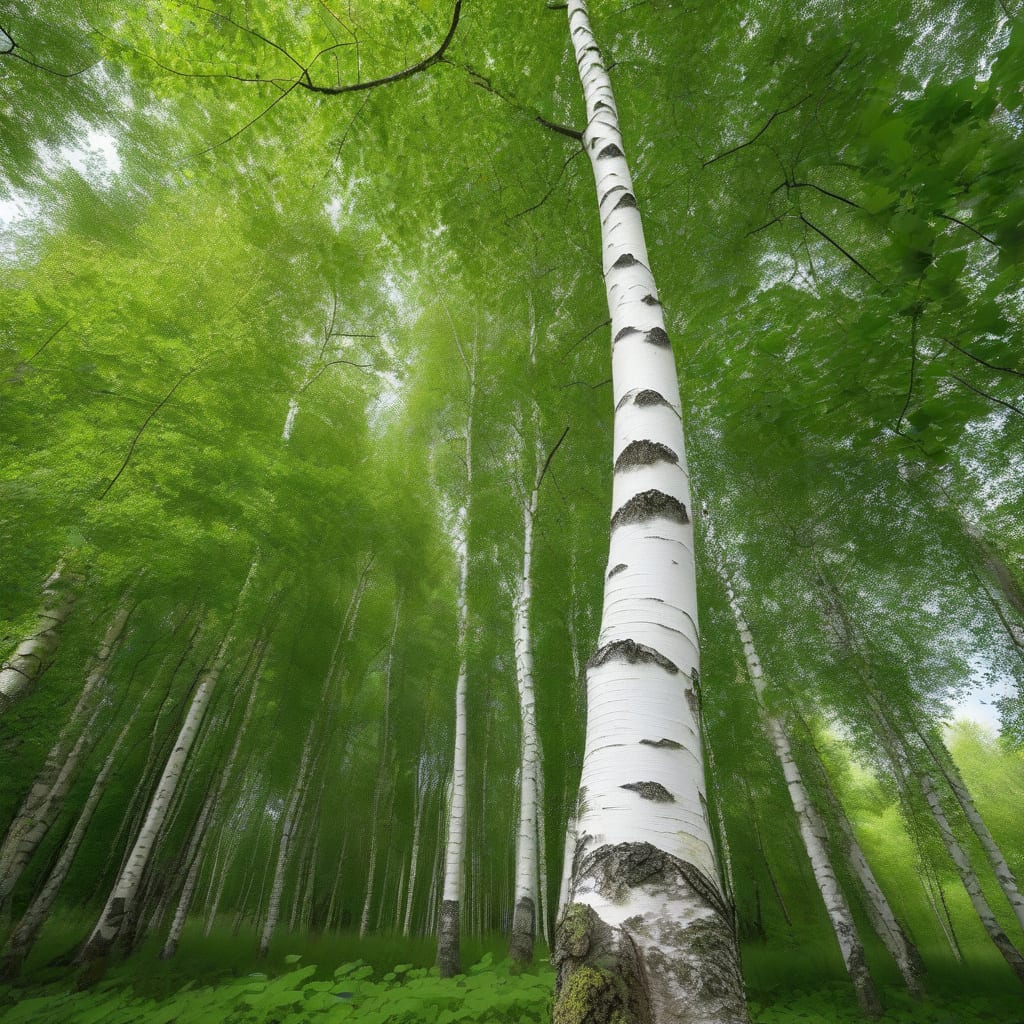
When I think about majestic trees that add elegance to any landscape, the Birch Tree 🌳 comes to mind. Known for their striking white bark, these trees can grow to varying heights depending on several factors.
Understanding how tall a Birch Tree can grow is essential for proper landscaping and care, especially if you’re planning to plant one in your garden in USDA Zone 6.


Birch trees are known for their striking white bark and elegant appearance, but their height potential varies significantly based on several factors. The maximum height of a Birch Tree can range from 30 to 50 feet, depending on the species and growing conditions 🌳.
To understand the growth potential of Birch Trees, it’s essential to consider the different species, environmental factors, and growth patterns. Let’s explore these factors in more detail.
The height of a Birch Tree is influenced by its species. For example, the Paper Birch typically grows to be around 30-40 feet tall, while the Yellow Birch can reach heights of 40-50 feet or more in optimal conditions.
Environmental conditions such as soil quality, sunlight exposure, and climate also play a crucial role in determining the maximum height of a Birch Tree. Trees growing in well-draining soil with ample sunlight and moisture tend to grow taller and healthier 🌿.
Understanding these factors is crucial for gardeners and landscapers who want to cultivate Birch Trees. By providing the right conditions and care, you can help your Birch Tree reach its full height potential.
Birch trees are not only valued for their height but also for their ornamental value. Their striking bark and graceful canopy make them a popular choice for landscaping in many regions.
When planting Birch Trees, it’s essential to consider their mature height to ensure they have enough space to grow without becoming crowded or overshadowing other plants.
The growth pattern of Birch Trees is generally upright when young, becoming more spreading with age. This characteristic should be considered when planning your landscape.
Regular maintenance, including pruning and fertilization, can help promote healthy growth and maximize the height potential of your Birch Tree.
By understanding the factors that influence the height of Birch Trees and providing appropriate care, you can enjoy these beautiful trees at their full potential for years to come.
Birch Trees are a wonderful addition to any garden, offering both aesthetic appeal and ecological benefits. Their height, while variable, is just one of the many characteristics that make them so valued.
When considering how tall a Birch Tree can grow, it’s essential to understand the various factors that influence their height growth. As I explore these factors, you’ll see how they impact the overall development of these beautiful trees 🌳.
Several key elements affect the height growth of Birch Trees, including soil quality, climate conditions, and maintenance practices. Let’s examine these factors in more detail.
By understanding and managing these factors, you can create an optimal environment for your Birch Tree to grow and thrive. Proper care and attention to these details will help ensure your tree reaches its full height potential 🌿.
The impact of soil quality on Birch Tree growth cannot be overstated. Trees growing in soil with good drainage and adequate nutrients tend to grow taller and healthier.
Climate conditions also play a significant role in determining the height of Birch Trees. Areas with consistent moisture and moderate temperatures support more vigorous growth.
In terms of maintenance practices, regular pruning helps maintain the tree’s shape and promotes healthy growth, while fertilization provides essential nutrients for development.
By combining these factors and providing the right conditions, you can help your Birch Tree achieve its maximum height potential and enjoy its beauty for years to come.
It’s also worth noting that different species of Birch Trees may respond differently to these factors, so understanding the specific needs of your tree is crucial.
Overall, the height growth of Birch Trees is influenced by a combination of environmental conditions and maintenance practices. By optimizing these factors, you can support the healthy development of your tree.
When it comes to managing the height of Birch Trees in landscaping, there are several practical tips to keep in mind. As a gardener or landscaper, understanding how to maintain the desired height of these trees is crucial for creating a balanced and aesthetically pleasing garden 🌳.
Regular pruning is essential for maintaining the desired height and shape of Birch Trees. Prune in late winter or early spring to remove dead or damaged branches.
Managing the height of Birch Trees involves a combination of regular pruning, proper maintenance practices, and understanding the growth patterns of the specific species you’re working with.
One effective strategy is to prune your Birch Tree annually to maintain its desired height and promote healthy growth. This involves removing any dead, diseased, or damaged branches, as well as any branches that are growing outside of the desired shape or size 🌿.
In addition to pruning, proper fertilization can help support the overall health and growth of your Birch Tree. Using a balanced fertilizer in the early growing season can provide essential nutrients for optimal development.
It’s also important to consider the mature height of your Birch Tree when planting. Ensuring that the tree has enough space to grow without becoming crowded or overshadowing other plants is crucial for maintaining a balanced landscape.
By combining regular pruning, proper maintenance, and careful planning, you can effectively manage the height of your Birch Trees and enjoy their beauty for years to come.
