
Beautiful Plants For Your Interior
Beautiful Plants For Your Interior
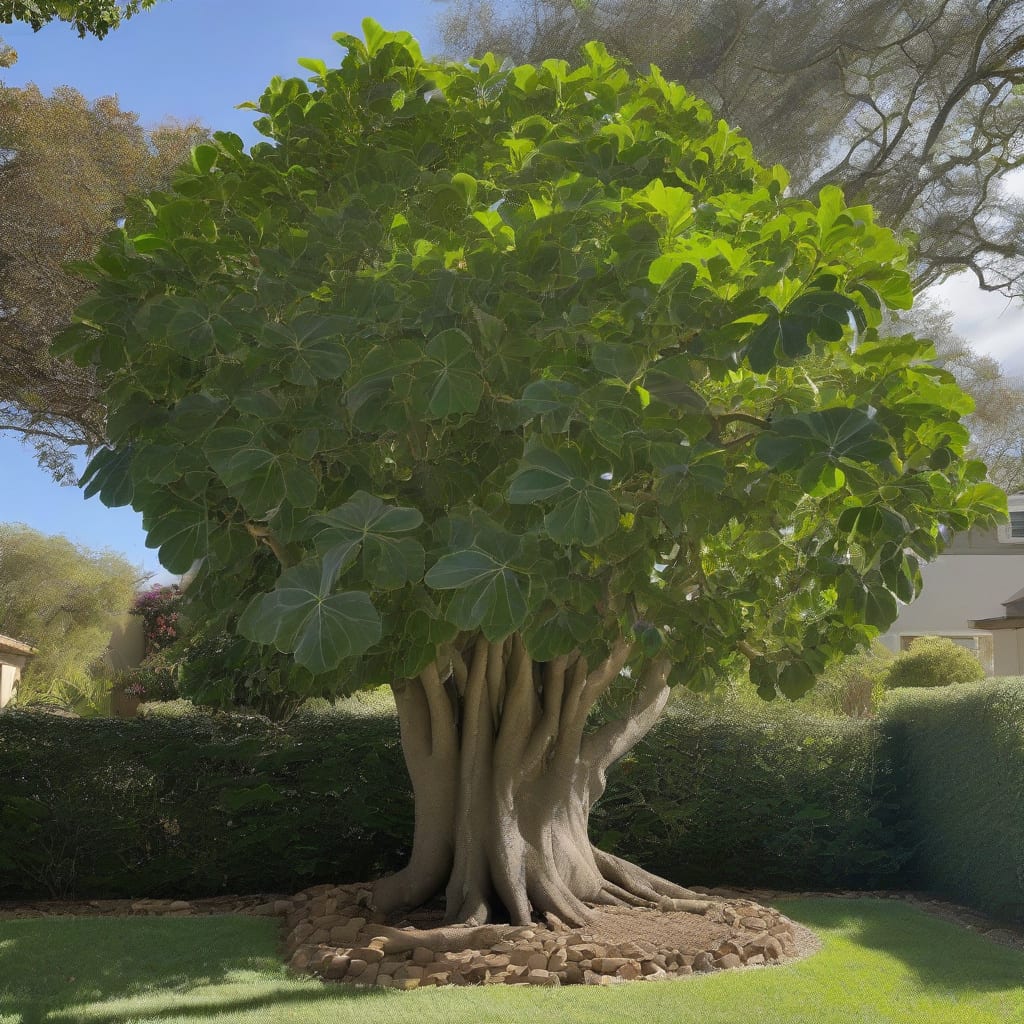
I’ve always been fascinated by the impressive size that fig trees 🫐 can achieve in the right conditions. Whether you’re growing a dwarf variety or a standard fig tree, understanding their growth potential is crucial for proper garden planning and maintenance.
Fig trees can grow to varying heights depending on factors like climate, soil quality, and care practices – with some reaching as tall as 30 feet. Let’s explore what influences their height and how to manage their growth effectively.
I’ve found that fig tree height is influenced by multiple factors that gardeners should consider when planning their cultivation. The most significant elements include climate conditions, soil quality, tree variety, and cultivation practices.
Understanding these factors is crucial for optimizing fig tree growth. Let’s examine how each of these elements contributes to a fig tree’s overall height potential.
The interplay between these factors determines a fig tree’s ultimate height. For instance, a fig tree growing in optimal climate conditions with rich soil and proper care can achieve its maximum potential height, while less favorable conditions may limit growth potential realizing the نحو HTML content for the given section.
I’ve found that fig tree height is influenced by multiple factors that gardeners should consider when planning their cultivation. The most significant elements include climate conditions, the quality of the soil, the variety of the tree, and the practices used in their cultivation.
Understanding these factors is crucial for optimizing fig tree growth. Let’s examine how each of these elements contributes to a fig tree’s overall height potential. 🌱
By understanding and managing these factors, gardeners can create optimal growing conditions for their fig trees. For example, choosing a fig tree variety that’s well-suited to your local climate can make a significant difference in its growth.
Climate considerations play a crucial role in fig tree growth. Fig trees generally thrive in USDA zones 6-9, where they can receive the necessary warmth and sunlight. In cooler climates, container cultivation allows for better protection and mobility.
The soil quality is equally important, as fig trees prefer well-draining soil that’s rich in organic matter. Amending the soil with compost or well-rotted manure can significantly improve soil quality and support healthy root development.
Tree variety selection is another critical factor, as different fig tree varieties have different growth habits. Dwarf varieties typically remain smaller, while standard varieties can grow much taller.
Cultivation practices such as regular pruning, appropriate fertilization, and consistent watering also play a vital role in managing fig tree height. Pruning helps control the tree’s size and promotes a more balanced structure.
By carefully considering these factors and adapting your care practices accordingly, you can help your fig tree reach its full height potential while maintaining a healthy and productive tree. Regular monitoring and adjustments to your care routine will ensure optimal growth conditions.
Fig trees can grow quite tall when given the right conditions, making them a beautiful addition to any garden landscape. With proper care and attention, these trees can thrive and provide bountiful harvests for years to come.
I’ve found that fig tree varieties come in different sizes, ranging from compact dwarf varieties to larger standard trees. Understanding these variations is crucial for garden planning.
Different fig tree varieties have distinct growth patterns and maximum heights. Let’s explore the height ranges of popular fig tree types.
The height potential of fig trees varies significantly across different varieties. Dwarf varieties are perfect for small gardens or container growing, while standard varieties can become quite large.
Factors influencing variety height include genetics, growing conditions, and cultivation practices. Understanding these factors helps gardeners choose the right variety for their space.
Dwarf varieties typically grow between 8-12 feet tall, making them ideal for small gardens or container cultivation. They offer a compact growth habit while still producing abundant fruit.
Semi-dwarf varieties range from 12-18 feet in height, providing a balance between manageable size and fruit production. They’re suitable for smaller orchards or garden spaces.
Standard varieties can reach heights of 15-30 feet, making them suitable for larger gardens or commercial orchards. They require more space but often produce more fruit.
Choosing the right fig tree variety depends on available space, climate conditions, and desired maintenance level. Consider these factors when selecting a tree for your garden.
Fig tree height can be managed through proper pruning and training techniques. Regular maintenance helps control the tree’s size while promoting healthy growth and fruit production.
By understanding the growth potential of different fig tree varieties, gardeners can make informed decisions about which trees to plant and how to care for them effectively.
I always consider the mature size of fig trees when planning my garden layout. Proper management techniques can help maintain a healthy tree while optimizing available space.
Effective fig tree height management involves regular pruning, appropriate training methods, and consistent maintenance practices. Let’s explore these techniques in detail.
Prune your fig tree annually to maintain desired height and promote healthy growth. Remove dead or damaged branches first, then shape the tree as needed.
Pruning techniques are essential for managing fig tree height. I recommend pruning during the dormant season to minimize stress on the tree. Remove any dead, diseased, or crossing branches to maintain a healthy structure.
Training methods can also help control fig tree size. Espaliering against a wall or using a trellis system can effectively limit height while maximizing space utilization.
Regular maintenance practices like monitoring for pests and diseases, maintaining proper soil nutrition, and consistent watering help keep your fig tree healthy and within desired size parameters.
By combining these techniques, you can effectively manage your fig tree’s height while promoting optimal fruit production and overall tree health. Regular monitoring and adjustments to your care routine will ensure your tree remains a beautiful and productive addition to your garden.

