
Beautiful Plants For Your Interior
Beautiful Plants For Your Interior
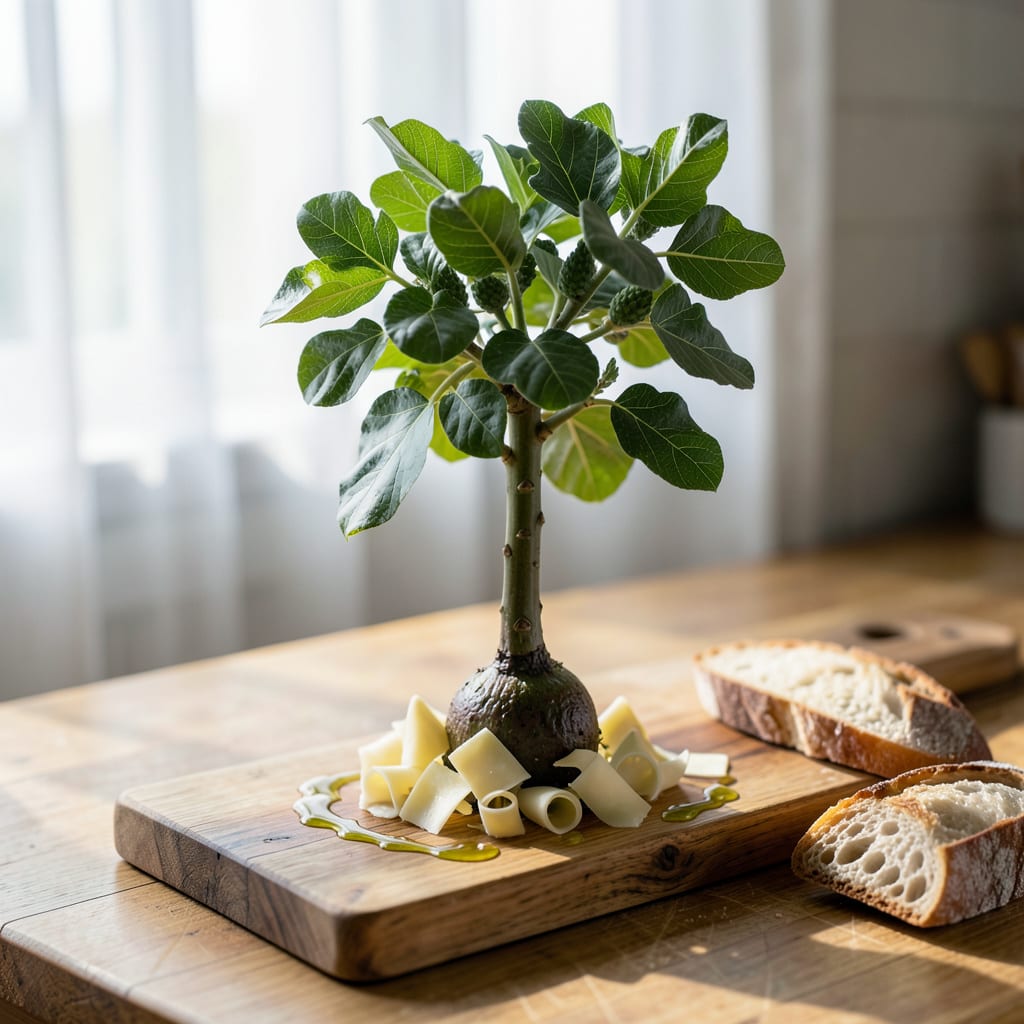
As I stand under my mature Fig Tree 🫐, I’m amazed by its impressive height – some varieties can grow up to 30 feet tall! Understanding how tall fig trees can grow is crucial for planning your garden layout.
In this guide, we’ll explore the factors that influence Fig Tree height, from variety to growing conditions, and provide tips on managing their size to fit your space in USDA Zone 6.

5 ft

10 ft

15 ft

20 ft
When considering how tall fig trees can grow, it’s essential to understand that their height is influenced by multiple factors. The maximum height of a fig tree can range from 8 to 30 feet, depending on the variety, growing conditions, and maintenance practices.
The variety of fig tree is a significant factor in determining its potential height. Dwarf varieties typically grow between 8-12 feet tall, while standard varieties can reach heights of 15-30 feet. Understanding the specific needs and characteristics of your fig tree variety is crucial for optimal growth.
Growing conditions also play a critical role in determining the height of fig trees. Full sun and well-draining soil are essential for optimal growth. Fig trees prefer consistent moisture, but overwatering can be detrimental. In USDA Zone 6, fig trees typically thrive in spring and summer months.
Regular pruning practices are vital for managing the height of fig trees. Pruning helps control the tree’s size, promotes healthy growth, and encourages fruiting. The best time to prune fig trees is during their dormant season, typically in late winter or early spring.
The decision to plant fig trees in containers or directly in the ground also affects their height. Container-grown fig trees are generally smaller and more manageable, making them ideal for small gardens or patios. In contrast, ground-planted fig trees have more room to grow and can reach their maximum potential height.
Understanding these factors and how they interact is key to managing the height of your fig tree effectively. By choosing the right variety, providing optimal growing conditions, and implementing appropriate pruning practices, you can enjoy a healthy and productive fig tree that fits your garden’s needs.
For example, a dwarf fig tree grown in a container may reach a height of 6-8 feet, while a standard variety planted in the ground can grow up to 20-25 feet tall. By understanding these growth patterns, you can plan your garden layout accordingly and ensure that your fig tree has enough space to thrive.
In addition to variety and growing conditions, soil quality and watering practices also impact fig tree height. Fig trees prefer well-draining soil that is rich in organic matter. Consistent moisture, especially during the fruiting stage, is crucial for optimal growth and fruit production.
By considering these factors and adapting your care practices accordingly, you can optimize the growth and height of your fig tree. Whether you’re growing a dwarf variety in a container or a standard variety in the ground, understanding the factors that influence fig tree height is essential for successful cultivation.
Regular monitoring and maintenance are also crucial for managing fig tree height. This includes regular pruning, fertilization, and pest management. By staying on top of these tasks, you can ensure that your fig tree remains healthy and productive.
In conclusion, the height of fig trees is influenced by a combination of factors, including variety, growing conditions, and maintenance practices. By understanding these factors and implementing appropriate care practices, you can enjoy a thriving fig tree that meets your needs and provides delicious fruit for years to come 🌳.
When it comes to managing fig tree height, pruning is a crucial technique that can help control the tree’s size while promoting healthy growth and fruit production. Proper pruning practices can make a significant difference in maintaining a manageable fig tree that fits your garden’s needs.
I always recommend starting with the right tools for pruning: sharp, clean pruning shears and loppers for thicker branches. This ensures clean cuts that help the tree heal quickly and reduces the risk of disease.
Start by removing any dead, diseased, or damaged branches to prevent disease spread and encourage healthy growth 🌱.
Selectively remove branches to improve air circulation and sunlight penetration, which helps prevent fungal diseases 🌿.
Prune to maintain desired shape and height, focusing on cutting back vigorous growth to maintain balance 🌳.
The best time to prune fig trees is during their dormant season, typically in late winter or early spring. This timing helps minimize stress on the tree and allows for optimal healing before the growing season begins.
When pruning, I recommend making clean cuts at a 45-degree angle, just above a bud or lateral branch. This technique promotes healthy regrowth and helps maintain the tree’s natural shape.
For younger fig trees, annual pruning is essential to establish a strong structure. For mature trees, pruning every 2-3 years is usually sufficient to maintain size and promote fruiting.
Regular monitoring of your fig tree’s response to pruning is crucial. Adjust your pruning strategy as needed based on the tree’s growth patterns and overall health 🌟.
By implementing these pruning techniques and strategies, you can effectively manage your fig tree’s height while promoting a healthy, productive tree that thrives in your garden.
Remember that pruning is both an art and a science. Don’t be afraid to experiment and adjust your approach based on your tree’s specific needs and your personal preferences as a gardener.
In my experience, the key to successful fig tree management is consistent care and attention to detail. With proper pruning and maintenance, you can enjoy a beautiful and productive fig tree for years to come.
When deciding how to grow fig trees, one crucial consideration is whether to plant them in containers or directly in the ground. This decision significantly impacts their growth patterns and maximum height 🌳.
Container-grown fig trees offer several advantages, including better control over soil quality and moisture levels. They are generally smaller and more manageable, making them ideal for small gardens or patios. The restricted root space in containers naturally limits the tree’s size, typically resulting in heights between 6-10 feet 🔥.
Ground-planted fig trees, on the other hand, have more room to grow and can reach their maximum potential height of 15-30 feet. They require less frequent watering as their roots can access deeper soil moisture 🌱.
The choice between container and ground planting ultimately depends on your specific needs and garden constraints. If you have limited space, container growing might be the better option. For larger gardens, ground planting allows fig trees to reach their full potential 🌟.
By understanding these differences, you can make an informed decision that best suits your gardening goals and space availability.
