
Beautiful Plants For Your Interior
Beautiful Plants For Your Interior
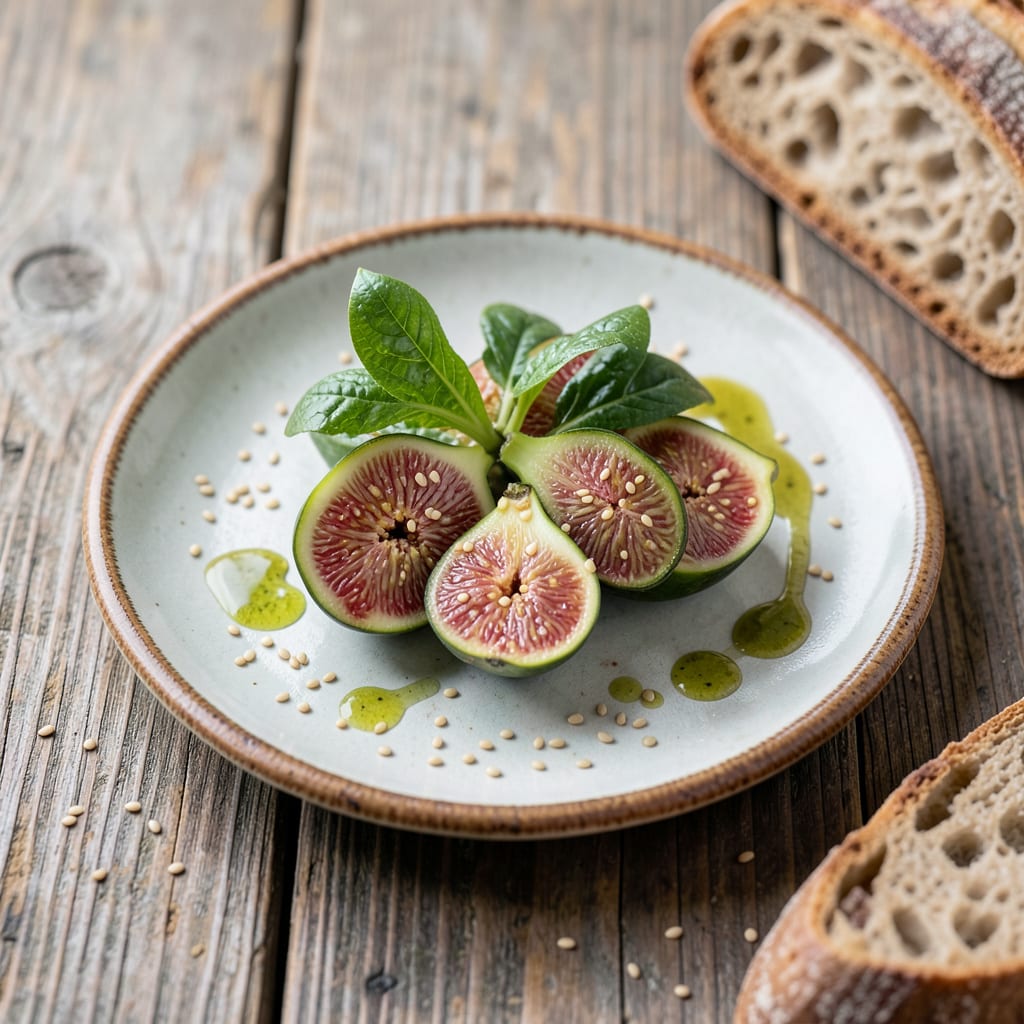
Fertilizing your Fig Tree 🫐 at the right time can make all the difference in its health and harvest. In USDA Zone 6, timing is everything to get the most out of your tree.
Let’s explore the best times to fertilize your Fig Tree throughout the year to ensure you’re giving it the nutrients it needs when it needs them most.

Fertilizing your Fig Tree at the right time is crucial for maximizing its growth and fruit production. The key is to understand the tree’s growth cycle and provide nutrients when they’re most needed.
In USDA Zone 6, Fig Trees typically follow a specific growth pattern that dictates when they need fertilization. Let’s explore the best times to fertilize your Fig Tree throughout the year.
The fertilization schedule for Fig Trees in USDA Zone 6 is designed to support their growth cycle. By feeding your tree in the early spring, wake of its dormancy, you’re providing it with the nutrients it needs to produce new growth and fruit. A light feed in late spring helps maintain this growth, while summer and late summer feeds support fruit development and prepare the tree for the next growing season.
During the winter months, Fig Trees are dormant, and fertilization should be skipped. This cycle ensures your Fig Tree remains healthy and productive year after year.
By following this seasonal fertilization schedule, you can optimize your Fig Tree’s health and maximize its fruit production. Remember, the key is to fertilize at the right times to support the tree’s growth cycle 🌟.
The importance of timing cannot be overstated when it comes to fertilizing your Fig Tree. Fertilizing at the wrong time can lead to reduced fruit production and potentially harm the tree. By adhering to the schedule outlined above, you ensure that your tree receives the nutrients it needs when it needs them most, leading to a bountiful harvest and a healthy tree 🌿.
Additional considerations include soil quality and the tree’s overall health. Fig Trees prefer well-draining soil and full sun, which can impact their nutrient needs. Adjusting your fertilization schedule based on these factors can further enhance your tree’s performance.
For more specific guidance tailored to your climate and soil conditions, consulting with a local gardening expert or extension service can provide valuable insights into optimizing your Fig Tree’s care 🌱.
By understanding and implementing the right fertilization strategy, you can enjoy a thriving Fig Tree that produces delicious fruit for years to come. Happy gardening! 🍃
Fertilizing your Fig Tree correctly is just as important as timing when it comes to maximizing growth and fruit production. The right fertilizer type and application method can make a significant difference.
For Fig Trees, a balanced fertilizer with an NPK ratio of 10-10-10 is recommended. This provides the necessary nutrients for healthy growth and fruiting 🌿.
Apply fertilizer in the early morning when the tree is best able to absorb the nutrients. Spread the fertilizer evenly around the base of the tree, avoiding the trunk, and water thoroughly afterward 💧.
The frequency of fertilization is another critical factor. For Fig Trees, fertilizing every 4-6 weeks during the growing season is generally recommended. This schedule supports continuous growth and fruit production without overloading the tree with nutrients 📅.
Soil quality also plays a significant role in how your Fig Tree responds to fertilization. Ensuring your soil is well-draining and rich in organic matter can enhance the effectiveness of your fertilization efforts. Consider soil testing to determine its nutrient content and pH level, adjusting your fertilization strategy accordingly 🌱.
By combining the right fertilizer type, application method, and frequency, you can significantly improve your Fig Tree’s health and productivity. Remember, the goal is to support the tree’s growth cycle and maximize fruit production, leading to a bountiful harvest 🌟.
Monitoring your tree’s response to fertilization is crucial. Look for signs of healthy growth, such as robust foliage and abundant fruiting. Adjust your fertilization strategy as needed based on your observations to ensure optimal results 🌿.
For more detailed guidance on fertilizing Fig Trees and other gardening tips, consulting resources like the USDA or local gardening experts can provide valuable insights tailored to your specific conditions 📚.
By following these guidelines and staying attentive to your Fig Tree’s needs, you can enjoy a thriving, productive tree that brings joy and delicious fruit to your garden for years to come 🌸.
Fertilizing fig trees requires careful consideration to avoid common mistakes that can harm the tree’s health and productivity. One of the most critical errors is over-fertilization, which can lead to nutrient imbalances and damage the tree 🌿.
Avoid fertilizing during the winter months when fig trees are dormant, as this can cause unnecessary stress to the tree ❄️.
Wrong timing is another common mistake. Fertilizing too early or too late in the season can disrupt the tree’s natural growth cycle. It’s essential to follow a seasonal fertilization schedule tailored to your fig tree’s needs 📅.
Nutrient imbalances can also occur if the fertilizer used is not balanced or if the soil lacks certain nutrients. Regular soil testing can help identify any deficiencies and guide your fertilization strategy 🌱.
By being aware of these common fertilization mistakes and taking steps to avoid them, you can ensure your fig tree remains healthy and productive.
I recommend monitoring your tree’s response to fertilization and making adjustments as necessary to achieve the best results 🌟.
For more specific guidance on fertilizing fig trees and addressing potential issues, consulting with a local gardening expert or extension service can provide valuable insights tailored to your climate and soil conditions 📖.
Fertilize your fig tree every 4-6 weeks during the growing season for optimal growth and fruit production. This frequency supports continuous nutrient uptake without overloading the tree. Regular fertilization promotes healthy foliage and abundant fruiting .
No, it’s best to skip fertilizing during the winter months when your fig tree is dormant. Fertilizing during this period can cause unnecessary stress to the tree and potentially lead to nutrient imbalances .
A balanced fertilizer with an NPK ratio of 10-10-10 is recommended for fig trees. This type of fertilizer provides the necessary nutrients for healthy growth and fruiting, supporting overall tree health .
Signs of over-fertilization include yellowing leaves, weak growth, and reduced fruit production. Monitor your tree’s response to fertilization and adjust your strategy as needed to avoid these issues .
