
Beautiful Plants For Your Interior
Beautiful Plants For Your Interior
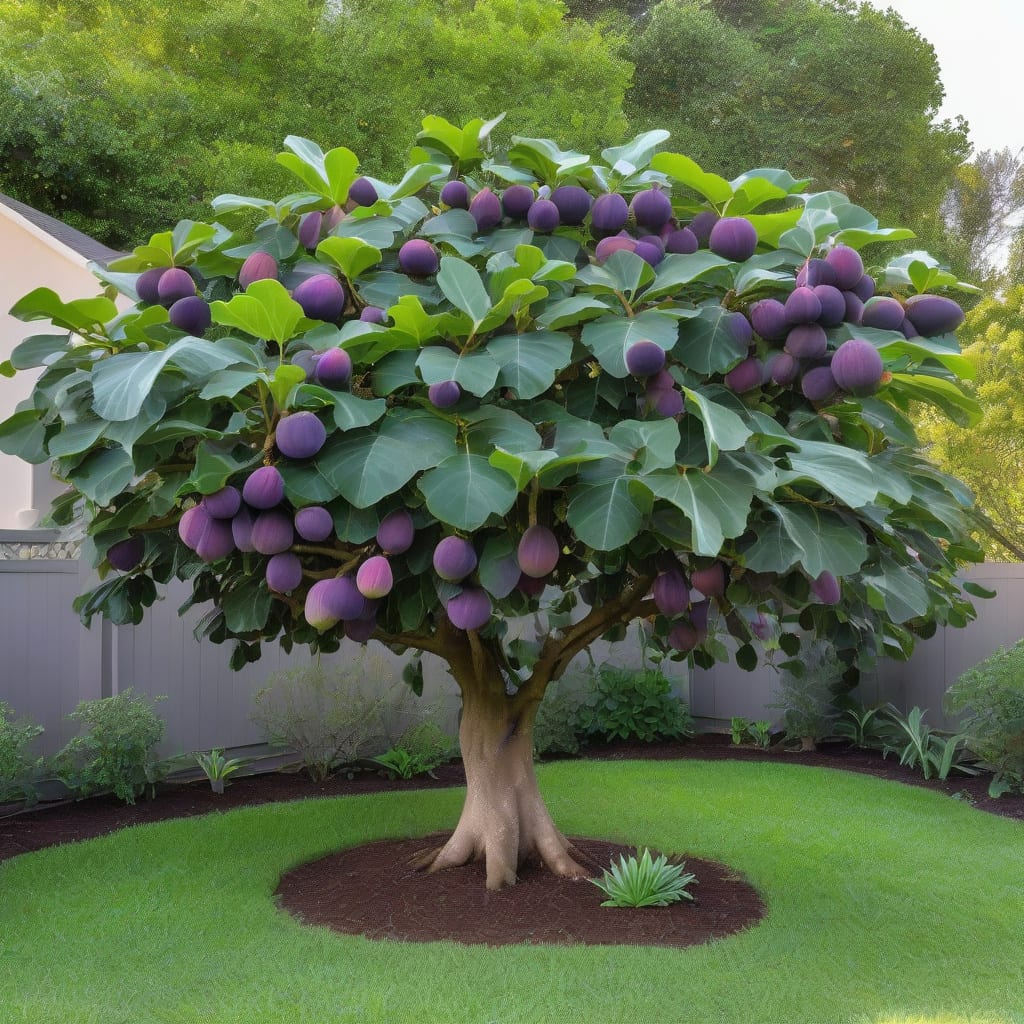
I’ve always been fascinated by the majestic Fig Tree 🫐, which can grow to impressive heights in the right conditions. Understanding how tall these trees can grow is crucial for gardeners looking to maximize their space and harvest.
Factors like soil quality, sunlight, and pruning techniques all play a role in determining the ultimate height of your fig tree – typically between 15 to 30 feet. Let’s explore the key elements that influence their growth.
I’ve found that several key factors determine how tall fig trees can grow. Understanding these elements is crucial for gardeners looking to maximize their tree’s height potential. The main factors include soil quality, sunlight exposure, watering practices, and pruning techniques 🌳.
Soil quality plays a significant role in fig tree growth. Fig trees prefer well-draining soil with a pH between 6.0 and 6.5. The soil should be rich in organic matter and have good nutrient content. I recommend testing your soil to determine its pH and nutrient levels, and amending it as necessary to create optimal growing conditions 🌱.
Sunlight exposure is another critical factor in fig tree growth. Fig trees require full sun** to produce well and grow vigorously. This means they need at least 6 hours of direct sunlight per day. If you’re growing your fig tree in a container, be sure to place it in a south-facing location to maximize sunlight exposure ☀️.
Watering practices also impact fig tree height. Fig trees prefer consistent moisture, especially when they’re producing fruit. However, it’s essential to avoid waterlogging, which can lead to root rot and other problems. I recommend watering your fig tree deeply once or twice a week, depending on weather conditions 💧.
Pruning techniques are vital for maintaining the shape of your fig tree and promoting healthy growth. Regular pruning helps to remove dead or diseased branches, encourage new growth, and increase fruit production. I prune my fig trees in the dormant season, removing any branches that are crossing or rubbing against each other ✂️.
In addition to these factors, fertilization and pest management also play a role in fig tree growth. Fig trees benefit from regular fertilization, especially during the growing season. I recommend using a balanced fertilizer (10-10-10 NPK) every 4-6 weeks to promote healthy growth and fruit production 📦.
Pest management is also crucial for maintaining healthy fig trees. Common pests include aphids, spider mites, and scale insects. I recommend monitoring your trees regularly and using organic pest control methods whenever possible to minimize harm to beneficial insects 🐜.
By understanding and optimizing these growth factors, you can help your fig tree reach its full height potential.
In my experience, fig trees can grow 3-5 feet per year under optimal conditions. With proper care and attention, you can enjoy a bountiful harvest of delicious figs for years to come 🫐.
To recap, the key factors influencing fig tree height growth are soil quality, sunlight exposure, watering practices, and pruning techniques. By optimizing these conditions, you can help your fig tree reach its maximum height potential 🌟.
To maximize the height of fig trees, it’s essential to create ideal growing conditions. I’ve found that factors like fertilization, pest management, and training methods play a crucial role in promoting healthy growth 🌿.
First, let’s talk about fertilization. Fig trees benefit from regular feeding during the growing season. I recommend using a balanced fertilizer (10-10-10 NPK) every 4-6 weeks to promote healthy growth and fruit production 📦.
Monitor soil moisture by inserting your finger 2 inches into the soil. Water when dry, avoiding waterlogging that can lead to root rot 💧.
Pest management is also critical for maintaining healthy fig trees. Common pests include aphids, spider mites, and scale insects. I recommend monitoring your trees regularly and using organic pest control methods whenever possible to minimize harm to beneficial insects 🐜.
Training methods can also impact fig tree height. Fig trees can be trained to grow as a single trunk or multi-stemmed tree. I recommend pruning your fig tree regularly to maintain its shape and promote healthy growth ✂️.
In my experience, fig trees can grow 3-5 feet per year under optimal conditions. By providing the right growing conditions and care, you can help your fig tree reach its maximum height potential 🌟.
To recap, optimizing conditions for maximum fig tree height involves regular fertilization, effective pest management, and proper training methods. By following these expert tips, you can enjoy a bountiful harvest of delicious figs for years to come 🫐.
Additionally, maintaining consistent moisture and providing full sun will further support the growth of your fig tree.
I’ve seen many gardeners struggle with fig tree growth due to common mistakes that can significantly limit their height potential. Understanding these errors is crucial for maximizing your tree’s growth 🌱.
One of the most common mistakes is improper pruning techniques. Prune during the dormant season to promote healthy growth and avoid stressing the tree ✂️.
Another critical error is inconsistent watering practices. Fig trees prefer consistent moisture, especially when producing fruit. Avoid waterlogging by watering deeply once or twice a week, depending on weather conditions 💧.
Poor soil quality is also a significant factor. Fig trees need well-draining soil with a pH between 6.0 and 6.5. Test your soil and amend it as necessary to create optimal growing conditions 🌱.
Inadequate sunlight exposure can also limit growth. Fig trees require full sun (6+ hours direct sunlight) to grow vigorously. Ensure your tree is placed in a south-facing location ☀️.
To avoid these common mistakes, focus on providing optimal growing conditions, including regular fertilization, effective pest management, and proper training methods. By doing so, you can help your fig tree reach its maximum height potential 🌟.
In my experience, avoiding these mistakes can lead to healthier growth and a more bountiful harvest. Fig trees can grow 3-5 feet per year under optimal conditions, making them a rewarding addition to any garden 🫐.

