
Beautiful Plants For Your Interior
Beautiful Plants For Your Interior
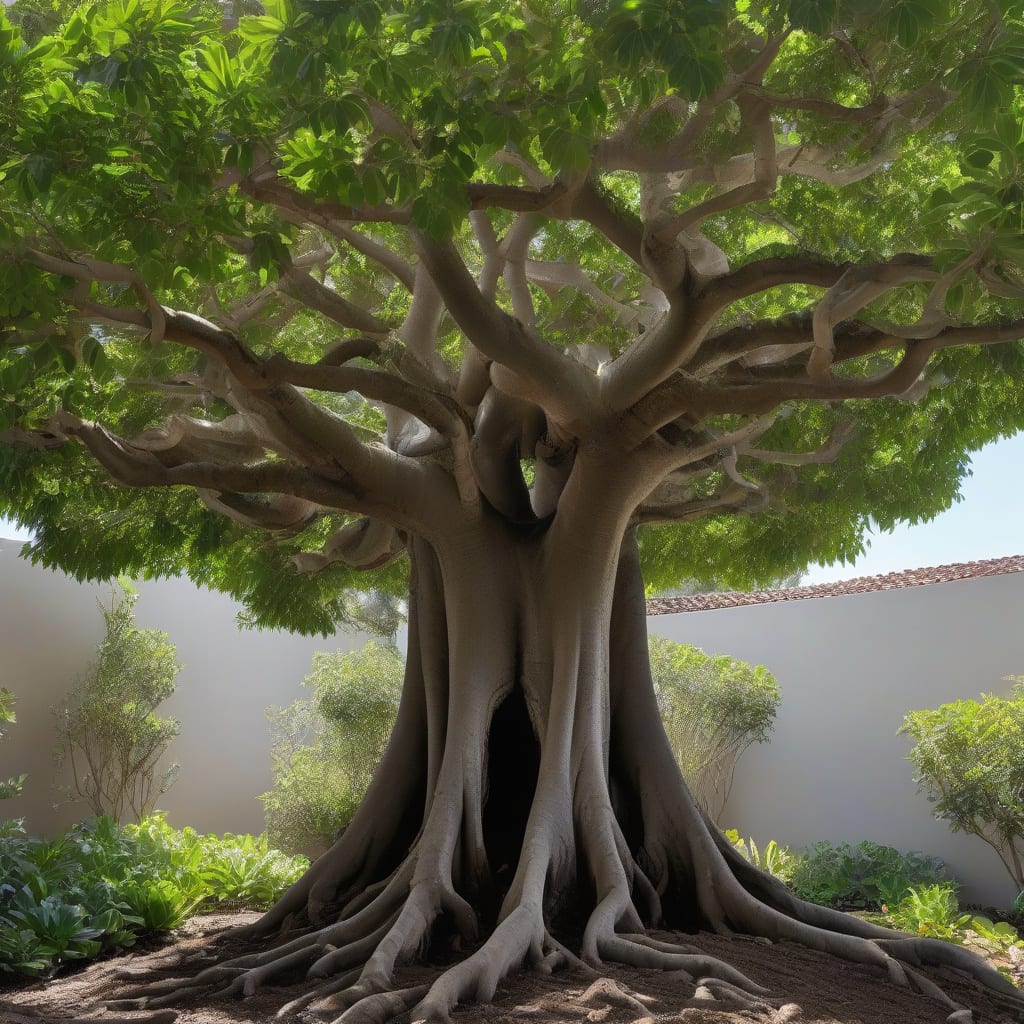
I’ve always been fascinated by the potential of fig trees 🫐 to transform a garden with their impressive growth. Understanding how tall they can grow is crucial for proper planning and care.
Fig trees can reach heights of 15 to 30 feet, with some varieties growing even taller under optimal conditions in USDA Zone 6. Let’s explore the factors that influence their growth and how to maximize their height.
Fig trees are known for their impressive growth potential, with heights ranging from 15 to 30 feet depending on the variety and growing conditions. Understanding the factors that influence their growth is essential for gardeners looking to cultivate these beautiful trees.
The height of a fig tree is determined by several key factors, including the specific variety, climate, soil quality, and proper care techniques. By understanding these elements, gardeners can create optimal conditions for their fig trees to thrive and reach their maximum height 🌳.
Fig trees generally grow at a moderate rate, with most varieties reaching maturity within 5 to 10 years. The growth rate can be influenced by factors such as soil quality, watering practices, and pruning techniques.
In ideal conditions, fig trees can grow up to 3 feet per year, although this rate may slow down as the tree matures.
Several factors can impact the growth rate of fig trees, including temperature, sunlight, and soil moisture. By optimizing these conditions, gardeners can help their fig trees reach their full potential.
Understanding the growth patterns and maximum height of fig trees is crucial for gardeners looking to incorporate these trees into their landscape. By providing the right conditions and care, gardeners can enjoy the many benefits of growing fig trees.
Fig trees can be a stunning addition to any garden, providing shade, beauty, and delicious fruit. With proper care and attention, these trees can thrive and become a beloved part of any landscape.
By understanding the factors that influence fig tree growth, gardeners can take steps to promote healthy development and maximize their tree’s height. This includes providing optimal growing conditions, regular maintenance, and protection from pests and diseases.
With the right care and attention, fig trees can become a beautiful and productive addition to any garden. Whether you’re a seasoned gardener or just starting out, understanding how tall fig trees can grow is an important step in cultivating these wonderful trees.
To help your fig tree reach its full height potential, it’s essential to provide the right growing conditions and care. Fig trees require full sun to produce optimal growth, so choose a location that receives at least 6 hours of direct sunlight per day 🌞.
Proper watering practices are also crucial for promoting healthy growth. Fig trees prefer consistent moisture, especially during their first year of growth. Water your tree regularly, but avoid overwatering, which can lead to root rot and other problems 💧.
Prune your fig tree annually to maintain its shape and promote vertical growth. Remove any dead or damaged branches, and cut back any branches that are growing too far outward.
Fertilize your fig tree with a balanced fertilizer during the growing season (spring-fall). This will provide essential nutrients for healthy growth and development.
Regularly inspect your fig tree for signs of pests or diseases, and take action promptly if you notice any issues. This will help prevent damage and promote healthy growth.
In addition to these tips, it’s essential to provide your fig tree with well-draining soil and a slightly acidic to neutral soil pH (6.0-7.0). By following these expert gardening tips, you can help your fig tree reach its full height potential and enjoy a bountiful harvest for years to come 🌟.
Fig trees are relatively low-maintenance, but they do require regular care to thrive. By understanding the factors that influence their growth and taking steps to promote healthy development, you can enjoy the many benefits of growing fig trees.
With proper care and attention, fig trees can become a beautiful and productive addition to any garden. Whether you’re a seasoned gardener or just starting out, understanding how to maximize fig tree height is an important step in cultivating these wonderful trees 🌳.
By implementing these strategies and providing optimal growing conditions, you can help your fig tree reach new heights and enjoy a thriving, productive tree for years to come.
When growing fig trees, it’s essential to avoid common mistakes that can limit their growth potential. One of the most significant errors is overwatering, which can lead to root rot and other problems 🌟.
Fig trees prefer well-draining soil, so
Regularly inspect your fig tree for signs of pests like aphids, spider mites, and scale. Use organic pest control methods whenever possible to prevent damage.
Another critical mistake is inadequate sunlight. Fig trees require full sun to produce optimal growth, so choose a location that receives at least 6 hours of direct sunlight per day 🌞.
Poor soil quality can also limit fig tree growth. Ensure your soil has a pH between 6.0 and 6.5 and is rich in organic matter. Add compost or well-rotted manure to improve soil fertility and drainage 🌱.
By avoiding these common mistakes and providing optimal growing conditions, you can help your fig tree reach its full potential and enjoy a bountiful harvest for years to come.
Regular maintenance is key to promoting healthy growth. This includes pruning your fig tree annually to maintain its shape and promote vertical growth.
By following these expert tips and avoiding common pitfalls, you can enjoy the many benefits of growing fig trees, including delicious fruit and beautiful foliage 🍜.

