
Beautiful Plants For Your Interior
Beautiful Plants For Your Interior
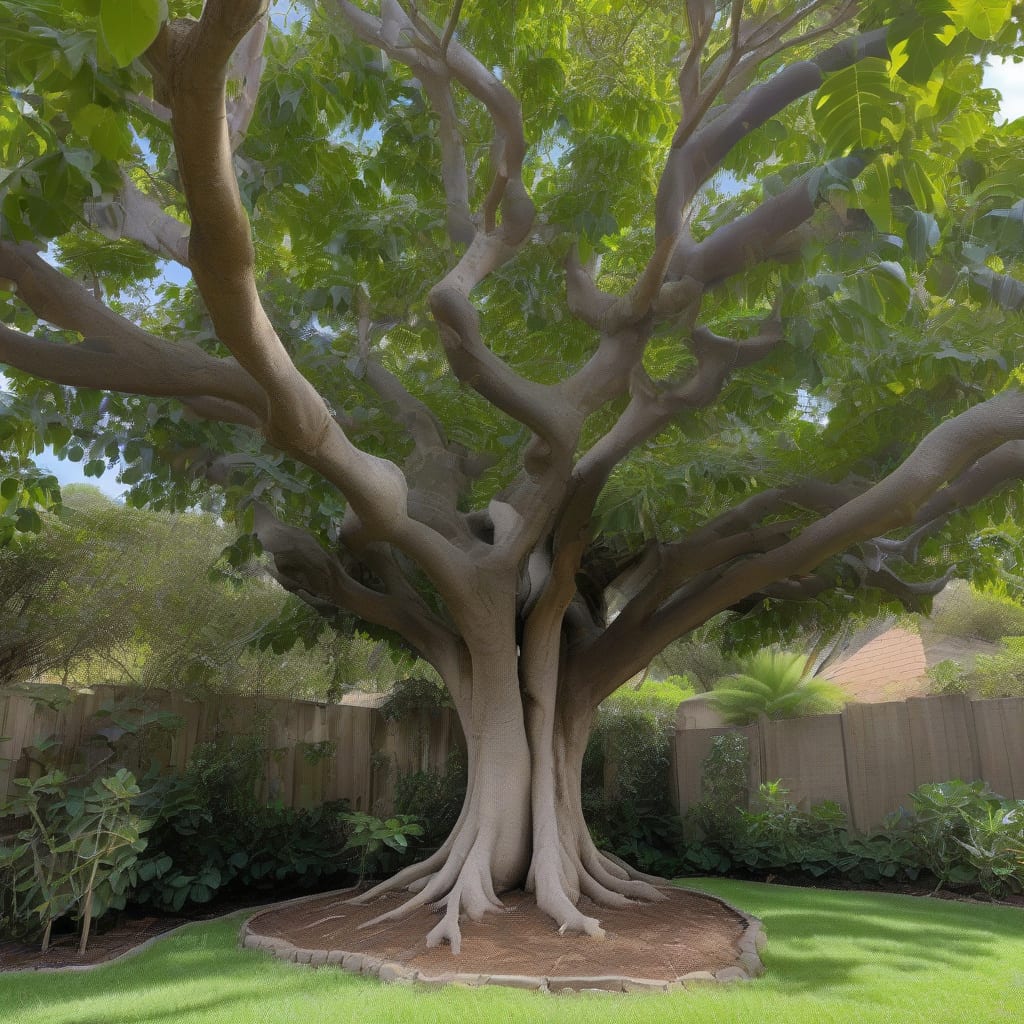
I’ve always been fascinated by the Chicago Fig Tree 🫐, a variety that’s become a favorite among gardeners in colder climates like Chicago’s 5b zone. These trees have a unique growth pattern that makes them particularly interesting to cultivate.
Understanding how tall they can grow is crucial for proper planning – whether you’re planting in the ground or using containers. Let’s explore what you can expect from these productive trees.

I’ve found that several key factors influence the height of Chicago Fig Trees, making it essential to understand these elements for optimal growth. The tree’s mature size can be affected by various conditions that gardeners should be aware of to provide the best care.
The climate plays a significant role in determining the height of Chicago Fig Trees. These trees thrive in USDA zone 5b, where they experience cold winters that naturally control their height through dieback. The tree’s growth is also influenced by the soil quality, with well-draining soil being crucial for healthy root development.
The pruning practices you adopt can significantly impact the height of your Chicago Fig Tree. Regular pruning not only helps control the tree’s height but also encourages a bushier growth pattern, which can be beneficial for container-grown trees.
When it comes to planting method, whether you choose to grow your Chicago Fig Tree in the ground or in a container can affect its root growth and, consequently, its overall height. Container-grown trees often remain smaller due to the restricted root space.
Understanding these factors is crucial for managing the growth of your Chicago Fig Tree effectively. By considering climate conditions, soil quality, and pruning practices, you can better predict and control the mature height of your tree 🌳.
The interplay between these factors can result in varying heights, making it essential to monitor and adjust your care practices accordingly. For instance, a tree grown in a container may require more frequent pruning to maintain a desired height.
By carefully managing these factors, you can ensure your Chicago Fig Tree grows to its full potential while maintaining a manageable height. This balanced approach to care will help you enjoy a healthy and productive tree for years to come.
It’s also worth noting that the age of the tree plays a role in its height. Young trees will naturally be smaller, growing taller with each passing year until they reach maturity.
In summary, the height of a Chicago Fig Tree is influenced by a combination of environmental and care-related factors. By understanding and managing these factors, you can optimize the growth and health of your tree.
Effective management of these factors not only ensures a healthy tree but also maximizes its fruit production potential. A well-cared-for Chicago Fig Tree can provide a bountiful harvest for many years.
As you continue to care for your Chicago Fig Tree, keep in mind the importance of regular maintenance and adaptability in response to changing conditions.
I’ve found that Chicago Fig Trees typically grow to be between 10 to 20 feet tall, with the average mature height being around 15 feet. This makes them a great choice for gardeners who want a productive tree without excessive height 🌳.
Most Chicago Fig Trees grow between 10-15 feet tall when properly cared for, making them suitable for both container and ground planting.
In ideal conditions, some Chicago Fig Trees can reach heights of up to 20 feet, although this is less common.
Trees grown in containers typically reach 8-12 feet tall, while those planted in the ground can grow taller, often between 15-20 feet.
The height of Chicago Fig Trees can vary based on several factors, including soil quality, pruning practices, and whether they’re grown in containers or directly in the ground. Understanding these factors is key to managing the tree’s height effectively 🌿.
When grown in containers, Chicago Fig Trees tend to be more compact, usually reaching heights of 8-12 feet. This is because container growth restricts the root system, naturally limiting the tree’s overall size.
In contrast, trees planted in the ground have more room for their roots to expand, allowing them to grow taller, typically between 15-20 feet. Proper care, including regular pruning and optimal soil conditions, can help manage the tree’s height while promoting healthy growth 🌱.
It’s also worth noting that the tree’s age plays a role in its height. Young trees will naturally be smaller, growing taller with each passing year until they reach maturity.
By understanding the typical and maximum heights of Chicago Fig Trees, you can better plan your garden or container arrangements. This knowledge helps ensure that your trees have enough space to grow and thrive.
I manage Chicago Fig Tree size effectively through regular pruning and training, which helps maintain a healthy and productive tree. Proper pruning techniques are essential for controlling the tree’s height and promoting fruit production.
Prune your Chicago Fig Tree in early spring before new growth begins. Remove dead or damaged branches to maintain tree health.
Thin out the center of the tree to allow for good air circulation and sunlight penetration. This helps prevent disease and promotes healthy growth.
Train the branches to grow outward and downward to maintain a manageable size. This technique also encourages fruiting.
By following these pruning and training steps, you can effectively manage the size of your Chicago Fig Tree. Regular maintenance is key to keeping your tree healthy and productive 🌳.
Pruning not only controls the tree’s height but also improves its overall structure and fruit production. It’s a crucial part of caring for your Chicago Fig Tree.
Training the branches to grow in a specific direction helps in maintaining a desired shape and size. This technique is particularly useful for container-grown trees.
Effective size management through pruning and training ensures that your Chicago Fig Tree remains a valuable and productive addition to your garden or landscape.
