
Beautiful Plants For Your Interior
Beautiful Plants For Your Interior
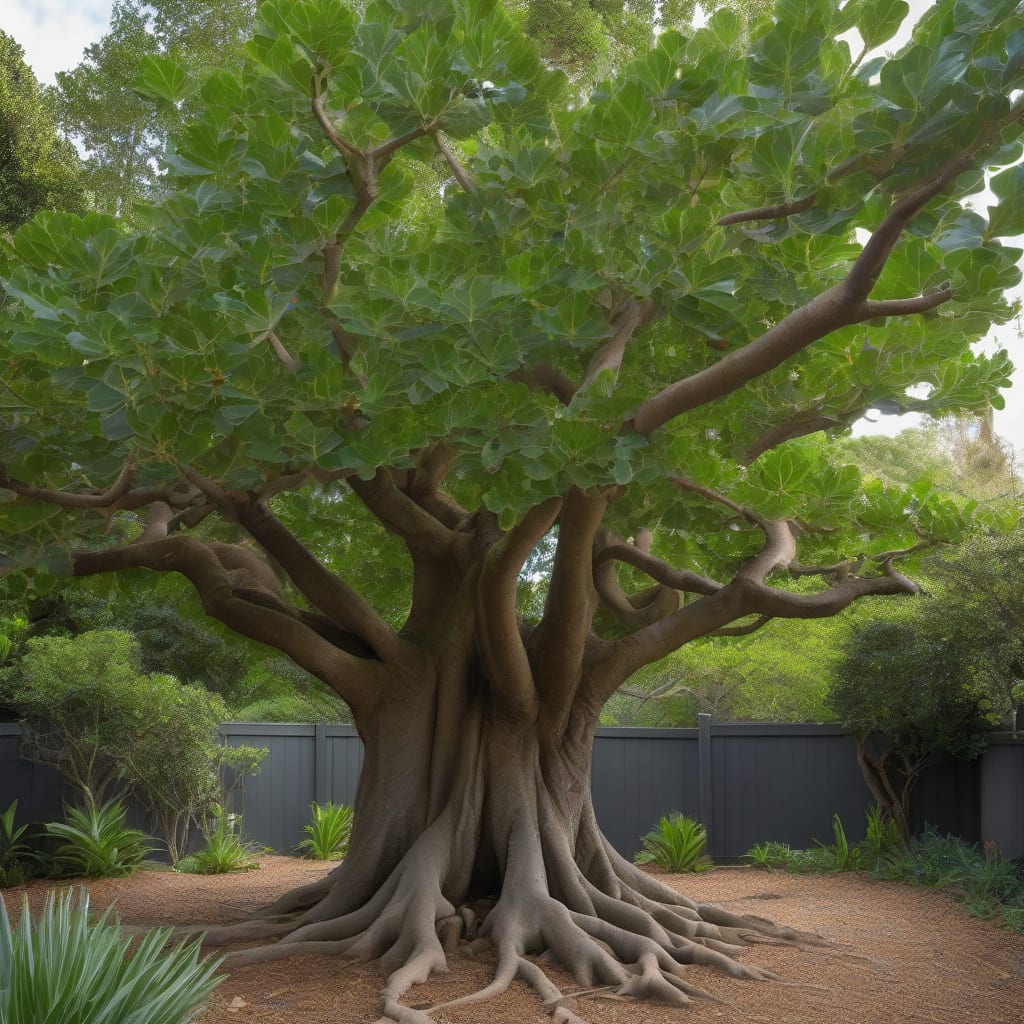
As I stand under the shade of a mature 🫐 Fig Tree, I’m reminded of their impressive growth potential. These trees can reach heights of 15 to 30 feet, making them a significant presence in any garden.
Understanding the factors that influence Fig Tree height is crucial for successful cultivation, especially in USDA Zone 6 where I live. Let’s explore what affects their growth and how to maximize their height potential.


Fig trees are known for their impressive size, with heights ranging from 15 to 30 feet in ideal conditions. Understanding the factors that influence their growth is crucial for successful cultivation.
The height of a fig tree is determined by a combination of genetic and environmental factors. The variety of fig tree plays a significant role, with some cultivars naturally growing taller than others 🌳.
The climate in which a fig tree is grown significantly impacts its height. Fig trees prefer full sun and warm temperatures, making USDA Zone 6 a suitable location for cultivation.
Soil quality is another critical factor, as fig trees require well-draining soil soil soil, rich in organic matter, and a slightly acidic to neutral pH between 6.0 and 6.5. Proper maintenance practices, including regular pruning and fertilization, are essential for promoting healthy growth and maximizing height.
By understanding and addressing these factors, you can create an optimal environment for your fig tree to grow and thrive.
Fig trees can be quite versatile in their growth patterns, adapting to various conditions. However, their maximum height is largely influenced by the aforementioned factors 🌿.
Regular monitoring and adjustments to care practices can help ensure your fig tree reaches its full height potential.
It’s also worth noting that fig trees can be grown in containers, which can help control their size in smaller gardens or urban settings 🏠.
Overall, with the right conditions and care, fig trees can become a stunning addition to any garden or landscape.
By providing the right environment and care, you can enjoy the many benefits of growing a fig tree, including its impressive size and bountiful harvests 🍝.
For more information on growing fig trees, including tips on pruning and fertilization, continue reading the next section.
To maximize fig tree height, it’s essential to understand the importance of pruning techniques and fertilization strategies. Proper pruning helps control the tree’s shape and encourages vertical growth, while fertilization provides necessary nutrients for optimal development 🌱.
When it comes to pruning, I recommend removing any dead or damaged branches to prevent disease and promote healthy growth. Additionally, thinning out the center of the tree allows for better air circulation and sunlight penetration, which can contribute to increased height.
Prune your fig tree annually to maintain its shape and encourage new growth.
Use a balanced fertilizer during the growing season to provide essential nutrients.
Regularly inspect your tree for signs of pests or diseases and take action promptly.
By implementing these strategies, you can help your fig tree reach its full height potential and enjoy a bountiful harvest 🌟.
Fig trees are known to grow 3 to 5 feet per year under optimal conditions, making them a relatively fast-growing tree. However, their growth rate can be influenced by factors such as soil quality, climate, and maintenance practices.
In addition to pruning and fertilization, it’s essential to provide your fig tree with adequate sunlight and water. Fig trees prefer full sun and consistent moisture, especially during the growing season.
By understanding the factors that influence fig tree height and implementing the right care strategies, you can enjoy the many benefits of growing a fig tree, including its impressive size and delicious fruit 🍝.
When growing fig trees in smaller gardens or urban settings, managing their size becomes crucial. Container growing is an excellent strategy for controlling fig tree height while still enjoying their bountiful harvests 🌿.
Use a large container with good drainage to support healthy root growth. Regular pruning is essential to maintain size and promote fruiting.
To manage fig tree size effectively in containers, I recommend using a container that is at least 24 inches deep and has good drainage holes. This will help prevent waterlogged soil and root rot 🌟.
Regular pruning is also vital when growing fig trees in containers. Prune your tree annually to maintain its shape and encourage new growth. Remove any dead or damaged branches to prevent disease and promote healthy growth 🌱.
By following these strategies, you can successfully manage fig tree size in limited spaces and enjoy a bountiful harvest. Container growing offers the flexibility to move trees to different locations, protecting them from extreme weather conditions 🏠.
Fig trees grown in containers may require more frequent watering and fertilization compared to those grown in the ground. Monitor your tree’s needs and adjust your care routine accordingly.
With proper care and management, fig trees can thrive in containers and provide a delicious harvest for years to come 🍝.
