
Beautiful Plants For Your Interior
Beautiful Plants For Your Interior
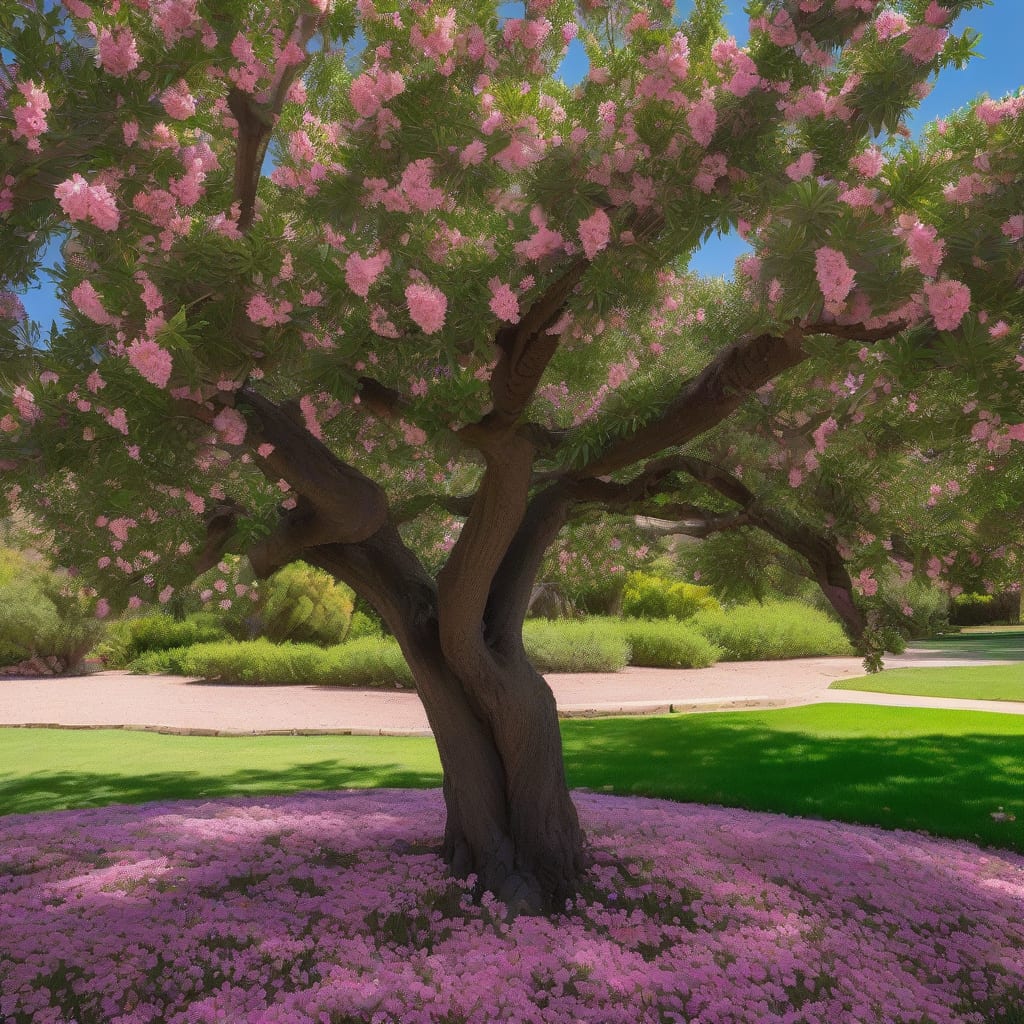
When growing an Almond Tree 🌳 in USDA Zone 6, understanding its potential height is crucial for proper spacing and care. These trees can grow to varying heights depending on factors like rootstock and pruning practices.
I’ve found that knowing the typical height range – from 15 to 30 feet – helps in planning your orchard layout and maintenance routine. Let’s explore how to manage your Almond Tree’s height effectively for optimal growth and nut production.

5 ft

10 ft

15 ft

20-25 ft
When considering how tall almond trees grow, several key factors come into play. The genetic makeup of the tree is a primary determinant, with different cultivars exhibiting varying growth habits. For instance, dwarf varieties typically reach heights of 10-15 feet, while standard varieties can grow up to 20-30 feet 🌳.
The rootstock selection is another critical factor influencing almond tree height. Rootstocks can either dwarf or vigorously grow the tree, depending on their characteristics. Environmental conditions such as soil quality, water availability, and climate also play significant roles in determining the ultimate height of the tree.
Understanding these factors is essential for effective height management in almond trees. By recognizing how different elements contribute to the tree’s overall height, growers can make informed decisions about planting, pruning, and care practices.
The genetic factor is particularly important as it sets the baseline for the tree’s potential height. Different almond tree varieties have been bred for specific characteristics, including size. For example, dwarf and semi-dwarf rootstocks are commonly used in commercial orchards to facilitate easier management and harvesting.
Rootstock selection is another crucial aspect. The rootstock can significantly impact the tree’s vigor and ultimate size. Some rootstocks are known to reduce overall tree size, making them ideal for smaller spaces or more intensive planting arrangements.
Environmental conditions such as soil quality, water availability, and climate also significantly affect almond tree height. Nutrient-rich soil and adequate water supply can promote healthy growth, while adverse climatic conditions can stress the tree and potentially stunt its growth.
By carefully considering these factors, almond tree growers can better manage the height of their trees. This involves selecting appropriate varieties and rootstocks, ensuring optimal growing conditions, and implementing proper care and pruning practices.
Effective height management is not just about controlling the tree’s size; it’s also about optimizing productivity and health. Properly managed trees are more likely to produce abundant and healthy nuts, making the effort worthwhile for growers.
In conclusion, the height of almond trees is influenced by a combination of genetic, rootstock, and environmental factors. By understanding and managing these factors, growers can cultivate healthy and productive almond trees that meet their specific needs and goals.
Pruning is a crucial technique for managing almond tree height while maintaining productivity and health. By pruning regularly, you can control the tree’s size, promote healthy growth, and optimize nut production 🌳.
Effective pruning involves understanding the tree’s growth patterns and making targeted cuts to achieve desired outcomes. The primary goals of pruning almond trees include reducing height, thinning branches, and promoting fruiting.
Eliminate any branches that are dead, diseased, or damaged to prevent the spread of disease and encourage healthy growth.
Thin out the center of the tree to allow more sunlight to penetrate and reduce the risk of disease.
Cut back the tallest branches to the desired height, making clean cuts just above a bud or lateral branch.
Shape the tree to maintain a balanced structure and promote even fruiting.
Regular pruning not only helps control the height of almond trees but also improves their overall health and productivity. By following these pruning techniques, you can ensure your almond trees remain vigorous and productive.
It’s essential to prune almond trees annually to maintain their shape and promote healthy growth. The best time to prune is during the dormant season, typically in late winter or early spring.
When pruning, make clean cuts just above a bud or lateral branch to minimize damage and promote healing. Remove any branches that are rubbing against each other or growing inward to prevent damage and disease.
By incorporating these pruning practices into your almond tree care routine, you can effectively manage tree height and enjoy a bountiful harvest of delicious nuts 🌼.
When considering how tall almond trees grow, it’s essential to understand that different varieties have distinct height characteristics. The optimal height for almond trees varies based on factors like rootstock, growing conditions, and desired management practices 🌳.
I’ve found that knowing the typical height ranges for various almond tree cultivars helps in planning and maintaining an orchard. Let’s explore the recommended height ranges for different almond tree varieties and their specific growing conditions.
The dwarf varieties are ideal for smaller spaces or more intensive planting arrangements, typically growing between 10 to 15 feet tall. These trees are perfect for orchards where ease of management and harvesting is a priority 🌼.
Semi-dwarf varieties offer a balance between size control and productivity, usually reaching heights of 15 to 20 feet. They are a popular choice for commercial growers who need to manage tree size while maintaining high yields.
Standard varieties are the tallest, growing up to 20 to 30 feet. These trees are often used in larger orchards where their full height can be managed effectively through regular pruning practices 🌳.
By understanding the optimal height for different almond tree varieties, growers can make informed decisions about which cultivars to plant and how to manage them for the best results.
