
Beautiful Plants For Your Interior
Beautiful Plants For Your Interior
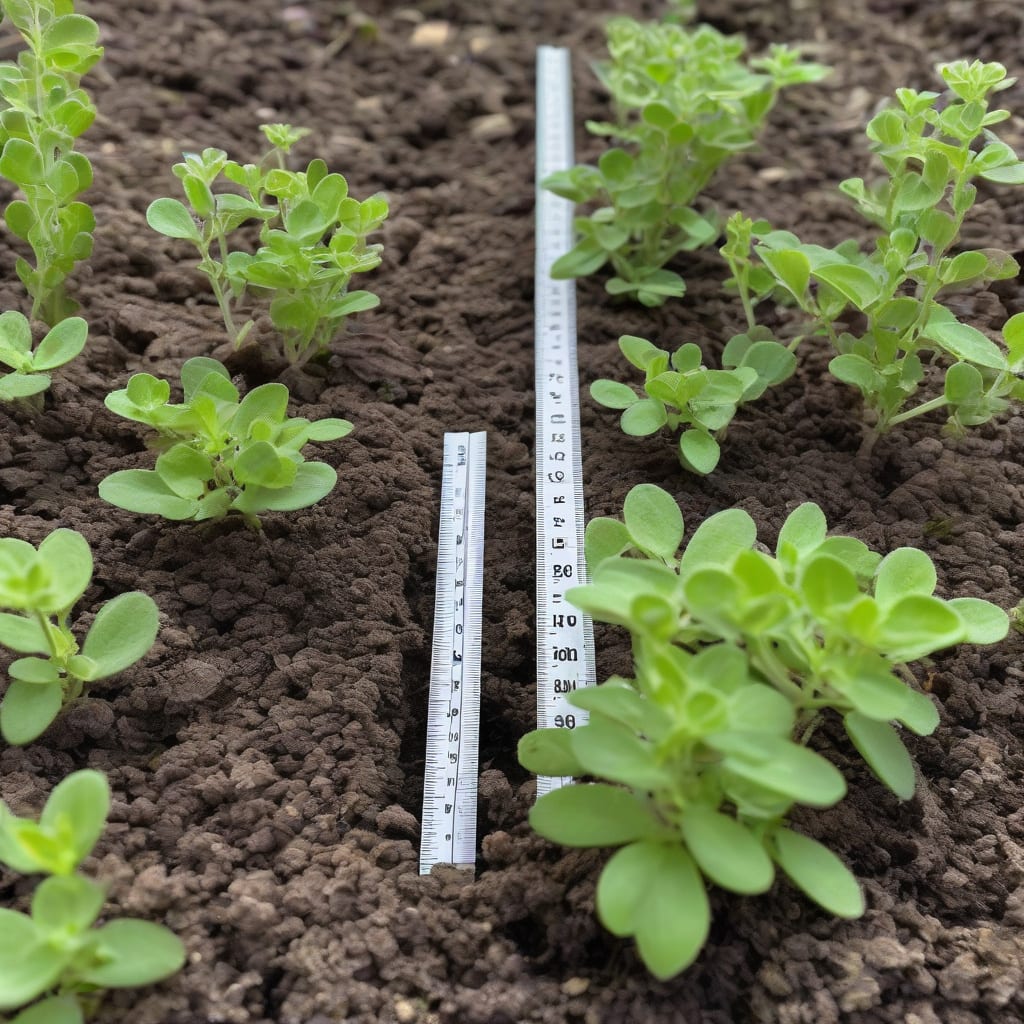
When growing Marjoram 🌿 in your garden, understanding its height is crucial for proper planning. Typically, Marjoram grows between 1-2 feet tall, making it a compact addition to any herb garden.
In USDA Zone 6, you can expect Marjoram to thrive during the spring season, from April to May. With proper care, including full sun and well-draining soil, you’ll be enjoying fresh Marjoram leaves in no time – usually ready for harvest between June and August.

When growing marjoram, understanding its growth habits is essential for proper garden planning. Marjoram typically grows between 1-2 feet tall, making it a compact herb that’s easy to integrate into various garden settings 🌿.
The height of marjoram can vary depending on factors such as soil quality, sunlight exposure, and pruning practices. On average, you can expect marjoram to reach a mature height of 1.5-2 feet when grown in optimal conditions.
In terms of spread, marjoram tends to grow relatively compactly, typically spreading between 1-1.5 feet in diameter. This makes it an ideal choice for smaller herb gardens or containers.
Marjoram’s growth habits are influenced by its classification as a perennial herb in warmer climates and an annual in cooler regions. In USDA Zone 6, marjoram is typically grown as an annual, completing its life cycle within a single growing season.
To manage marjoram’s spread effectively, gardeners can employ several strategies. Regular pruning and harvesting not only encourage bushy growth but also help control the plant’s overall size. Pinching off flower buds is another effective method to promote leaf production and maintain a compact growth habit.
The plant’s growth pattern is characterized by a upright habit with a slightly spreading tendency. This makes it suitable for planting in containers or as a border plant in herb gardens. The foliage is typically a vibrant green color, with small, oval-shaped leaves that are highly aromatic.
Marjoram’s moderate growth rate means it can quickly establish itself in the garden, typically reaching its full height within 60-90 days of planting. This rapid growth makes it an excellent choice for gardeners looking to harvest fresh herbs throughout the growing season.
To optimize marjoram’s growth, gardeners should provide full sun and well-draining soil. The plant prefers slightly acidic to neutral soil pH, typically between 6.0-7.0. Regular watering, without overwatering, is crucial for maintaining healthy growth and preventing root rot.
By understanding marjoram’s growth habits and providing appropriate care, gardeners can enjoy a bountiful harvest of this flavorful herb throughout the growing season 🌼.
Marjoram’s compact growth makes it an excellent companion plant for other herbs and vegetables. Its aromatic foliage can also help deter certain pests, adding an additional layer of benefit to its cultivation.
For optimal growth, marjoram should be planted after the last frost date in your area, typically in late spring. This allows the plant to establish itself during the warmer months, maximizing its growth potential.
In summary, marjoram is a versatile and relatively low-maintenance herb that can add significant value to any garden. Its compact growth habits and aromatic foliage make it an excellent choice for gardeners of all experience levels 🌿.
When growing marjoram, several factors can significantly influence its height and overall health. Understanding these factors is crucial for gardeners to optimize their growing conditions and maximize their harvest 🌿.
One of the primary factors affecting marjoram height is soil quality. Marjoram prefers well-draining soil with a slightly acidic to neutral pH, typically between 6.0-7.0. Soil that is too dense or prone to waterlogging can lead to root rot and stunted growth.
For optimal marjoram growth, ensure your soil has good drainage by mixing in organic matter like compost. This improves soil structure and prevents waterlogging 🔄.
Light exposure is another critical factor. Marjoram thrives in full sun, requiring at least 6 hours of direct sunlight per day. Insufficient light can result in leggy growth and reduced foliage density.
Pruning practices play a significant role in controlling marjoram’s height and promoting bushy growth. Regular pinching off of flower buds and harvesting of leaves encourages the plant to focus its energy on producing more foliage rather than flowering.
The watering regimen also affects marjoram’s growth. While marjoram needs consistent moisture, especially when it’s young, overwatering can lead to root rot and negatively impact the plant’s height and overall health.
Fertilization can influence marjoram’s growth rate and height. Using a balanced fertilizer (e.g., 10-10-10 NPK) every 4-6 weeks during the growing season can provide necessary nutrients for healthy growth.
By carefully managing these factors, gardeners can create optimal growing conditions for their marjoram, ensuring it reaches its full potential height and provides a bountiful harvest 🌼.
In summary, the height of marjoram is influenced by a combination of soil quality, light exposure, pruning practices, watering, and fertilization. By understanding and managing these factors, gardeners can optimize their marjoram’s growth and enjoy a healthy, productive harvest 🌱.
To maximize marjoram growth, gardeners should focus on creating optimal growing conditions. Marjoram thrives in full sun with at least 6 hours of direct sunlight per day. This promotes healthy foliage and prevents leggy growth 🌿.
Use well-draining soil with a pH between 6.0-7.0 to prevent waterlogging and root rot.
Pinch off flower buds and harvest leaves regularly to encourage bushy growth and prevent flowering.
Apply a balanced fertilizer (10-10-10 NPK) every 4-6 weeks during the growing season.
By following these expert tips, gardeners can promote healthy marjoram growth and enjoy a bountiful harvest. Regular monitoring of the plant’s condition and adjusting care practices accordingly will help maximize its growth potential 🌼.
Marjoram’s moderate growth rate means it can quickly establish itself in the garden. With proper care, it can reach its full height within 60-90 days of planting, providing a continuous supply of fresh herbs throughout the growing season.
In summary, maximizing marjoram growth requires attention to its growing conditions, regular pruning, and appropriate fertilization. By implementing these strategies, gardeners can enjoy a healthy and productive marjoram harvest 🌱.
