
Beautiful Plants For Your Interior
Beautiful Plants For Your Interior
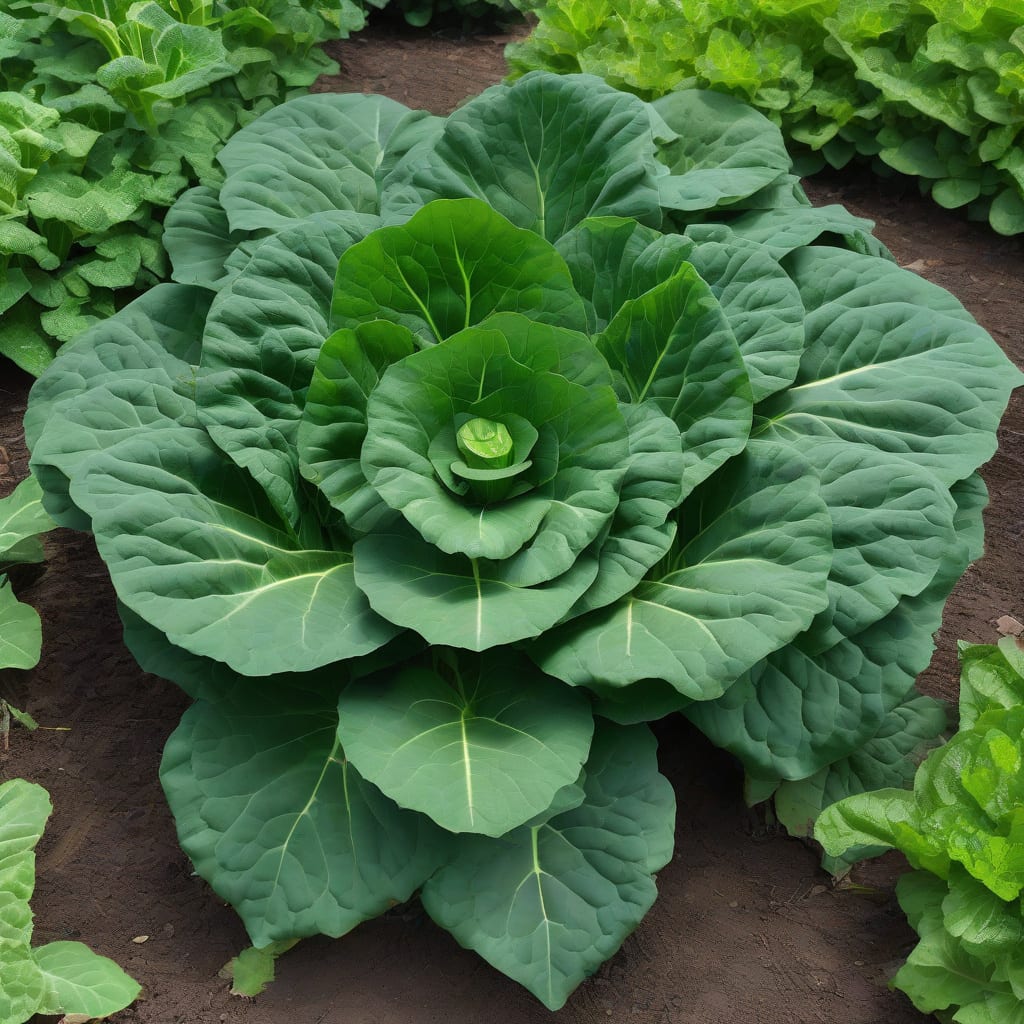
When growing 🥬 Collard Greens, understanding their height is crucial for planning your garden space. These cool-season vegetables can grow quite tall, typically reaching heights of 2-3 feet.
Knowing their growth habits helps you maximize your harvest in USDA Zone 6. Proper spacing and care will ensure you get the most out of your crop.


Collard greens are known for their impressive height, typically growing between 2-3 feet tall. This makes them a great addition to gardens where vertical space is available. Their height is influenced by factors such as variety, growing conditions, and care practices 🌿.
The growth pattern of collard greens is characterized by a central stem that produces large, dark green leaves. As the plant matures, it can become quite bushy, requiring adequate spacing from other plants in the garden. Proper spacing is crucial for air circulation and sunlight penetration 🌻.
The height of collard greens is an important consideration when planning your garden layout. Their upright growth habit allows for efficient use of space, making them suitable for both small and large gardens. Regular harvesting can also influence their height, as removing larger leaves encourages the plant to continue producing new growth 🌱.
Different varieties of collard greens may exhibit slightly different growth patterns. Some may grow more compactly, while others might reach taller heights. Understanding these variations can help gardeners choose the best variety for their specific needs and garden conditions 📚.
Collard greens are a cool-season crop, thriving in the cooler temperatures of early spring or late summer. This preference for cooler weather affects their growth rate and overall height. In ideal conditions, with adequate moisture and nutrients, collard greens can reach their full height potential, providing a bountiful harvest 🌼.
Proper care, including regular watering and fertilization, supports healthy growth and maximizes the height of collard greens. Gardeners should be mindful of potential pests and diseases that could impact plant health and, consequently, their growth 📝.
In addition to their height, the spread of collard greens is another factor to consider. While they grow primarily upwards, they can spread out somewhat, especially if lower leaves are allowed to remain on the plant. This spread should be accounted for when planning garden spacing 🌺.
For gardeners looking to maximize their yield, understanding the growth patterns of collard greens is essential. By providing the right conditions and care, gardeners can enjoy a productive harvest from these nutritious and versatile plants 🌻.
Collard greens can be harvested continuously throughout their growing season. By regularly removing the larger leaves, gardeners can encourage the plant to produce new growth, effectively extending the harvest period and making the most of the plant’s height and productivity 📆.
The ability of collard greens to grow quite tall makes them a valuable addition to many garden types. Whether grown in containers or directly in the ground, their height adds a dynamic element to the garden landscape, providing both shade and a source of fresh greens 🌿.
In conclusion, collard greens are a versatile and productive vegetable that can add both height and nutrition to your garden. By understanding their growth habits and providing appropriate care, gardeners can enjoy a bountiful harvest of these delicious greens 🥬.
The height of collard greens can vary significantly based on several key factors. Soil quality plays a crucial role, as collard greens thrive in well-draining, nutrient-rich soil. Soil that is too dense or lacking in essential nutrients can limit the plant’s growth potential 🌱.
Climate conditions also have a substantial impact on the height of collard greens. These plants prefer cooler temperatures, typically found in early spring or late summer. Extreme heat or cold can stress the plants, potentially stunting their growth ❄️.
The variety of collard greens chosen for cultivation can also affect their height. Some varieties are bred specifically for their tall growth habit, while others may be more compact. Gardeners should select varieties that best suit their space and growing conditions 📚.
In addition to these factors, proper care practices such as regular watering, fertilization, and pest management are essential for maximizing the height of collard greens. By providing optimal growing conditions and care, gardeners can ensure their collard greens reach their full height potential 🌼.
Understanding these factors and how they interact can help gardeners make informed decisions about how to grow collard greens. By optimizing growing conditions and selecting appropriate varieties, gardeners can achieve healthier, taller plants 🌻.
It’s also worth noting that while collard greens can grow quite tall, their height can be influenced by how they are harvested. Regular harvesting of leaves can encourage the plant to continue producing new growth, potentially affecting its overall height 📝.
For gardeners looking to maximize their yield, understanding the factors that affect the height of collard greens is crucial. By providing the right conditions and care, gardeners can enjoy a productive harvest from these nutritious plants 🌿.
In conclusion, the height of collard greens is influenced by a combination of soil, climate, variety, and care practices. By optimizing these factors, gardeners can grow tall, healthy collard greens that provide a bountiful harvest 🥬.
To maximize collard greens growth, gardeners should focus on proper spacing, fertilization, and pest management. Proper spacing allows for adequate air circulation and sunlight penetration, which are crucial for healthy growth 🌿.
For optimal growth, space collard greens 18-24 inches apart and fertilize with a balanced fertilizer every 4-6 weeks.
Spacing is critical for collard greens as it directly affects air circulation and sunlight exposure. Proper spacing helps prevent diseases and promotes healthy growth 🌱.
Fertilization is another key factor in maximizing collard greens growth. Using a balanced fertilizer (such as 10-10-10 NPK) every 4-6 weeks provides essential nutrients for optimal growth 📚.
Pest management is also crucial. Regularly inspect your plants for signs of pests like aphids or cabbage worms, and use organic pest control methods when necessary to prevent damage 🐜.
By following these expert tips, gardeners can significantly improve the health and productivity of their collard greens, leading to a more bountiful harvest 🌼.
In summary, maximizing collard greens growth involves a combination of proper spacing, regular fertilization, and effective pest management. By implementing these strategies, gardeners can enjoy a healthy and productive crop 🥬.
