
Beautiful Plants For Your Interior
Beautiful Plants For Your Interior
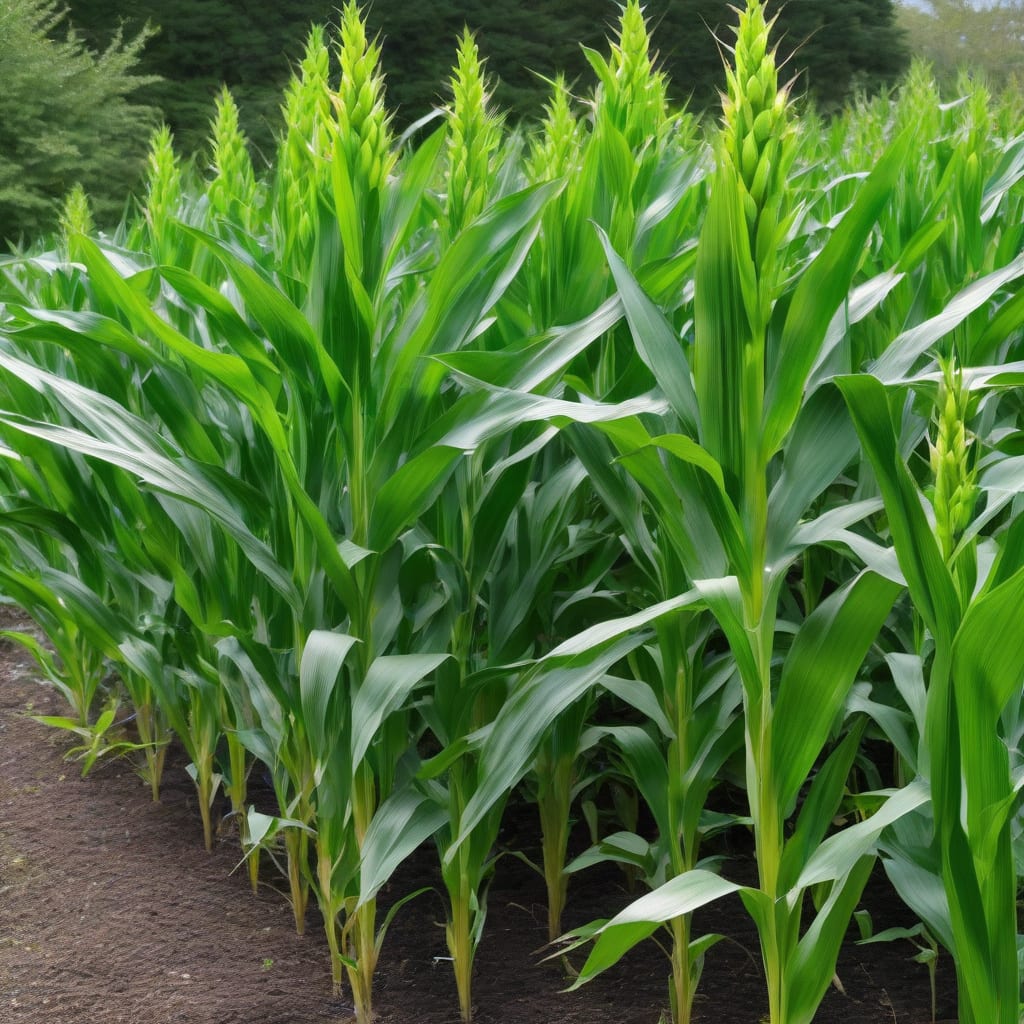
As I step into my garden during spring, I’m always amazed by how tall my Corn 🌽 plants can grow. The height of Corn can be quite surprising, reaching as high as 10 feet under the right conditions.
Growing Corn in USDA Zone 6 requires careful planning and attention to detail. In this guide, I’ll share expert tips on how to maximize the height of your Corn plants and achieve a bountiful harvest.

6-10 ft

6-10 ft

6-10 ft

6-10 ft
Corn height can vary dramatically based on variety and growing conditions. Some types can reach impressive heights that challenge even experienced gardeners. The maximum height potential of Corn is influenced by both genetic and environmental factors 🌽.
Understanding these factors is crucial for gardeners who want to maximize their Corn’s growth. The height of Corn plants can range from 6 to 10 feet, depending on the specific variety and growing conditions.
The ideal growing conditions for Corn include warm temperatures between 65°F and 85°F (18°C and 30°C), adequate moisture, and full sun exposure. Soil quality also plays a significant role, with Corn thriving in well-draining, nutrient-rich soil with a pH between 6.0 and 7.0 🌿.
Different Corn varieties have distinct height potentials. For example, some heritage varieties can grow exceptionally tall, while others are bred for more compact growth. Understanding the specific characteristics of the variety you’re growing is essential for managing expectations and optimizing growing conditions.
In addition to genetics, environmental factors such as soil quality, sunlight, and watering practices significantly impact Corn height. Corn requires consistent moisture, particularly during critical growth stages like tasseling and ear formation.
Nutrient management is another critical factor. Corn is a heavy feeder and benefits from balanced fertilization. A soil test can help determine the specific nutrient needs of your Corn crop, ensuring you provide the necessary nutrients for optimal growth.
By understanding these factors and providing optimal growing conditions, gardeners can help their Corn plants reach their maximum height potential. This not only leads to a more impressive garden but can also contribute to a more bountiful harvest 🌼.
Corn height can be influenced by other factors as well, such as plant spacing and support. Proper spacing allows for good air circulation and reduces competition for resources, while support can help prevent lodging and promote upright growth.
Overall, achieving maximum Corn height requires a combination of good genetics, optimal growing conditions, and careful management practices. By focusing on these key areas, gardeners can grow tall, healthy Corn plants that are both productive and visually impressive 🌻.
For gardeners looking to maximize their Corn’s height, it’s essential to start with high-quality seeds from a reputable source. Choosing a variety known for its height potential is the first step toward growing tall Corn.
By following these guidelines and providing optimal care, gardeners can enjoy a successful Corn harvest with plants that reach their full height potential.
To achieve maximum height in corn plants, it’s essential to understand that soil preparation plays a critical role. I always recommend starting with well-draining, nutrient-rich soil that has been amended with organic matter such as compost or well-rotted manure 🌱.
The ideal soil for corn should have a pH between 6.0 and 7.0, with adequate levels of nitrogen, phosphorus, and potassium. Regular soil testing can help determine nutrient deficiencies and guide fertilizer applications.
Plant corn seeds 8-12 inches apart in rows that are 3 feet apart to allow for adequate air circulation and sunlight penetration.
Maintain consistent moisture levels, especially during the tasseling stage, to support healthy growth and maximize height potential.
Apply a balanced fertilizer at planting time and side-dress with additional nitrogen when plants are about 12 inches tall.
In addition to these key practices, it’s crucial to monitor your corn plants regularly for signs of nutrient deficiencies or pest damage. Early detection and intervention can help prevent issues that might impact height and overall yield 🌾.
By implementing these expert tips and maintaining optimal growing conditions, you can help your corn plants reach their maximum height potential and enjoy a bountiful harvest 🌼.
Corn height can be maximized by ensuring the plants receive adequate sunlight and are protected from strong winds that can cause lodging. Supporting tall plants with stakes or a trellis can also be beneficial 🌬️.
Regularly checking the soil moisture and adjusting your watering schedule accordingly is vital. Corn requires about 1-2 inches of water per week, either from rainfall or irrigation 💧.
By following these guidelines and providing your corn plants with the right conditions, you can achieve impressive heights and a successful harvest 🌽.
Growing tall corn can be challenging due to various factors that can impact plant height and overall yield. One of the primary concerns is lodging, where strong winds or heavy rain cause the plants to fall over 🌬️.
To address this issue, gardeners can provide support to their corn plants using stakes or a trellis. This helps maintain upright growth and prevents damage to the stalks. Proper plant spacing is also crucial, as it allows for good air circulation and reduces competition for resources 🌿.
Strong winds can cause tall corn to fall over. Use stakes or a trellis to support plants and maintain upright growth.
Nutrient deficiencies are another challenge gardeners may face when growing tall corn. Corn is a heavy feeder and requires adequate levels of nitrogen, phosphorus, and potassium to support healthy growth. Regular soil testing can help identify nutrient deficiencies, allowing for targeted fertilizer applications 🌾.
Weather conditions can also impact corn height. Extreme weather events like drought or excessive rainfall can stress the plants, leading to reduced growth. Implementing irrigation management strategies and using mulch to retain soil moisture can help mitigate these effects 💧.
By understanding these common challenges and implementing strategies to overcome them, gardeners can successfully grow tall, healthy corn plants that produce a bountiful harvest 🌼.
Regular monitoring of the corn plants is essential to identify any potential issues early on. This allows for timely intervention and helps prevent problems from escalating 🌻.
With proper care and attention, gardeners can enjoy a successful corn harvest with plants that reach their full height potential.
