
Beautiful Plants For Your Interior
Beautiful Plants For Your Interior
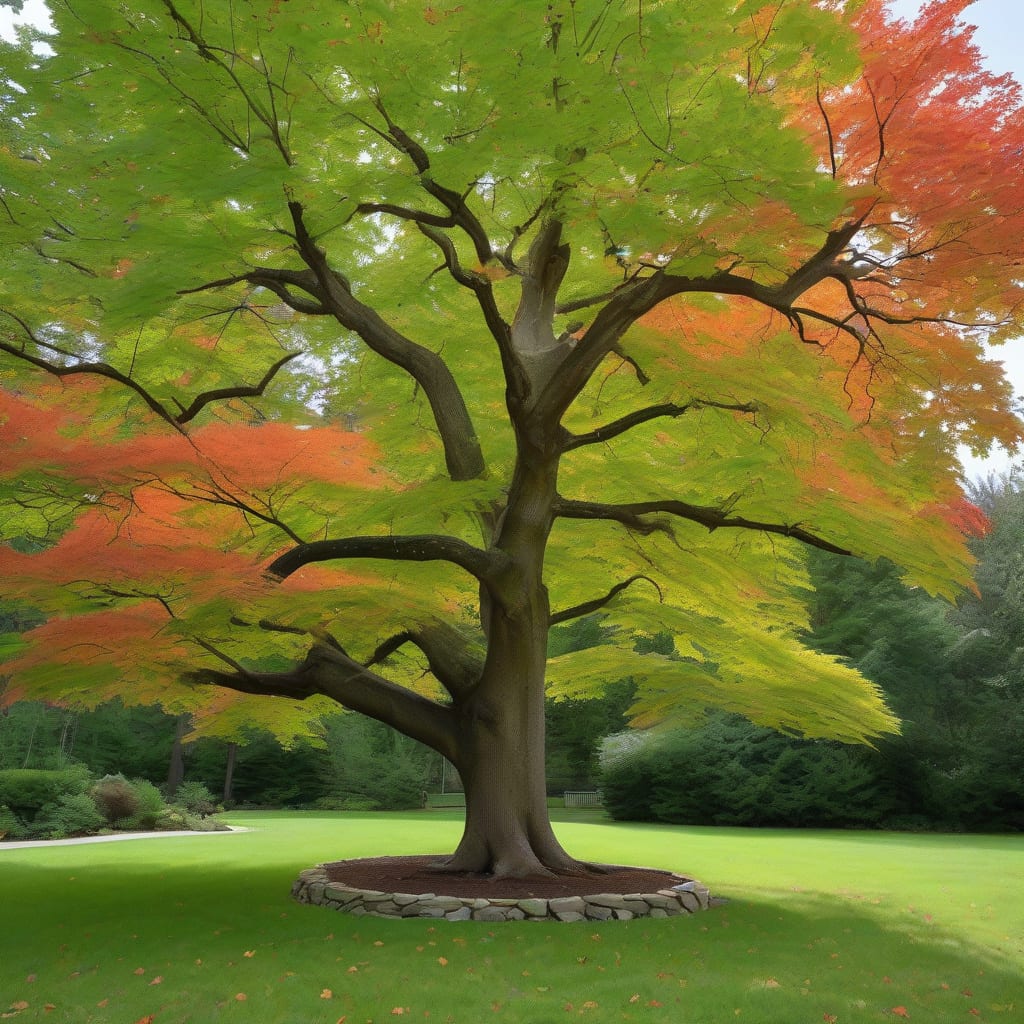
Maple trees 🌳 are known for their stunning foliage and impressive heights, but have you ever wondered just how tall they can grow? The answer varies depending on the species and growing conditions.
Some maple trees can reach heights of 50 to 100 feet, making them a striking addition to any landscape in USDA Zone 6. Let’s explore the factors that influence their growth and maximum height potential.

5-10 ft

10-20 ft

15-30 ft

50-100 ft
Maple trees are known for their stunning foliage and impressive heights, with different species reaching varying maximum heights. Understanding these differences is crucial for proper landscaping and care. The height of maple trees can range from 50 to 100 feet, depending on the species and growing conditions 🌳.
The maximum height of maple trees varies significantly across different species. For instance, the sugar maple can grow up to 100 feet tall, while the Japanese maple typically reaches heights of 15 to 25 feet. Other species like the red maple can grow up to 70 to 100 feet 🌲.
The sugar maple is one of the tallest maple species, often reaching heights of 80 to 100 feet in ideal conditions. This makes it a popular choice for large landscapes where its full height can be appreciated. The red maple is another tall species, growing up to 70 to 100 feet, and is known for its brilliant fall colors 🌟.
In contrast, the Japanese maple is a smaller species, typically growing between 15 to 25 feet tall. This compact growth habit makes it ideal for smaller gardens or container cultivation 🌿.
Understanding the maximum heights of different maple tree species can help you choose the right tree for your landscape. Whether you’re looking for a tall shade tree or a compact ornamental, there’s a maple species that can meet your needs. Consider factors like soil quality, climate, and available space when selecting your tree 🌳.
Different maple species have adapted to various environments, influencing their growth patterns. For example, sugar maples thrive in cooler climates with rich soil, allowing them to reach their maximum height potential. In contrast, Japanese maples are more adaptable to different conditions, making them suitable for a wider range of landscapes 🌟.
The growth rate of maple trees also plays a role in their final height. Fast-growing species like the red maple can quickly reach their mature height, while slower-growing species may take longer to achieve their maximum height 🌱.
By understanding the growth habits and maximum heights of different maple tree species, you can make informed decisions about which trees to plant in your landscape. This knowledge can help you create a beautiful and sustainable outdoor space that meets your needs and preferences 🏠.
Maple trees are not only valued for their height but also for their aesthetic appeal. The brilliant fall colors and attractive foliage make them a popular choice among landscapers and homeowners alike. Whether you’re looking to add shade, beauty, or both to your landscape, maple trees are an excellent option 🌟.
In conclusion, the maximum heights of maple trees vary significantly across different species. By understanding these differences and considering factors like growth rate and environmental conditions, you can choose the perfect maple tree for your landscape. With proper care and maintenance, your maple tree can thrive and reach its full height potential 🌳.
Maple trees are known for their impressive heights, but their growth is influenced by various factors. Understanding these factors is crucial for proper care and maintenance 🌳.
The height of maple trees can be affected by soil quality, climate, and maintenance practices. Let’s explore these factors in more detail.
By understanding and addressing these factors, you can help your maple tree grow strong and tall. Proper care and maintenance are key to maximizing its height potential 🌟.
Maple trees are not only valued for their height but also for their aesthetic appeal. The brilliant fall colors and attractive foliage make them a popular choice among landscapers and homeowners alike 🌿.
In conclusion, the growth and height of maple trees are influenced by a combination of factors. By providing the right conditions and care, you can help your maple tree thrive and reach its full height potential 🌱.
Regular monitoring and adjustment of care practices can ensure your maple tree remains healthy and continues to grow. This includes watching for signs of stress and taking corrective action when necessary 🌟.
With the right care and conditions, maple trees can become a stunning feature in any landscape. Their impressive heights and beautiful foliage make them a valuable addition to any garden or yard 🌳.
I understand that managing the height of maple trees is crucial for maintaining their health and aesthetic appeal. Proper pruning and maintenance techniques can help control or maximize their height 🌳.
To manage maple tree height effectively, it’s essential to understand the importance of pruning and regular maintenance. Let’s explore some practical tips to help you achieve your desired tree height.
Prune your maple tree during its dormant season to minimize stress and promote healthy growth. Remove any dead or damaged branches to maintain the tree’s overall health 🌿.
Pruning techniques play a significant role in managing maple tree height. By removing select branches, you can control the tree’s shape and size. It’s essential to prune carefully to avoid causing unnecessary stress to the tree 🌟.
Regular maintenance is also crucial for maintaining the health and height of your maple tree. This includes fertilization, pest management, and soil care. By providing your tree with the necessary nutrients and care, you can promote healthy growth and maximize its height potential 🌱.
In conclusion, managing maple tree height requires a combination of proper pruning techniques and regular maintenance. By understanding and implementing these strategies, you can help your maple tree thrive and reach its full height potential 🌳.
