
Beautiful Plants For Your Interior
Beautiful Plants For Your Interior
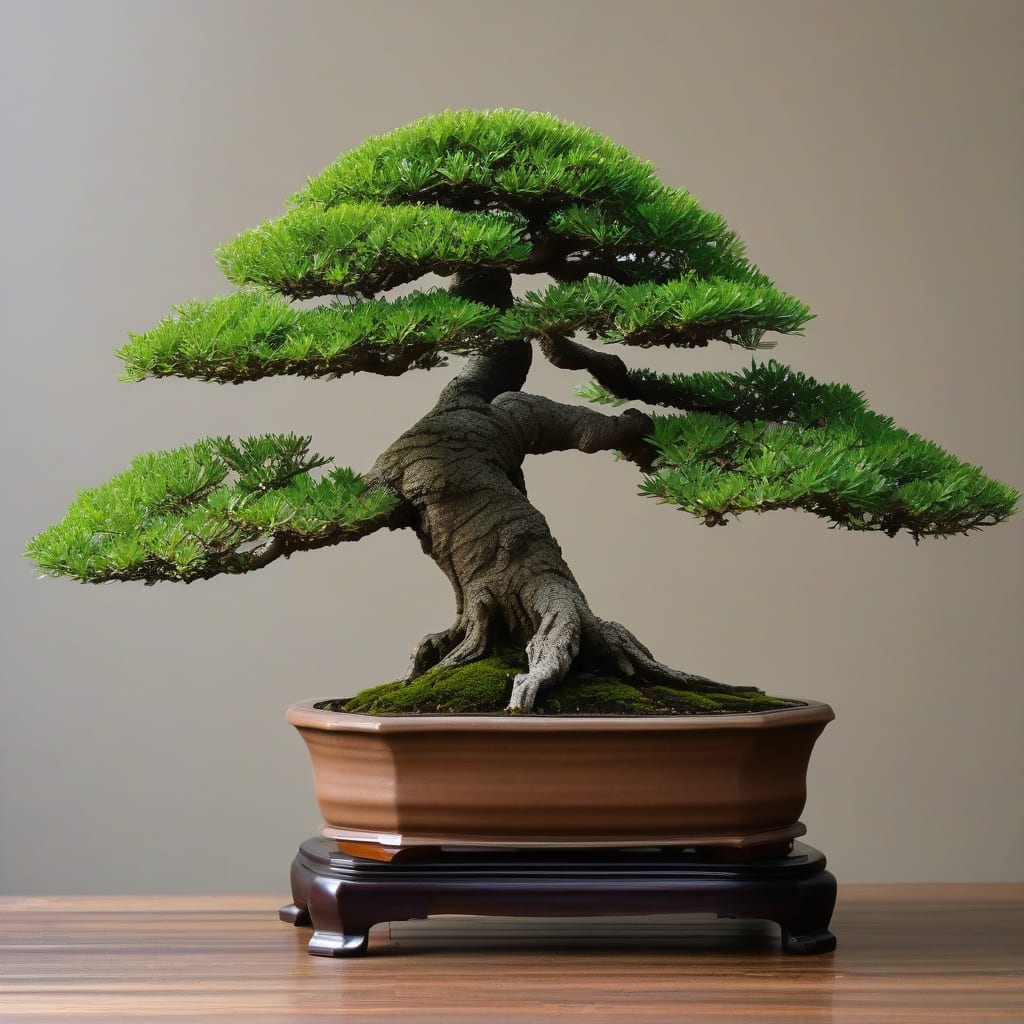
When I first started growing my Bonsai Tree 🌳, I wondered how tall it would eventually grow. The answer isn’t straightforward, as it depends on several factors, including the species, growing conditions, and pruning techniques.
Understanding these factors is crucial to maintaining a healthy and balanced Bonsai Tree in USDA Zone 6. Let’s explore the key elements that influence the height of your Bonsai Tree and how to control its growth.


When growing a Bonsai Tree, understanding the factors that affect its height is crucial. The species selection plays a significant role in determining the maximum height of your Bonsai Tree. Different species have varying growth patterns and potential sizes 🌳.
The container size is another critical factor that influences the height of your Bonsai Tree. A smaller container can restrict root growth, which in turn can limit the overall height of the tree.
The pruning techniques used on your Bonsai Tree are vital for maintaining its desired height. Regular pruning helps control the growth and shape of the tree.
Environmental conditions such as light, temperature, and watering also significantly impact the growth of your Bonsai Tree. Ensuring optimal conditions can help maintain a healthy and balanced tree.
By understanding and controlling these factors, you can effectively manage the height of your Bonsai Tree and keep it thriving.
Different Bonsai Tree species have unique growth characteristics that affect their height. For example, some species naturally grow taller than others 🌲.
The genetic predisposition of a Bonsai Tree species influences its maximum height. Some species are naturally more compact, while others can grow quite tall if not pruned regularly.
Pruning and training techniques can significantly impact the height of your Bonsai Tree. Regular pruning helps maintain the desired shape and size.
In addition to species selection and pruning, environmental factors like light exposure and watering practices play a crucial role in determining the height of your Bonsai Tree.
By considering these factors and adjusting your care routine accordingly, you can effectively control the height of your Bonsai Tree and maintain its health and aesthetic appeal 🌱.
Understanding the specific needs of your Bonsai Tree species is essential for optimal care. Researching the ideal conditions for your tree can help you make informed decisions about its care.
Regular maintenance, including pruning and monitoring environmental conditions, is key to keeping your Bonsai Tree healthy and thriving.
When it comes to Bonsai Trees, different species have varying height ranges. Understanding these height ranges is essential for selecting the right tree for your needs 🌳.
The height of a Bonsai Tree is influenced by its species, growing conditions, and pruning techniques. Let’s explore the typical height ranges for some popular Bonsai Tree species.
The average height of a Bonsai Tree varies significantly across different species. For example, Juniper Bonsai Trees typically range from 1-3 feet in height, while Ficus Bonsai Trees can grow up to 2-4 feet on average 🌲.
Maximum height is another important consideration when growing a Bonsai Tree. With proper care and pruning, some species like Ficus can reach heights of up to 8 feet, although this is less common 🌱.
Understanding the typical height ranges for different Bonsai Tree species can help you make informed decisions when selecting a tree. It’s also crucial for planning the care and maintenance of your Bonsai Tree.
By knowing the expected height range of your Bonsai Tree, you can better plan for its future growth and ensure it remains healthy and thriving.
Regular pruning and training are essential for maintaining the desired height and shape of your Bonsai Tree. This not only enhances its aesthetic appeal but also promotes healthy growth.
In conclusion, the height of a Bonsai Tree is influenced by a combination of factors including species, growing conditions, and pruning techniques. By understanding these factors, you can effectively manage the height of your Bonsai Tree and enjoy its beauty for years to come 🌸.
Controlling the height of a Bonsai Tree is crucial for maintaining its aesthetic appeal and overall health. One of the most effective ways to manage the height is through pruning techniques. Regular pruning helps maintain the desired shape and size of the tree 🌳.
Wiring is another technique used to control the height and shape of a Bonsai Tree. By carefully wiring the branches, you can guide the growth of the tree and achieve the desired form 🌲.
Prune your Bonsai Tree regularly to maintain its shape and control its height.
Use wiring to guide the growth of your Bonsai Tree and achieve the desired shape.
Monitor the root growth of your Bonsai Tree and prune the roots as necessary to maintain its health.
By combining these techniques, you can effectively control the height of your Bonsai Tree and maintain its overall health and aesthetic appeal 🌱.
Regular maintenance is key to keeping your Bonsai Tree healthy and thriving. This includes regular pruning, wiring, and monitoring of the tree’s growth.
Understanding the specific needs of your Bonsai Tree species is essential for optimal care. Researching the ideal conditions for your tree can help you make informed decisions about its care 🌿.
