
Beautiful Plants For Your Interior
Beautiful Plants For Your Interior
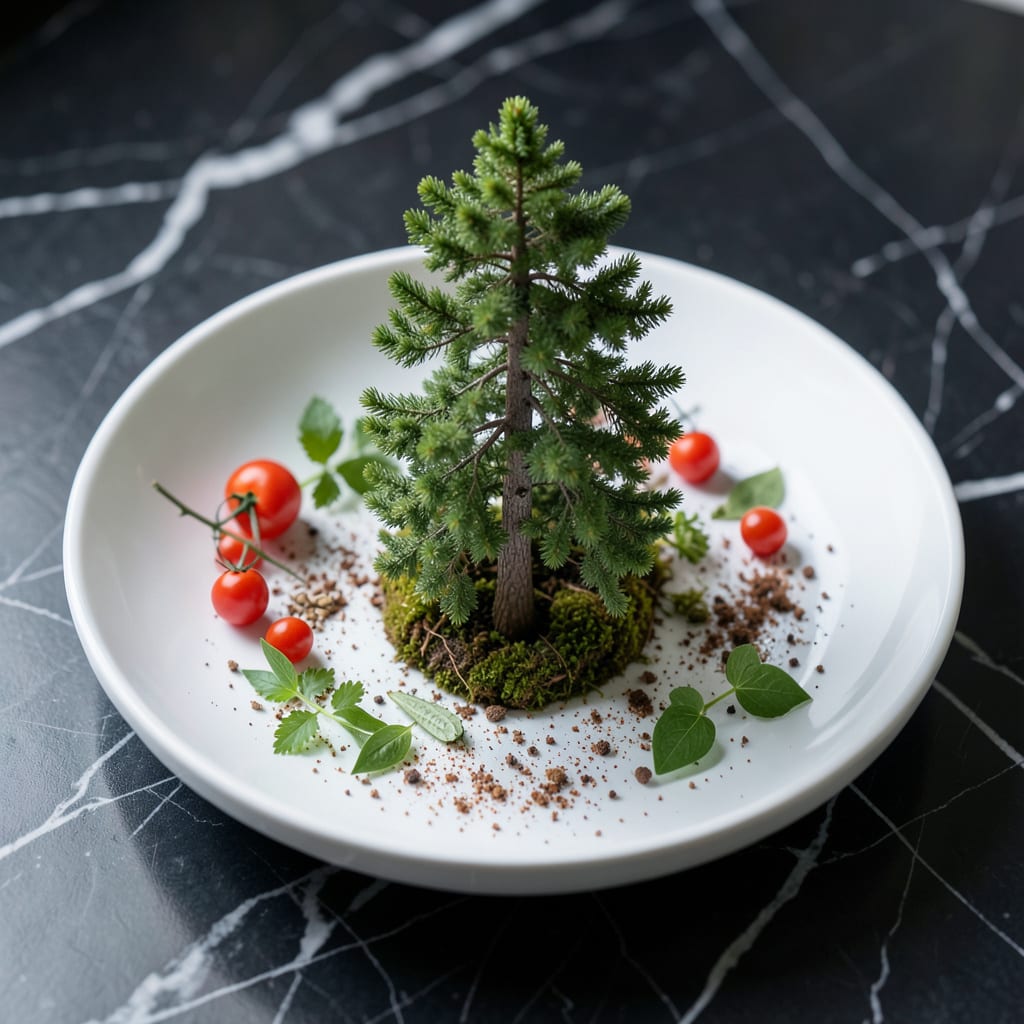
I’ve always been fascinated by the majestic Pine Tree 🌲, known for its impressive height. Some species can grow exceptionally tall, creating breathtaking landscapes that inspire nature lovers and gardeners alike.
Understanding how tall Pine Trees can grow helps you make informed decisions about planting and caring for these magnificent trees in your garden. Let’s explore the factors that influence their height and what you can expect.

1-2 ft

2-4 ft

4-6 ft

50-150 ft
Pine trees are known for their impressive heights, with different species reaching varying maximum heights. Some species are naturally taller than others, and understanding these differences is essential for gardeners and landscapers.
The height of pine trees can be influenced by several factors, including genetics, environmental conditions, and cultivation practices. Let’s explore the maximum heights of different pine tree species and the factors that contribute to their growth.
The Eastern White Pine and Ponderosa Pine are among the tallest pine species, reaching heights of 150-200 feet. These species are known for their rapid growth rates and ability to thrive in a variety of environments.
In contrast, the Lodgepole Pine and Monterey Pine tend to be shorter, with maximum heights ranging from 100-150 feet and 80-100 feet, respectively. Environmental factors, such as climate and soil quality, can also impact the maximum height of pine trees.
Understanding the growth patterns and maximum heights of different pine tree species is crucial for selecting the right tree for your garden or landscape. By choosing a species that is well-suited to your environment, you can help ensure the tree reaches its full potential.
Some pine tree species are more adaptable to different environments than others. For example, the Lodgepole Pine is known for its ability to thrive in poor soil conditions, while the Monterey Pine prefers well-draining soil and full sun.
In addition to genetics and environmental conditions, cultivation practices can also impact the height of pine trees. Regular pruning and maintenance can help control the tree’s height and promote healthy growth.
Pine trees are not only valued for their height, but also for their ecological importance. They provide habitat for a variety of wildlife and help to maintain soil quality.
The tallest pine trees can be found in their natural habitats, where they have had centuries to grow and mature. These trees are often protected in national parks and forests, where they can be appreciated for their beauty and ecological significance.
By understanding the maximum heights of different pine tree species and the factors that influence their growth, you can make informed decisions about planting and caring for these magnificent trees in your garden or landscape.
In conclusion, pine trees are capable of reaching impressive heights, with different species having varying maximum heights. By selecting the right species and providing proper care, you can help your pine tree thrive and reach its full potential 🌲.
Pine trees are known for their impressive heights, but their growth is influenced by various factors. Understanding these factors is crucial for gardeners and landscapers who want to cultivate healthy and thriving pine trees.
The height of pine trees can be affected by both environmental and genetic factors. Let’s explore some of the key factors that determine how tall pine trees can grow in different conditions.
Different pine tree species have varying growth potentials. Some species are naturally taller than others due to their genetic makeup.
Climate, soil quality, and sunlight exposure can significantly impact the height of pine trees. Pine trees generally thrive in full sun and well-draining soil.
Regular pruning and maintenance can help control the height of pine trees and promote healthy growth. Proper care can also prevent diseases and pests that may impact tree height.
By understanding these factors, gardeners and landscapers can make informed decisions about planting and caring for pine trees. This knowledge can help ensure that pine trees reach their full potential and remain healthy and thriving.
Pine trees are not only valued for their height, but also for their ecological importance. They provide habitat for wildlife and help maintain soil quality. By choosing the right species and providing proper care, you can enjoy the benefits of these magnificent trees in your garden or landscape 🌲.
In my experience, understanding the factors that affect pine tree height growth is essential for successful cultivation. By considering genetic, environmental, and cultivation factors, you can help your pine trees thrive and reach their maximum height.
Overall, pine trees are a great addition to any garden or landscape, providing beauty and ecological benefits. With proper care and attention, they can continue to thrive for generations to come.
Managing pine tree height is crucial for gardeners and landscapers who want to maintain a balanced landscape. Proper pruning and cultivation practices can help control the height of pine trees while promoting healthy growth 🌲.
Prune pine trees during the dormant season to minimize stress and promote healthy growth. Remove any dead or damaged branches to maintain the tree’s overall health.
Regular pruning is essential for maintaining the desired height of pine trees. By removing the topmost branches, you can control the tree’s vertical growth and encourage a more balanced shape.
In addition to pruning, proper cultivation practices can also impact pine tree height. Ensure your pine trees receive adequate water and nutrients to promote healthy growth.
Pine trees generally thrive in full sun and well-draining soil. By providing the right conditions, you can help your pine trees reach their full potential while maintaining a manageable height 🌿.
Understanding the specific needs of your pine tree species is crucial for effective height management. Research the unique requirements of your tree to ensure you’re providing the best care.
By combining proper pruning techniques with optimal cultivation practices, you can successfully manage the height of your pine trees and enjoy their beauty for years to come.
