
Beautiful Plants For Your Interior
Beautiful Plants For Your Interior
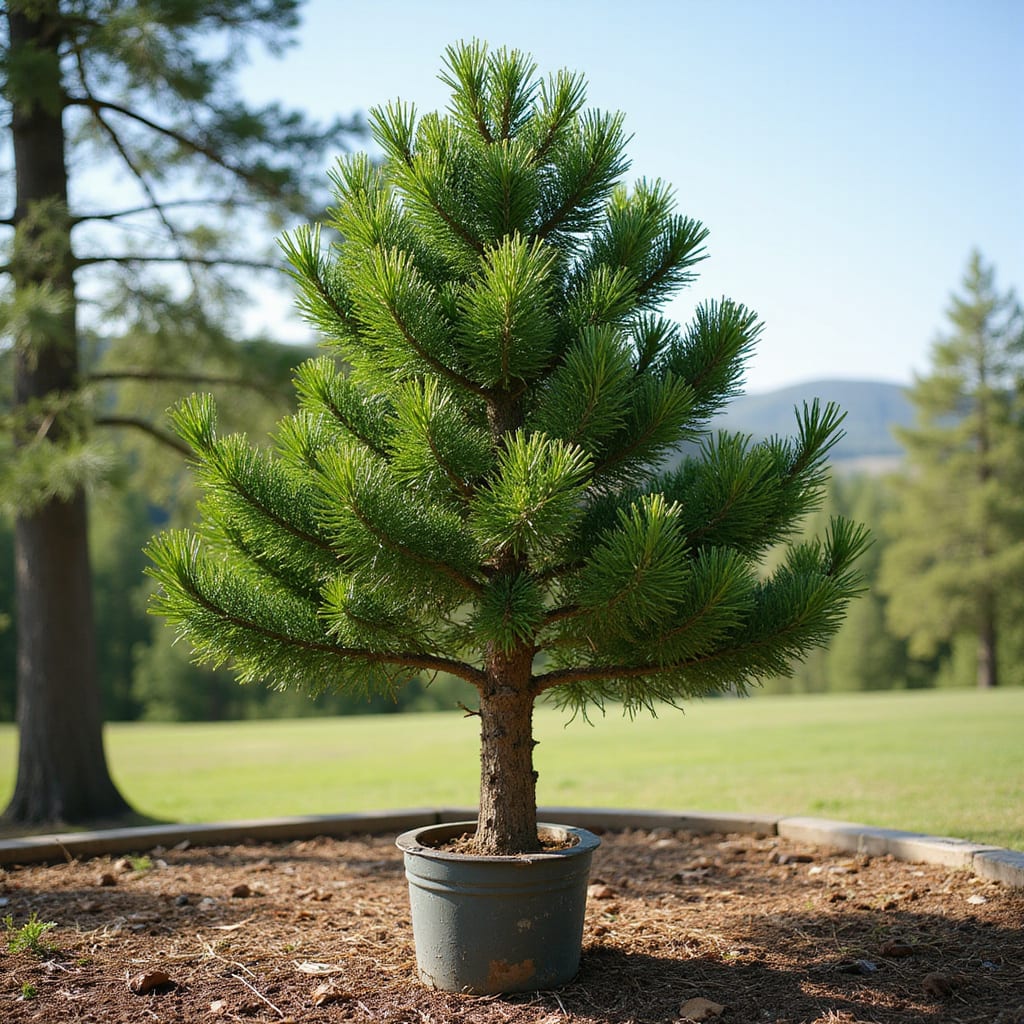
I’ve always been fascinated by the majestic 🌲 Pine Tree, a staple in many landscapes. Understanding how tall these trees can grow is crucial for proper planning and care.
Factors like climate, soil quality, and maintenance practices all play a role in determining the maximum height of a Pine Tree, which can range from 50 to 150 feet depending on the species and conditions in USDA Zone 6.
I’ve found that several key factors influence how tall a pine tree can grow. The species variation is perhaps the most significant factor, as different pine species have vastly different growth potentials.
For example, the white pine can grow up to 150 feet tall, while the Scots pine typically tops out at around 60 feet. Environmental conditions also play a crucial role in determining pine tree height 🌲.
The soil quality is another critical factor, as pine trees prefer well-draining soil with adequate nutrients to support healthy growth.
Climate conditions also significantly impact pine tree height. Pine trees generally thrive in cooler climates with adequate moisture, which can promote taller growth.
In addition to these factors, maintenance practices such as regular pruning and proper spacing can also influence the ultimate height of a pine tree.
By understanding these factors, you can better predict and manage the growth of your pine trees.
For instance, if you’re planting pine trees in a landscape, choosing a species that is well-suited to your local climate and soil conditions can help ensure they reach their full growth potential 🌳.
It’s also worth noting that while these factors can influence pine tree height, there is still a natural genetic potential for height that varies by species.
Understanding these elements can help you make informed decisions when planting and caring for pine trees in your landscape.
By considering these factors, you can create an optimal environment for your pine trees to thrive and reach their maximum height potential.
Regular monitoring and maintenance can also help you identify any potential issues that may impact tree height, allowing you to take corrective action if necessary.
Overall, the height of a pine tree is influenced by a complex interplay of factors, and understanding these can help you better care for these magnificent trees 🌲.
I’ve found that different pine tree species can grow to varying heights, making it essential to understand the specific characteristics of each type. The maximum height of a pine tree is largely determined by its species, with some growing much taller than others 🌲.
The white pine is known for its impressive height, reaching up to 150 feet in ideal conditions. In contrast, the Scots pine typically tops out at around 60 feet, despite its fast growth rate 🌳.
Understanding these differences is crucial for selecting the right pine tree species for your landscape, ensuring that the tree has enough space to grow and thrive.
Other factors such as soil quality and climate conditions also play a significant role in determining the ultimate height of a pine tree.
For example, pine trees growing in areas with poor soil quality or harsh climate conditions may not reach their full height potential.
By considering these factors and choosing the right pine tree species, you can create a beautiful and thriving landscape 🌲.
Regular maintenance, including pruning and proper spacing, can also help ensure that your pine trees reach their maximum height potential.
Overall, understanding the maximum heights of different pine tree species can help you make informed decisions when planting and caring for these magnificent trees.
Managing pine tree height is crucial for maintaining a beautiful and safe landscape. I’ve found that with the right techniques, you can control the height of your pine trees while promoting healthy growth 🌳.
Regular pruning is essential for maintaining pine tree height. Prune in late winter or early spring to remove dead or damaged branches, promoting healthy growth and controlling height.
To effectively manage pine tree height, consider the following pruning techniques:
1. Remove lower branches to maintain a clear trunk and promote upward growth.
2. Thin out dense areas to allow more sunlight to reach inner branches, promoting overall health.
3. Prune back tips to control the height and shape of the tree.
By implementing these pruning strategies, you can maintain a healthy and visually appealing pine tree that fits your landscape needs 🌲.
Additionally, consider proper spacing when planting new pine trees to prevent overcrowding and promote healthy growth.
Regular maintenance practices, including pruning and monitoring for pests and diseases, will also help ensure your pine trees remain healthy and thrive.
By following these tips, you can enjoy the beauty of your pine trees while maintaining a safe and well-managed landscape.

