
Beautiful Plants For Your Interior
Beautiful Plants For Your Interior
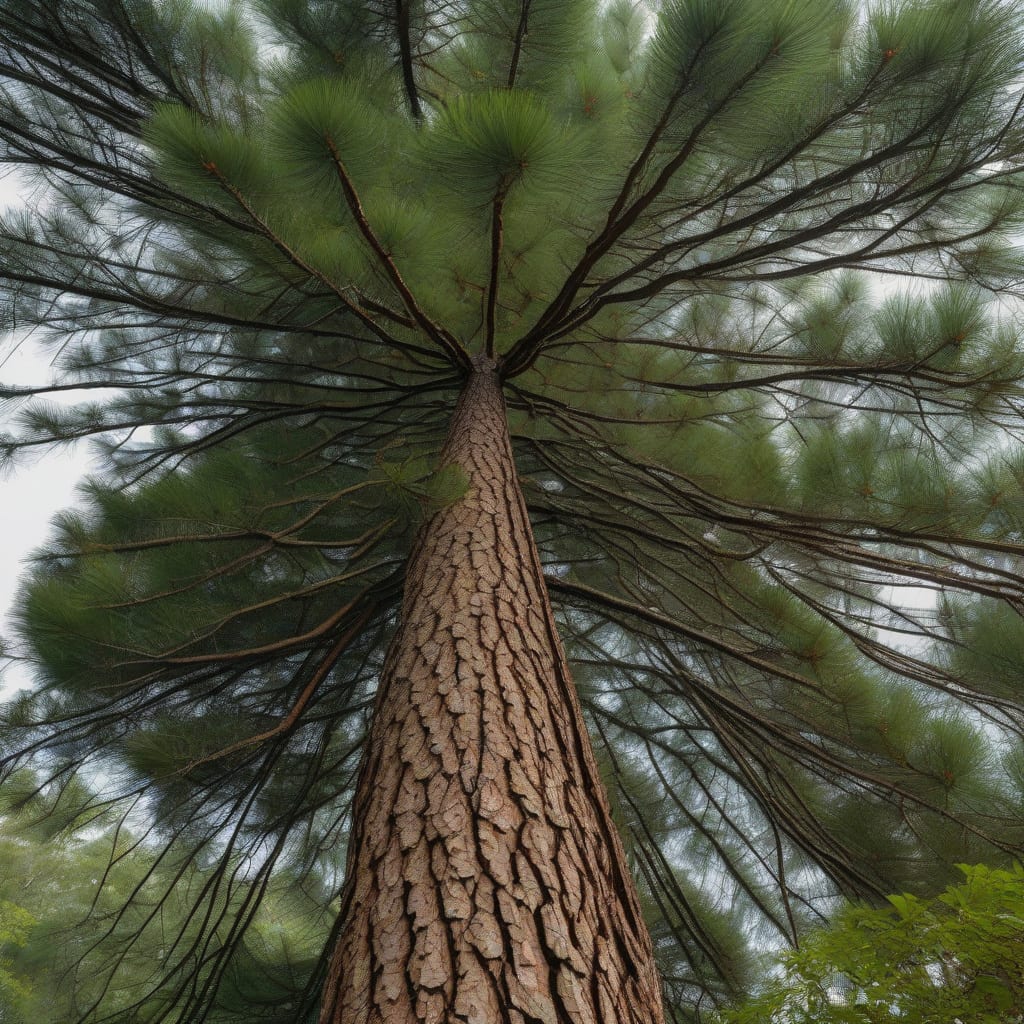
As I stand before a majestic Pine Tree 🌲, I’m always amazed by its potential height. Growing in USDA Zone 6, these trees can reach impressive heights, but what determines their maximum growth?
Understanding the factors that influence Pine Tree height helps you plan your garden or forest effectively. Let’s explore the key elements that affect their growth and maximum heights you can expect.


Pine trees are known for their impressive height, but what factors influence their growth? Understanding these elements helps in planning and maintaining healthy pine trees in your garden or forest.
The height of pine trees is determined by several key factors, including species, climate, soil quality, and maintenance practices. Each of these plays a crucial role in how tall a pine tree can grow 🌲.
The species of pine tree is a primary factor in determining its potential height. Some species, like the
White Pine, can grow much taller than others, such as the Scots Pine. Understanding the specific characteristics of your pine tree’s species is essential for predicting its growth.
Climate also significantly impacts pine tree height. Trees growing in regions with mild winters and cool summers often achieve greater heights than those in areas with extreme temperatures or conditions.
The quality of the soil is another critical factor. Pine trees prefer well-draining soil that is rich in nutrients. Soil that is too dense or lacking in essential nutrients can hinder a tree’s ability to grow tall.
Maintenance practices, including pruning and fertilization, can also affect a pine tree’s height. Proper care ensures that the tree remains healthy and can reach its full growth potential.
In summary, the height of pine trees is influenced by a combination of factors. By understanding and managing these elements, you can help your pine trees achieve their maximum height potential 🌿.
For more specific guidance on managing pine tree growth, consider exploring additional resources on pine tree care and maintenance practices.
By focusing on these key areas, you can ensure that your pine trees not only reach but potentially exceed their expected heights, contributing to a lush and vibrant landscape 🌳.
Pine trees are known for their impressive heights, but different species have varying growth potentials. Understanding the maximum heights of common pine tree species helps in planning your garden or forest effectively.
The height of pine trees can vary significantly depending on the species. Some species are naturally taller than others, and understanding these differences is crucial for making informed decisions about which trees to plant 🌲.
The White Pine is known for its potential to grow up to 150 feet tall, making it one of the taller pine species. The Red Pine can reach heights of up to 120 feet, while the Scots Pine typically tops out at around 100 feet 🌳.
Understanding these height variations is essential for planning your landscape or forest. By choosing the right species for your needs, you can ensure that your pine trees achieve their full growth potential 🌲.
For more information on pine tree species and their growth habits, consider exploring additional resources on pine tree characteristics and growth patterns.
By selecting the appropriate pine tree species for your environment and providing proper care, you can enjoy the beauty and benefits of these majestic trees for years to come 🌲.
To manage pine tree growth effectively and achieve optimal height, it’s essential to understand the right care practices. Proper maintenance can significantly influence the height and health of your pine trees 🌲.
Prune your pine trees regularly to maintain their shape and promote healthy growth. Remove any dead or damaged branches to prevent disease and encourage upward growth 🌱.
Pruning is a critical practice in managing pine tree height. By removing lower branches, you can control the tree’s shape and direct its energy towards upward growth. Prune during the dormant season to minimize stress on the tree 🌳.
Spacing is another important factor. Planting pine trees with adequate space between them allows for proper air circulation and sunlight penetration, which can contribute to healthier growth and potentially greater heights 🌲.
Fertilization also plays a role in pine tree growth. Using a balanced, slow-release fertilizer during the growing season can provide essential nutrients that support healthy development and optimal height 🌿.
By combining these care practices, you can effectively manage your pine trees’ growth and help them achieve their maximum height potential. Regular maintenance and proper care ensure that your pine trees remain healthy and thrive in your garden or forest 🌳.
