
Beautiful Plants For Your Interior
Beautiful Plants For Your Interior
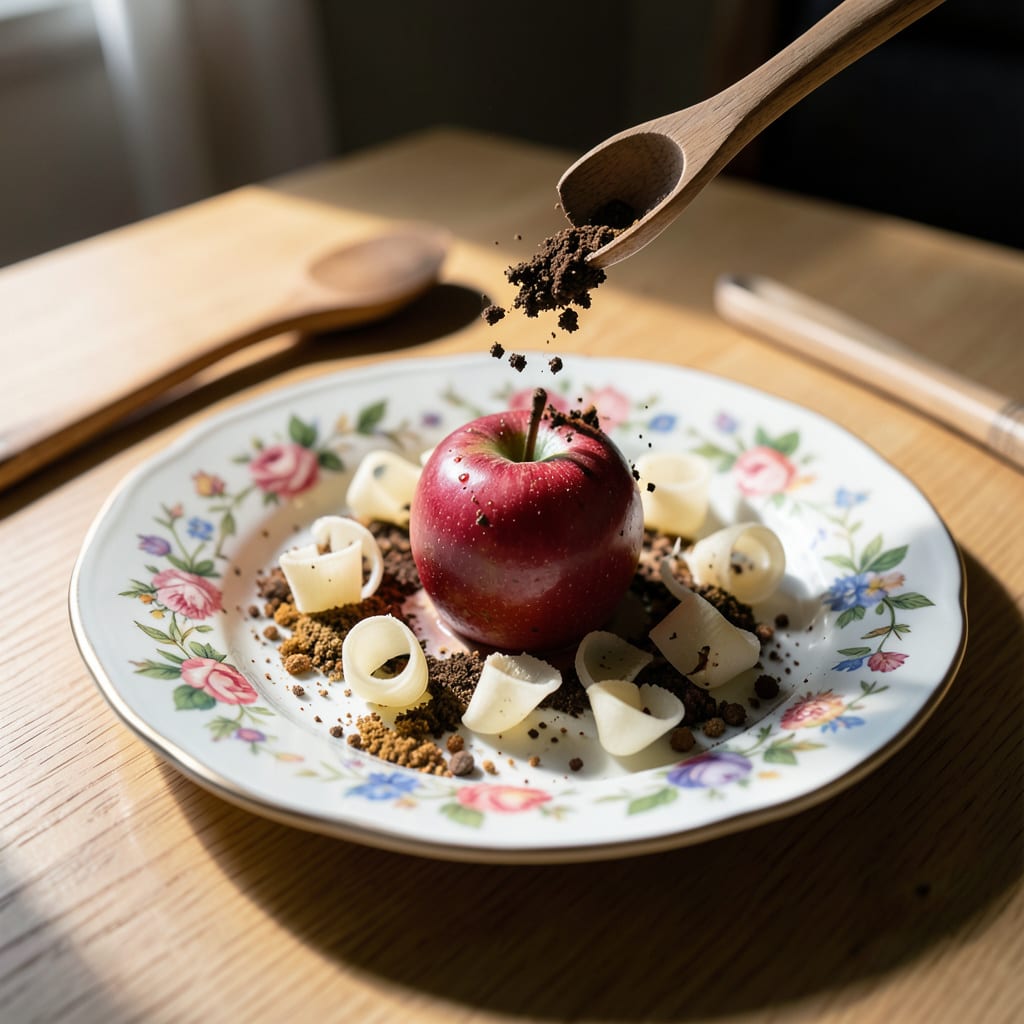
Fertilizing your Fruit Tree 🍎 at the right time is crucial for a bountiful harvest. In USDA Zone 6, early spring is the ideal time to fertilize, as it provides essential nutrients for the growing season.
Understanding when to fertilize can be the difference between a mediocre and an exceptional yield. I’ll guide you through the best practices for fertilizing your Fruit Tree, ensuring you get the most out of your tree.

Fertilizing fruit trees at the right time is crucial for their health and productivity. The best time to fertilize depends on the tree’s growth stage and the climate in your area. In general, fruit trees benefit from fertilization during their active growing periods 🌟.
For most fruit trees, early spring is considered the ideal time for fertilization. This timing supports the tree’s new growth and fruit development. In USDA Zone 6, this typically means fertilizing in late March or early April 🌱.
The fertilizer type is also critical. A balanced fertilizer (10-10-10 NPK) is generally recommended for fruit trees. This balance of nitrogen, phosphorus, and potassium supports overall tree health and fruit production 🌿.
Soil conditions play a significant role in fertilization. Testing your soil can help determine its nutrient content and pH level, allowing you to adjust your fertilization strategy accordingly. Most fruit trees prefer a slightly acidic to neutral soil pH (6.0-7.0) 📊.
It’s also important to consider the age of your fruit trees. Younger trees may require more frequent fertilization as they establish their root systems and grow. Mature trees, however, may need less frequent but more targeted fertilization 🕰️.
Climate and weather conditions can affect fertilization timing. In areas with mild winters, you might start fertilizing earlier than in regions with colder winters. Always observe your trees‘ response to fertilization and adjust based on their performance 🌟.
For specific fruit tree varieties, the fertilization schedule might vary. For example, apple trees and peach trees have different nutrient requirements and growth patterns. Researching the specific needs of your tree variety can help optimize your fertilization routine 📚.
Over-fertilization is a common mistake that can harm fruit trees. It’s better to under-fertilize than to overdo it, as excessive nutrients can damage roots and reduce fruit quality ⚠️.
Finally, the method of fertilization matters. Applying fertilizer in a broadcast pattern around the drip line (the area under the tree’s canopy) is generally effective. Ensure the fertilizer is watered in to help it reach the roots 💧.
By following these guidelines and understanding the specific needs of your fruit trees, you can ensure they receive the nutrients they need to thrive and produce bountiful harvests year after year 🌼.
Regular monitoring of your trees’ health and adjusting your fertilization practices accordingly will lead to the best results. Happy gardening! 🌻
Before fertilizing your fruit trees, it’s essential to consider several factors to ensure you’re providing the best care. The type of fertilizer you choose is critical, as different trees have different nutrient requirements. A balanced fertilizer (10-10-10 NPK) is generally recommended, but specific trees like apple or peach trees may require adjustments to this formula 🍎.
Soil conditions play a significant role in fertilization. Testing your soil can help determine its nutrient content and pH level. Most fruit trees prefer a slightly acidic to neutral soil pH (6.0-7.0), so adjusting your fertilizer based on soil test results is crucial 📊.
Fruit trees have different fertilization needs based on their age and variety. Younger trees require more frequent fertilization, while mature trees need less frequent but more targeted feeding 🌳.
The age of your fruit trees is another critical factor. Younger trees need more frequent fertilization to establish their root systems and support growth. Mature trees, however, require less frequent fertilization but may benefit from targeted nutrient applications 🕰️.
Climate and weather conditions also impact fertilization. In areas with mild winters, you can start fertilizing earlier than in regions with colder winters. Observing your trees’ response to fertilization and adjusting your strategy accordingly is key to optimal tree health 🌟.
Finally, the method of fertilization matters. Applying fertilizer in a broadcast pattern around the drip line (under the tree’s canopy) is effective. Ensure the fertilizer is watered in to help it reach the roots properly 💧.
By considering these factors, you can create a fertilization plan that meets your fruit trees’ specific needs, promoting healthy growth and maximizing fruit production 🌼.
Regular monitoring of your trees’ health and adjusting your fertilization practices will lead to the best results. Happy gardening! 🌱
Fertilizing fruit trees requires careful consideration to avoid common mistakes that can harm the trees. One of the most significant errors is over-fertilization, which can damage roots and reduce fruit quality ⚠️.
Another mistake is using the wrong type of fertilizer. Fruit trees have different nutrient requirements, and using a fertilizer that doesn’t match these needs can be detrimental. A balanced fertilizer (10-10-10 NPK) is generally recommended, but specific trees may require adjustments 🍎.
Avoid over-fertilizing, as it can cause more harm than good to your fruit trees.
Soil conditions are also crucial. Testing your soil helps determine its nutrient content and pH level. Most fruit trees prefer a slightly acidic to neutral soil pH (6.0-7.0), so adjusting your fertilizer based on soil test results is essential 📊.
The age of your fruit trees affects fertilization needs. Younger trees require more frequent fertilization to establish their root systems, while mature trees need less frequent but more targeted feeding 🕰️.
Climate and weather conditions impact fertilization timing. In areas with mild winters, you can start fertilizing earlier than in regions with colder winters. Observing your trees’ response and adjusting your strategy is key to optimal health 🌟.
The method of fertilization matters. Applying fertilizer in a broadcast pattern around the drip line is effective. Ensure the fertilizer is watered in to help it reach the roots properly 💧.
By avoiding these common mistakes and understanding your fruit trees’ specific needs, you can promote healthy growth and maximize fruit production 🌼.
Regular monitoring and adjusting your fertilization practices will lead to the best results. Happy gardening! 🌱
Fertilize your fruit trees every 4-6 weeks during the growing season, typically from early spring to late summer. The exact frequency depends on the tree’s age and type. Younger trees need more frequent fertilization.
A balanced fertilizer (10-10-10 NPK) is generally recommended for most fruit trees. This balance of nitrogen, phosphorus, and potassium supports overall tree health and fruit production. However, specific trees like apple or peach trees may require adjustments to this formula.
No, it’s best to stop fertilizing in the fall to allow trees to build winter reserves. Fertilizing too late in the season can promote new growth that may not have time to harden off before winter, making it susceptible to damage.
Apply fertilizer in a broadcast pattern around the drip line (the area under the tree’s canopy). Ensure the fertilizer is watered in to help it reach the roots properly. This method is generally effective for most fruit trees.
