
Beautiful Plants For Your Interior
Beautiful Plants For Your Interior
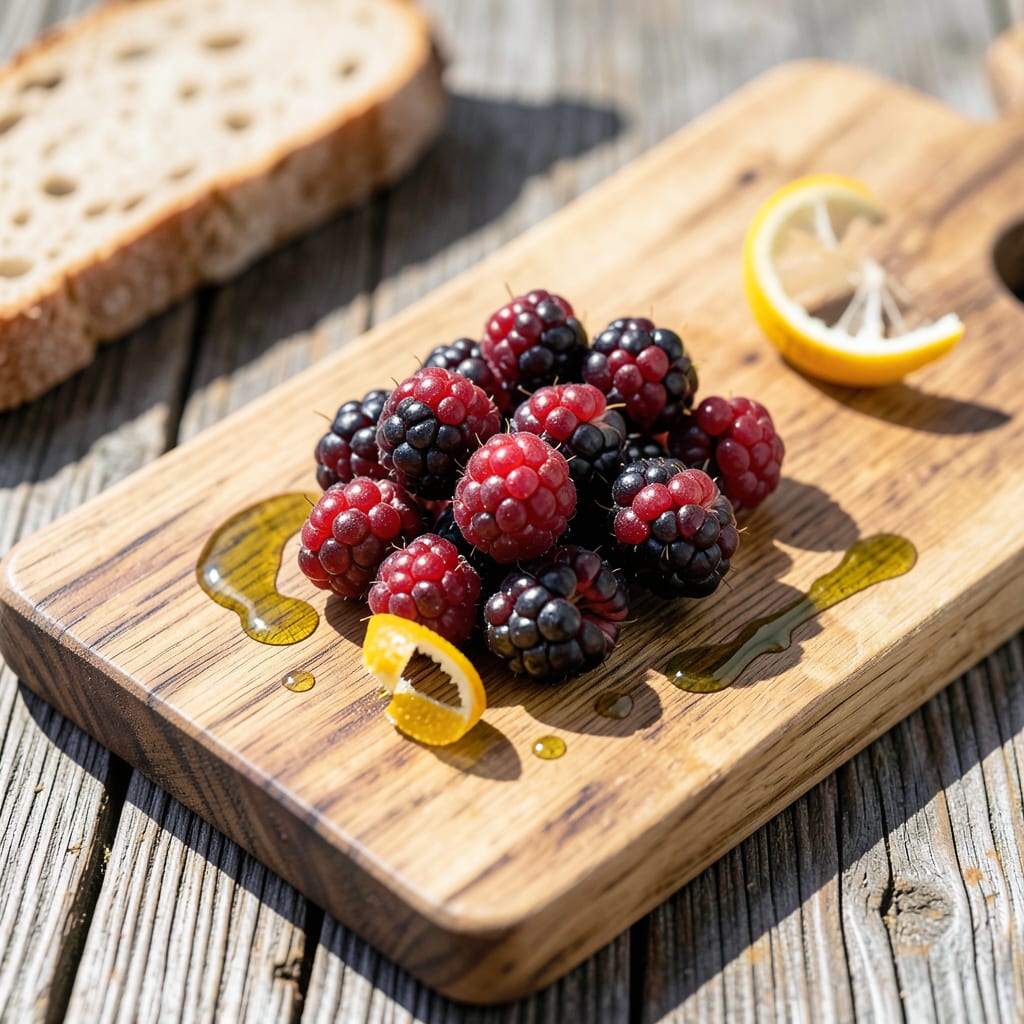
Fertilizing your Blackberry 🫐 plants at the right time is crucial for a bountiful harvest. In USDA Zone 6, the growing season is a key factor in determining when to fertilize.
I recommend fertilizing your Blackberry plants in early spring when new growth begins, and again after harvest to promote healthy canes. Let’s dive into the details to ensure you’re giving your plants the nutrients they need to thrive.

Fertilizing blackberries at the right time is crucial for maximizing yields and maintaining plant health. In USDA Zone 6, the growing season plays a significant role in determining the best fertilization schedule. Blackberries typically require fertilization during specific periods to promote healthy growth and fruit production 🌿.
I recommend focusing on three critical periods for fertilizing blackberries: early spring, post-harvest, and preparing for dormancy. Understanding these periods will help you provide your plants with the necessary nutrients at the right time 🌱.
The early spring fertilization is critical as it provides the necessary nutrients for new growth and fruit production. Blackberries typically start growing in late March to early April in USDA Zone 6. Applying a balanced fertilizer at this time helps promote healthy canes and fruiting 🫐.
After the harvest, typically around late July to August, a light feed is recommended. This second application supports the development of new canes and prepares the plants for the next growing season. It’s essential to avoid over-fertilizing, as this can lead to excessive vegetative growth at the expense of fruit production ⚠️.
Finally, it’s crucial to stop fertilizing blackberries at least 2 months before the first frost. This allows the plants to harden off and prepares them for dormancy. In USDA Zone 6, this means stopping fertilization by mid-to-late August 🌟.
By following this fertilization schedule, you can ensure your blackberry plants receive the nutrients they need for optimal growth and fruit production.
Key factors to consider when fertilizing blackberries include soil type, climate, and the plant’s growth stage. Adjusting your fertilization schedule based on these factors will help you achieve the best results 🌿.
For more detailed information on fertilizing blackberries, including specific fertilizer recommendations and application tips, continue reading the next section 📚.
Understanding the critical fertilization periods and adjusting your fertilization schedule accordingly is key to maintaining healthy and productive blackberry plants. By doing so, you’ll be well on your way to enjoying a bountiful harvest for years to come 🎉.
To recap, the three main periods for fertilizing blackberries are early spring, post-harvest, and preparing for dormancy. By fertilizing during these periods and avoiding over-fertilization, you can promote healthy growth and maximize your yields 📈.
Fertilizing blackberries effectively requires understanding the right fertilizer type, application rates, and techniques to avoid over-fertilization. I recommend using a balanced fertilizer (10-10-10 NPK) to provide essential nutrients for healthy growth and fruit production 🌿.
The application rate is critical to avoid over-fertilizing. For blackberries, I suggest applying 1 cup of fertilizer per 10 square feet of soil surface. This rate provides the necessary nutrients without causing excessive vegetative growth ⚖️.
Apply fertilizer in early morning when dew is still present to help absorption. Avoid fertilizing during peak heat or when plants are stressed 🔥.
Timing is everything when it comes to fertilizing blackberries. As discussed earlier, the critical periods are early spring, post-harvest, and preparing for dormancy.
In addition to the right fertilizer and timing, soil conditions play a crucial role in how effectively your blackberries absorb nutrients. Ensure your soil has good drainage and is rich in organic matter 🌿.
To further enhance your fertilization strategy, consider soil testing to determine its nutrient content. This will help you adjust your fertilizer application based on your soil’s specific needs 🧬.
By following these guidelines and avoiding common mistakes like over-fertilization, you can promote healthy growth and maximize your blackberry yields 📈.
For more information on common mistakes to avoid when fertilizing blackberries, including signs of over-fertilization and nutrient deficiencies, refer to the next section 📚.
Effective fertilization is key to maintaining healthy and productive blackberry plants. By choosing the right fertilizer, applying it at the correct rate, and considering soil conditions, you’ll be well on your way to enjoying a bountiful harvest 🎉.
Fertilizing blackberries can be straightforward, but there are several common mistakes to watch out for. One of the most significant errors is over-fertilization, which can lead to excessive vegetative growth at the expense of fruit production 🌿.
Another mistake is fertilizing at the wrong time. Blackberries have specific critical fertilization periods: early spring, post-harvest, and preparing for dormancy. Fertilizing outside these periods can be ineffective or even harmful ⚠️.
Avoid fertilizing blackberries during peak heat or when plants are stressed, as this can cause further damage 🔥.
Nutrient deficiencies can also be a problem if not addressed. Keep an eye out for signs like yellowing leaves or poor fruit production, and adjust your fertilization strategy accordingly 🌟.
To avoid these common mistakes, it’s essential to understand the specific needs of your blackberry plants. This includes considering factors like soil type, climate, and the plant’s growth stage 🌱.
By being aware of these potential pitfalls and taking steps to avoid them, you can ensure your blackberry plants receive the nutrients they need to thrive 📈.
For more detailed information on fertilizing blackberries, including specific fertilizer recommendations and application tips, refer to the previous sections 📚.
By following these guidelines and avoiding common mistakes, you’ll be well on your way to enjoying a bountiful harvest of delicious blackberries 🫐.
Fertilize blackberries in early spring when new growth begins, and again after harvest to promote healthy canes. This schedule supports optimal growth and fruit production.
Fertilize blackberries every 4-6 weeks during the growing season, using a balanced fertilizer (10-10-10 NPK). Adjust based on soil type and plant needs.
No, stop fertilizing blackberries at least 2 months before the first frost. In USDA Zone 6, this means stopping fertilization by mid-to-late August to allow plants to harden off.
Watch for excessive vegetative growth, yellowing leaves, or poor fruit production. These signs indicate over-fertilization, which can harm your blackberry plants. Adjust your fertilization strategy accordingly.
