
Beautiful Plants For Your Interior
Beautiful Plants For Your Interior
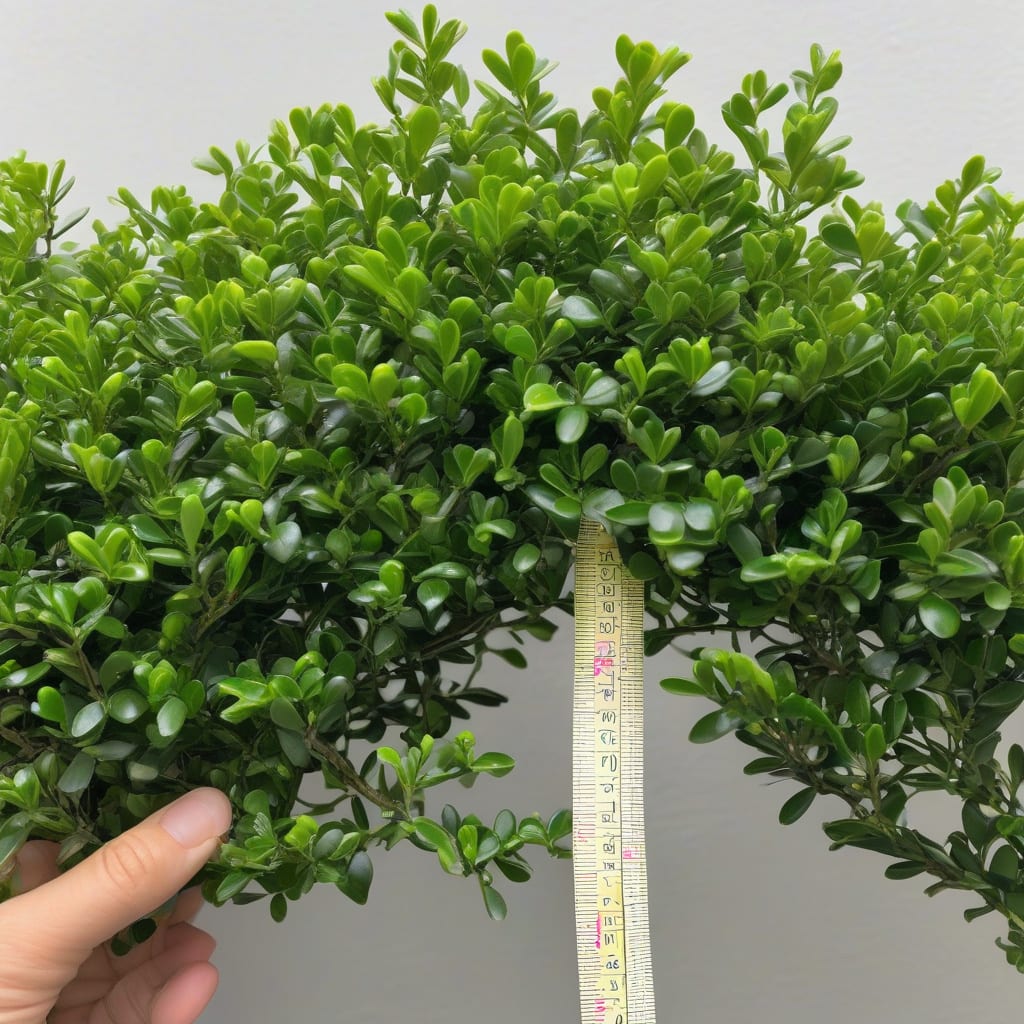
Japanese boxwoods 🌿 are a popular choice for gardeners seeking elegant, compact hedges and topiaries. Their growth potential is crucial for proper landscape planning, especially in USDA Zone 6 where they thrive.
Understanding how tall Japanese boxwoods can grow helps you plan your garden design. Let’s explore their average height, growth rate, and factors influencing their size to achieve the desired shape for your boxwood plants.

1-2 ft

2-3 ft

3-4 ft

3-6 ft
Japanese boxwoods are a popular choice for gardeners seeking elegant, compact hedges and topiaries. Their growth potential is crucial for proper landscape planning, especially in USDA Zone 6 where they thrive 🌿.
Understanding how tall Japanese boxwoods can grow helps you plan your garden design. The height of Japanese boxwoods is influenced by several key factors, including soil quality, sunlight exposure, pruning practices, and cultivar variations.
The average mature height of Japanese boxwoods typically ranges between 3 to 6 feet, making them suitable for various landscaping applications, the height can vary based on specific growing conditions and care practices. In ideal conditions with proper care, some varieties can grow taller, while others remain more compact 🌱.
Factors such as soil quality, sunlight exposure, and pruning frequency play crucial roles in determining the final height of Japanese boxwoods. Gardeners can influence the growth pattern through regular maintenance and appropriate cultural practices, ensuring their boxwoods achieve the desired height and shape 🌿.
Japanese boxwoods are known for their versatility in landscaping, serving as elegant hedges, topiaries, or standalone specimens. Their ability to thrive in various conditions makes them a favorite among gardeners seeking low-maintenance yet stylish garden features 🌼.
To achieve the best results with Japanese boxwoods, gardeners should consider their specific growing conditions and adjust their care routines accordingly. This includes providing appropriate watering, fertilization, and pruning to support healthy growth and maintain the desired height.
By understanding the growth patterns of Japanese boxwoods and implementing proper care techniques, gardeners can enjoy beautiful, well-maintained plants that enhance their outdoor spaces for years to come 🌸.
Regular monitoring and adjustment of care practices will help ensure that Japanese boxwoods remain healthy and attractive. This includes being mindful of pest management and disease prevention to protect the plants from potential threats.
Overall, Japanese boxwoods offer a versatile and attractive option for gardeners looking to add structure and elegance to their landscapes. With the right care and attention, these plants can thrive and provide lasting beauty 🌺.
In conclusion, understanding how tall Japanese boxwoods can grow involves considering multiple factors that influence their height. By providing optimal growing conditions and regular maintenance, gardeners can achieve their desired landscape goals with these versatile plants 🌻.
Japanese boxwoods are known for their versatility in landscaping, serving as elegant hedges, topiaries, or standalone specimens 🌿. To maintain their desired height and shape, regular pruning is essential.
Pruning not only controls the height of Japanese boxwoods but also promotes healthy growth and maintains their aesthetic appeal. The best time to prune these plants is during the growing season, typically in spring or early summer.
Evaluate the boxwood’s current height and shape to determine the necessary pruning extent.
Use sharp, clean pruning shears or hedge trimmers to make precise cuts and minimize damage.
Remove dead or diseased branches first, then shape the plant by cutting back overgrown areas.
Regular pruning helps maintain the desired height and encourages dense foliage. For formal hedges, use hedge trimmers to achieve a uniform shape. For topiaries or specimen plants, more precise pruning with shears is recommended 🌸.
It’s important to avoid pruning during extreme weather conditions or when the plant is under stress. Proper pruning techniques will help Japanese boxwoods remain healthy and visually appealing 🌻.
By following these pruning practices, gardeners can effectively manage the height of their Japanese boxwoods and enjoy beautifully maintained plants in their landscapes 🌺.
Consistent pruning not only controls height but also enhances the overall appearance of Japanese boxwoods, making them a valuable addition to any garden 🌼.
In conclusion, managing Japanese boxwood height through pruning is a straightforward process that requires regular maintenance and attention to detail. By implementing these practices, gardeners can achieve their desired landscape goals with these versatile plants 🌱.
Japanese boxwoods come in various cultivars, each with its unique growth characteristics and mature heights 🌿. Understanding these variations helps gardeners choose the right cultivar for their landscaping needs.
The mature height of Japanese boxwoods can vary significantly depending on the cultivar 🌱. Some compact varieties like ‘Faulkner’ remain shorter, typically growing between 2 to 3 feet tall. In contrast, other cultivars such as ‘Winter Joy’ can reach heights of 4 to 5 feet when fully mature.
Gardeners should consider the specific growth characteristics of their chosen Japanese boxwood cultivar when planning their landscape design 🌼. Factors such as pruning practices and growing conditions also play crucial roles in determining the final height of these plants.
By selecting the appropriate cultivar and implementing proper care techniques, gardeners can achieve their desired landscape outcomes with Japanese boxwoods 🌸. Regular maintenance, including pruning and fertilization, will help ensure that these plants remain healthy and attractive.
In conclusion, understanding the size variations among Japanese boxwood cultivars allows gardeners to make informed decisions for their landscaping projects 🌻.
