
Beautiful Plants For Your Interior
Beautiful Plants For Your Interior
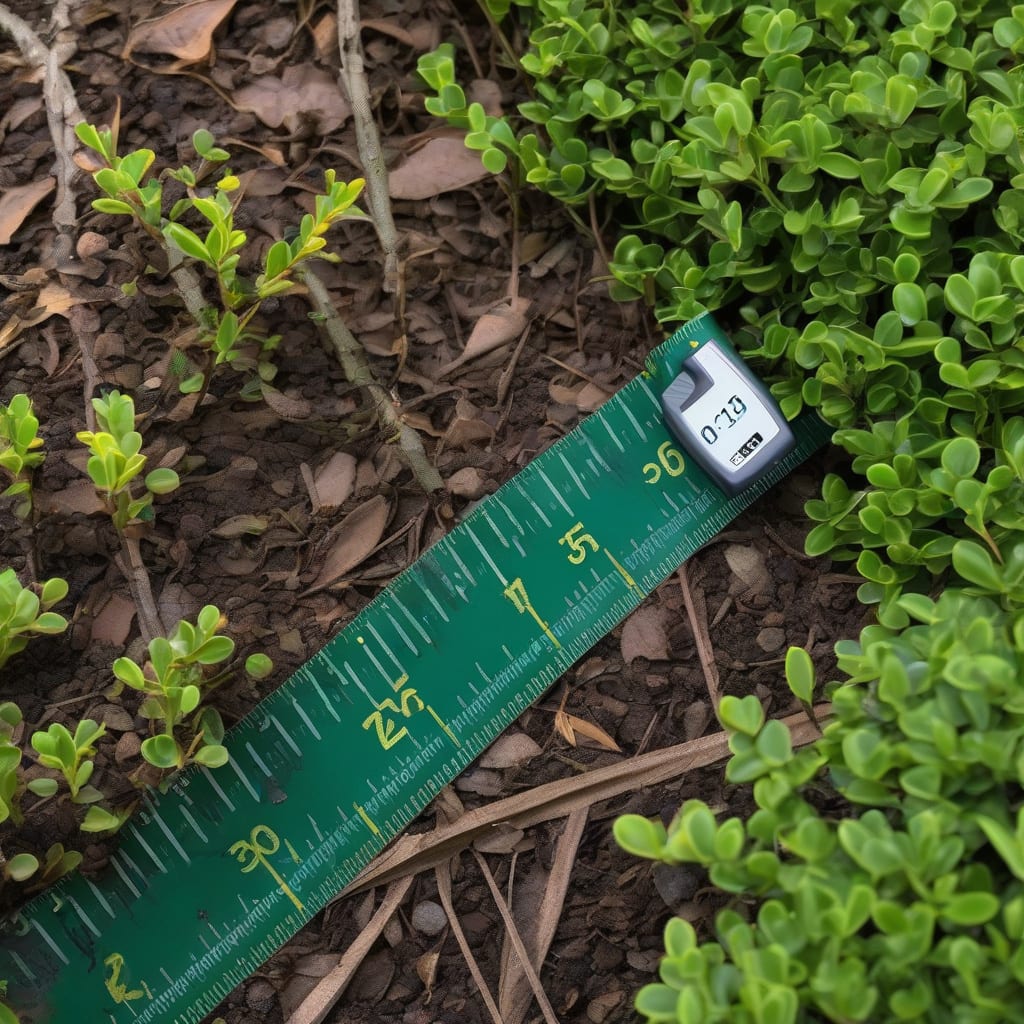
Boxwood 🌿 is a versatile shrub that can add elegance to any garden, but understanding its growth patterns is crucial for maintaining its shape and health. The height of boxwood varies greatly depending on the variety and growing conditions.
In general, boxwood can grow between 2 to 15 feet tall, with some varieties remaining compact while others can reach significant heights. Proper pruning techniques can help control the height and maintain the desired shape.


Boxwood plants are known for their versatility and elegant appearance in gardens. Understanding their growth patterns is crucial for maintaining their shape and health. The height of boxwood varies greatly depending on the variety and growing conditions 🌿.
In general, boxwood can grow between 2 to 15 feet tall, with some varieties remaining compact while others can reach significant heights. Proper pruning techniques can help control the height and maintain the desired shape.
The maximum height of boxwood is influenced by multiple factors including the specific variety of boxwood, the growing conditions it is subjected to, and the pruning practices applied to it. Understanding these factors is crucial for gardeners who wish to control the height and maintain the desired shape of their boxwood plants.
Variety plays a significant role in determining the maximum height of boxwood. Different cultivars have been developed to exhibit specific growth characteristics, ranging from compact and dwarf varieties to more vigorous and tall-growing types. For instance, compact boxwood varieties like ‘Winter Gem’ or ‘Winter Joy’ are bred to remain smaller, typically growing between 2 to 4 feet tall, making them ideal for hedges, borders, or container gardens.
Growing conditions such as soil quality, sunlight exposure, and watering practices also significantly impact the growth rate and maximum height of boxwood. Boxwoods prefer well-draining soil and can thrive in partial shade to full sun, although the specific light requirements may vary depending on the variety. Consistent moisture levels are crucial, as both drought and waterlogged conditions can stress the plants and affect their growth.
Pruning practices are perhaps the most direct method of controlling boxwood height. Regular pruning not only helps maintain the desired shape but also encourages denser growth. By pruning boxwood regularly, gardeners can keep their plants within the desired height range, whether it’s for a formal hedge, a topiary, or a more natural, informal shape.
Overall, understanding the growth patterns and factors influencing boxwood height allows gardeners to make informed decisions about variety selection, growing conditions, and pruning practices. By combining these elements, gardeners can effectively manage the height and health of their boxwood plants, ensuring they remain a beautiful and integral part of the garden landscape 🌿.
For more specific guidance on pruning techniques and tips, refer to the next section on controlling boxwood height.
Controlling boxwood height requires regular pruning to maintain the desired shape and size. Effective pruning techniques can help gardeners achieve their desired boxwood height while keeping the plants healthy 🌿.
Pruning boxwood is an art that requires the right tools and techniques. The best time to prune boxwood is during the growing season, typically in spring or early summer, and again in late summer or early fall.
Use sharp, clean pruning shears or hedge clippers to prevent spreading diseases.
Cut away any dead, diseased, or damaged branches to maintain plant health.
Prune the boxwood to maintain the desired height and shape, making clean cuts just above a leaf node.
Regular pruning not only helps control the height of boxwood but also encourages denser growth, making the plants look fuller and more vibrant. By following these pruning techniques and tips, gardeners can effectively manage their boxwood’s height and maintain its health and appearance 🌿.
For more information on choosing the right boxwood variety for your desired height, refer to the next section on different boxwood cultivars and their natural growth heights.
The frequency of pruning depends on the growth rate of the boxwood and the desired shape. Generally, pruning 2-3 times a year is sufficient for maintaining most boxwood plants.
By mastering the art of pruning, gardeners can enjoy beautifully maintained boxwood plants that enhance their garden’s aesthetic appeal.
When it comes to boxwood, selecting the right variety is crucial for achieving your desired height and maintaining a beautiful garden landscape 🌿. Different boxwood varieties have distinct growth habits and maximum heights, ranging from compact and dwarf types to more vigorous and tall-growing cultivars.
I consider several factors when choosing a boxwood variety, including the plant’s natural growth habit, its mature size, and how it responds to pruning. Some boxwood varieties are naturally more compact, making them ideal for hedges, borders, or container gardens, while others can grow quite tall if not regularly pruned.
By understanding the different boxwood varieties and their growth characteristics, gardeners can make informed decisions about which type to plant based on their desired height and garden design 🌿.
For more information on maintaining your boxwood’s health and appearance, consider exploring additional resources on boxwood care and maintenance.
