
Beautiful Plants For Your Interior
Beautiful Plants For Your Interior
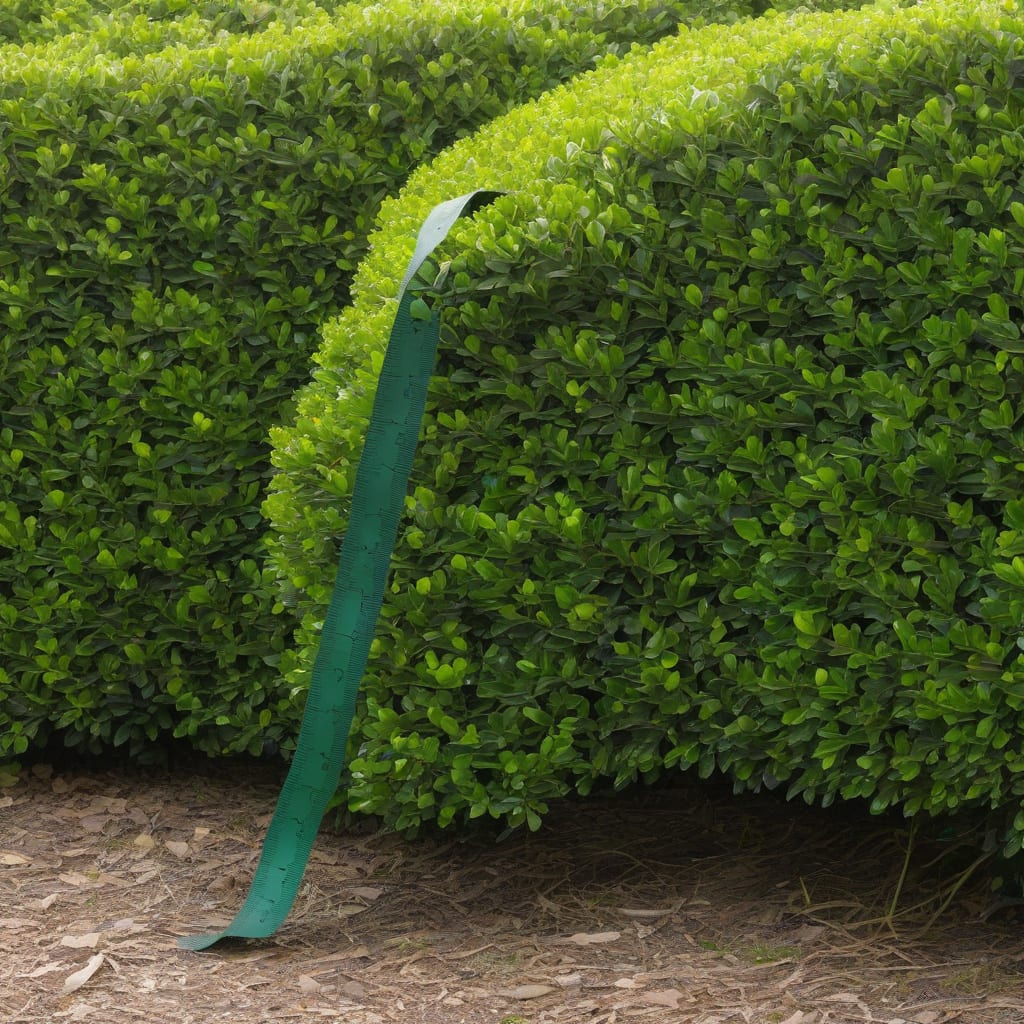
When planning your garden, understanding how tall your Boxwood 🌿 will grow is crucial for creating the perfect landscape. Boxwood is a versatile shrub that can thrive in various conditions, but its height can vary significantly based on several factors.
I’ve found that knowing the average height and growth rate of Boxwood helps in making informed decisions about placement and maintenance in USDA Zone 6. Let’s explore what influences their growth and how to manage their size effectively.

Understanding the factors that influence Boxwood height is crucial for effective garden planning. The height of Boxwood plants can vary significantly based on several key factors, including variety selection, growing conditions, pruning practices, and soil quality 🌿.
I’ve found that the variety of Boxwood plays a significant role in determining its mature height. Different cultivars have different growth habits, ranging from compact dwarf varieties to larger standard types. For example, dwarf Boxwood typically grows between 2-4 feet tall, while standard Boxwood can reach heights of 6-15 feet or more.
The growing conditions also significantly impact Boxwood height. Boxwoods prefer well-draining soil and can tolerate a range of sunlight conditions, from partial shade to full sun. The quality of the soil, including its pH and nutrient content, affects the overall health and growth rate of the plant 🌱.
Pruning practices are another critical factor in managing Boxwood height. Regular pruning not only helps maintain the desired height but also promotes dense, healthy growth. Pruning should be done in early spring or late summer to minimize stress on the plant.
By understanding these factors, gardeners can better manage their Boxwood plants to achieve the desired height and maintain their health and appearance. Whether you’re looking for a compact hedge or a taller specimen, knowing how to influence Boxwood growth is key to successful landscaping 🌿.
The mature height of Boxwood varieties can vary significantly, ranging from 2-4 feet for dwarf types to 6-15 feet or more for standard varieties. This variability allows gardeners to choose the right cultivar for their specific landscaping needs 🌿.
Regular maintenance, including pruning and fertilization, plays a crucial role in achieving and maintaining the desired height. By following best practices for Boxwood care, gardeners can ensure their plants remain healthy and attractive throughout the growing season 🌿.
Understanding the growth potential of Boxwood is essential for creating a well-designed landscape. By considering factors such as variety, growing conditions, and pruning practices, gardeners can make informed decisions about planting and maintaining their Boxwood 🌿.
I use specific pruning techniques to maintain the desired height of my Boxwood plants. Regular pruning is essential for keeping Boxwoods healthy and looking their best 🌿.
Pruning helps control the height and promotes dense growth. I’ve found that pruning in early spring or late summer works best for Boxwoods.
Evaluate the Boxwood’s current height and shape to determine the pruning needed.
Use sharp, clean pruning shears or hedge trimmers to make precise cuts.
Remove any dead or damaged branches first, then shape the plant to the desired height and shape.
Regular pruning not only helps maintain the desired height but also encourages healthy growth. By pruning my Boxwoods regularly, I can keep them looking their best 🌿.
It’s also important to consider the pruning frequency. For most Boxwood varieties, pruning once or twice a year is sufficient. However, some fast-growing varieties may require more frequent pruning.
By following these pruning techniques, I can effectively manage the height of my Boxwood plants and ensure they remain a beautiful addition to my garden 🌿.
Pruning is a critical aspect of Boxwood care. By understanding how to prune effectively, gardeners can maintain their plants’ health and appearance.
In my experience, the key to successful Boxwood pruning is to be gentle and precise. This approach helps minimize stress on the plant and promotes healthy regrowth 🌿.
Understanding the mature height of different Boxwood varieties is essential for gardeners to make informed decisions about their landscaping. Boxwood comes in various types, each with its own growth characteristics 🌿.
I’ve found that knowing the typical height range for different Boxwood varieties helps in selecting the right plants for specific garden needs. The height of Boxwood can vary significantly based on the variety.
The dwarf varieties of Boxwood are ideal for compact hedges or borders, typically growing between 2-4 feet tall. These varieties are perfect for smaller gardens or for creating intricate topiaries 🌿.
Semi-dwarf Boxwood varieties offer a middle ground, growing to heights of 4-8 feet. They are suitable for medium-sized hedges or as standalone specimens in garden beds.
Standard Boxwood varieties are the tallest, reaching heights of 6-15 feet or more. These are often used for larger hedges or as focal points in landscape designs 🌿.
By understanding the size expectations of different Boxwood varieties, gardeners can better plan their landscapes and choose the right plants for their needs.
