
Beautiful Plants For Your Interior
Beautiful Plants For Your Interior
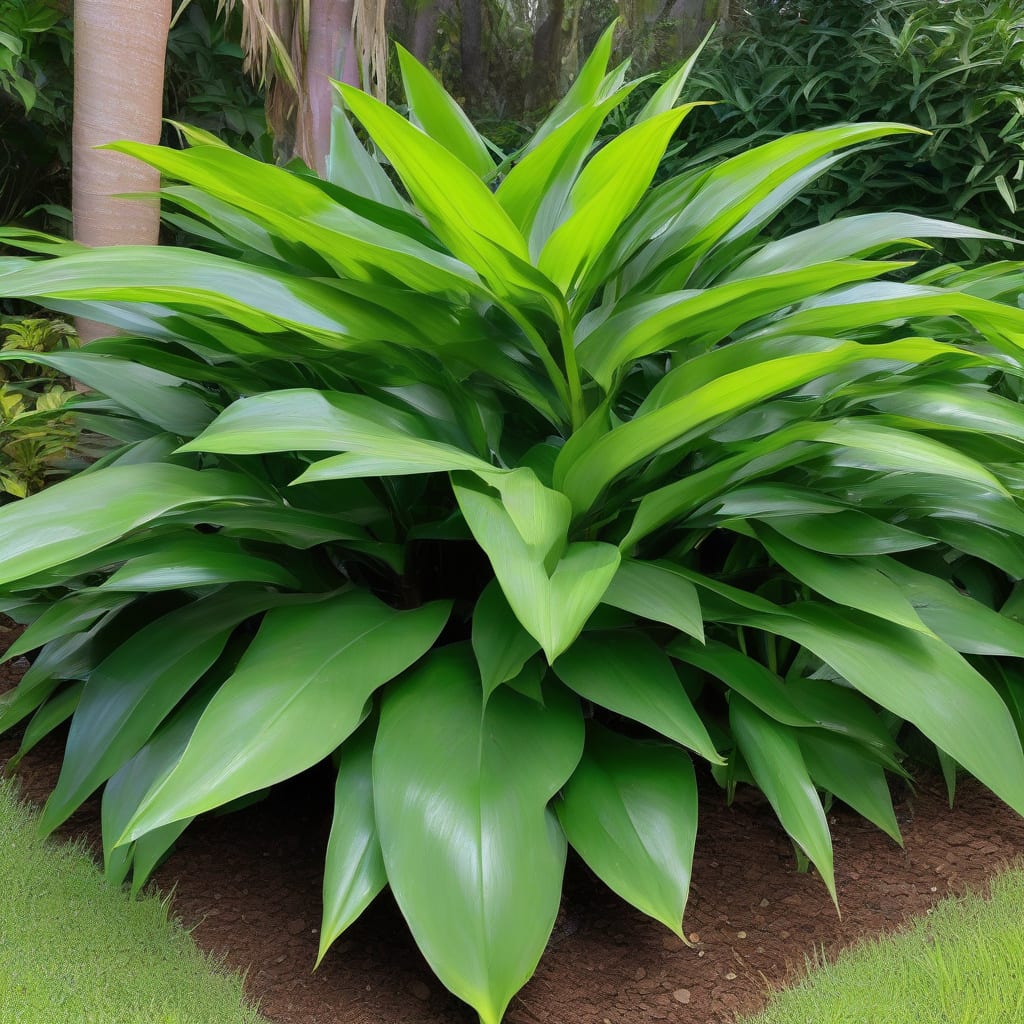
Growing Ginger �根 can be a rewarding experience, but have you ever wondered how tall it can actually grow? Understanding its growth habits is key to maximizing your harvest.
In USDA Zone 6, Ginger typically reaches heights between 2-4 feet. Let’s explore the factors that influence its growth and how you can encourage your Ginger plants to thrive.

Ginger plants are known for their versatile growth habits and can thrive in various conditions. Typically, Ginger plants grow between 2-4 feet tall, making them a medium-sized herb. The height can vary based on factors like soil quality, watering, and sunlight exposure 🌱.
In ideal conditions, with proper care and partial shade, Ginger plants can reach their maximum height potential. Understanding these factors is crucial for gardeners looking to maximize their Ginger yield 🔥.
The height of Ginger plants is influenced by several key factors, including soil quality, watering frequency, and sunlight exposure. In USDA Zone 6, Ginger typically thrives when planted in well-draining soil with consistent moisture 🌿.
Ginger plants prefer partial shade, especially in warmer climates, to prevent scorching of the leaves. Ensuring the right balance of these factors can help achieve optimal height and a healthy harvest 🔥.
Soil preparation is critical for Ginger growth. The soil should be rich in organic matter and have good drainage to prevent waterlogging. Adding compost or well-rotted manure can enhance soil fertility and structure 🌱.
Ginger plants require consistent moisture but are susceptible to root rot if the soil is too wet. Watering should be done carefully, ensuring the soil is moist but not waterlogged 💧.
The ideal sunlight exposure for Ginger is partial shade, especially during the hottest part of the day. This helps prevent leaf scorch and promotes healthy growth 🌞.
In USDA Zone 6, Ginger is typically planted in spring after the last frost. This allows the plants to establish themselves before the summer heat 🔥.
By understanding these factors and providing the right conditions, gardeners can encourage their Ginger plants to reach their full height potential and enjoy a bountiful harvest 🌿.
Monitoring the plants regularly and adjusting care practices as needed can help achieve the best results. With proper care, Ginger plants can be a rewarding addition to any garden 🌻.
To maximize Ginger height, gardeners need to focus on soil preparation, watering techniques, and fertilization strategies. By understanding these key factors, you can create optimal growing conditions for your Ginger plants 🌱.
Ginger plants require well-draining soil rich in organic matter. Adding compost or well-rotted manure can significantly improve soil quality and promote healthy root development. This is crucial for achieving maximum height 🔥.
Ensure soil has good drainage and is rich in organic matter. Add compost or well-rotted manure to enhance fertility.
Maintain consistent moisture levels. Water weekly, adjusting for weather conditions to prevent waterlogging.
Use a balanced fertilizer (10-10-10 NPK) every 4-6 weeks during the growing season to promote healthy growth.
By implementing these expert tips, gardeners can create an optimal environment for their Ginger plants to thrive. Regular monitoring and adjustments to care practices will help achieve the best results 🌿.
Proper care includes maintaining consistent moisture and providing partial shade. This balanced approach will help Ginger plants reach their maximum height potential and yield a bountiful harvest 🌻.
Ginger plants typically require 4-6 hours of indirect sunlight per day. Ensuring the right balance of light and shade is crucial for healthy growth and maximum height 🌞.
In USDA Zone 6, Ginger is typically planted in spring after the last frost. This timing allows the plants to establish themselves before the summer heat 🔥.
By following these guidelines and providing the right conditions, gardeners can encourage their Ginger plants to reach their full height potential and enjoy a successful harvest 🌼.
Ginger plants can face several challenges that affect their height and overall health. Understanding these issues is crucial for gardeners to take preventive measures and ensure a successful harvest 🌿.
One of the primary challenges is pests, such as root-knot nematodes and fungal infections. These can significantly impact Ginger plant height by damaging the roots and reducing nutrient uptake 🔥.
Regularly inspect your Ginger plants for signs of pests or diseases. Use organic pest control methods and maintain good garden hygiene to prevent infestations.
Environmental factors like extreme temperatures and waterlogging can also affect Ginger plant height. Ensuring proper care and adjusting to weather conditions can help mitigate these issues 🌞.
Ginger plants are sensitive to frost, so it’s essential to plant them after the last frost date in your area. In USDA Zone 6, this is typically around April 15 🔥.
By being aware of these common challenges and taking proactive steps, gardeners can help their Ginger plants reach their full height potential and enjoy a bountiful harvest 🌼.
Regular monitoring and adjustments to care practices are key to overcoming these challenges. With proper care, Ginger plants can thrive and provide a rewarding harvest 🌻.
