
Beautiful Plants For Your Interior
Beautiful Plants For Your Interior
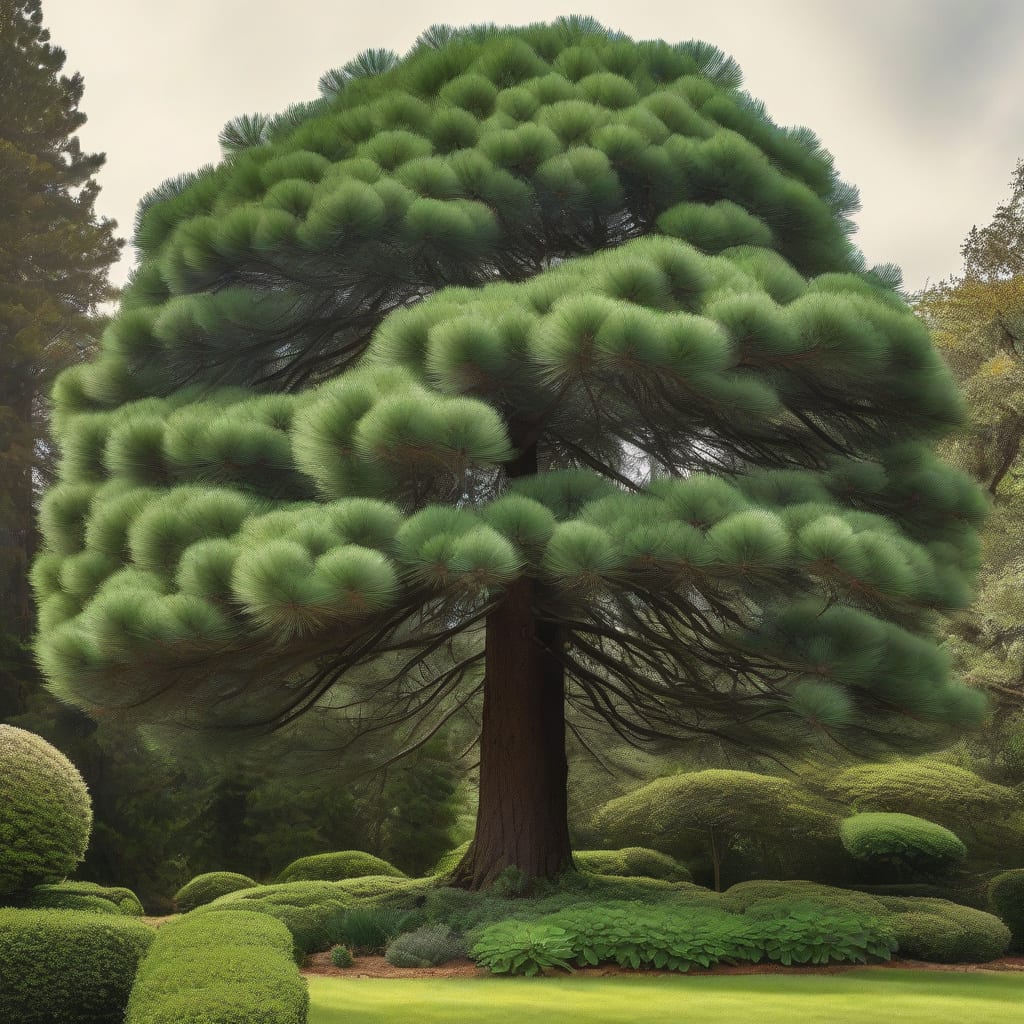
I’ve always been fascinated by the majestic Pine Tree 🌲, which can grow to extraordinary heights in the right conditions. Understanding how tall these trees can grow is crucial for gardeners and landscapers planning their outdoor spaces.
Let’s explore the factors that influence the height of Pine Trees and what you can expect from these magnificent plants in different growing conditions.


I’ve always been fascinated by how tall pine trees can grow, and understanding the factors that influence their height is crucial for gardeners and landscapers. The height of pine trees is determined by a combination of biological and environmental factors.
The species variation plays a significant role in determining the maximum height a pine tree can reach. Different species have different growth patterns and potential heights. For example, some species like the White Pine can grow taller than others like the Scots Pine. The genetic makeup of the tree sets the foundation for its growth potential 🌲.
The soil quality is another critical factor that influences pine tree height. Soil that is rich in nutrients and has good drainage can support healthy root development, which is essential for the tree’s overall growth. Pine trees generally thrive in well-draining soils with a slightly acidic pH 🌿.
Climate conditions also significantly impact the growth of pine trees. Factors such as temperature, precipitation, and sunlight exposure can either promote or hinder growth. Pine trees typically prefer full sun and can tolerate a range of temperatures, but extreme conditions can affect their growth rate ☀️.
In addition to these factors, water availability is crucial for pine tree growth. Consistent moisture, especially during the early stages of development, is vital. However, pine trees are generally drought-tolerant once established, making them suitable for various environments 💧.
Understanding these factors can help gardeners and landscapers create optimal conditions for pine trees to reach their full height potential. By selecting the right species and providing appropriate care, you can enjoy the beauty and benefits of these magnificent trees for years to come.
The height of pine trees is a complex trait influenced by multiple factors. By considering these elements, you can better understand how to support the growth of these remarkable trees.
Pine trees are known for their ability to thrive in a variety of conditions, making them a popular choice for landscaping. Their height is just one aspect of their overall appeal.
In conclusion, the growth of pine trees to their maximum height is influenced by a combination of biological and environmental factors. By understanding and managing these factors, you can help your pine trees reach their full potential.
By providing the right conditions and care, you can enjoy the beauty and benefits of tall, healthy pine trees in your landscape.
I’ve found that understanding the maximum heights of different pine tree species is essential for gardeners and landscapers to make informed decisions about their landscape design. Different pine species have varying growth potentials and maximum heights 🌲.
The height of pine trees can vary significantly depending on the species. Some species are naturally taller than others, and understanding these differences is crucial for selecting the right tree for your landscape.
The White Pine is known for its potential to grow to great heights, often reaching 150 feet in ideal conditions. This makes it an excellent choice for landscapes where a tall, majestic tree is desired 🌳.
In contrast, the Scots Pine typically grows to a more modest height, usually between 30 to 60 feet. While it may not reach the same heights as the White Pine, it still provides a beautiful and robust presence in any landscape 🌲.
The Lodgepole Pine is another species that can grow to significant heights, with some specimens reaching up to 100 feet. Its growth pattern and maximum height make it suitable for a variety of landscaping needs.
Understanding the growth patterns and maximum heights of different pine species can help you choose the right tree for your specific needs and landscape design.
By selecting the appropriate pine species and providing the right growing conditions, you can enjoy the beauty and benefits of these trees for years to come.
To help pine trees reach their maximum height potential, I’ve found that proper cultivation practices are essential. One of the most critical factors is pruning, which can significantly impact the tree’s growth pattern and overall health 🌳.
Prune your pine trees annually to maintain their shape and promote healthy growth. Remove any dead or damaged branches to prevent disease and encourage new growth.
Soil management is another crucial aspect of maximizing pine tree growth. Ensuring the soil is rich in nutrients and has good drainage can support healthy root development, which is vital for the tree’s overall growth 🌿.
I recommend testing your soil regularly to determine its nutrient content and pH level. Based on the results, you can adjust your fertilization strategy to provide the necessary nutrients for optimal growth.
In addition to pruning and soil management, providing adequate water and sunlight is essential for promoting healthy growth in pine trees. Ensure your trees receive sufficient moisture, especially during their early stages of development, and are exposed to full sun for optimal growth ☀️.
By following these tips and providing the right conditions, you can help your pine trees reach their full height potential and enjoy their beauty for years to come.
