
Beautiful Plants For Your Interior
Beautiful Plants For Your Interior
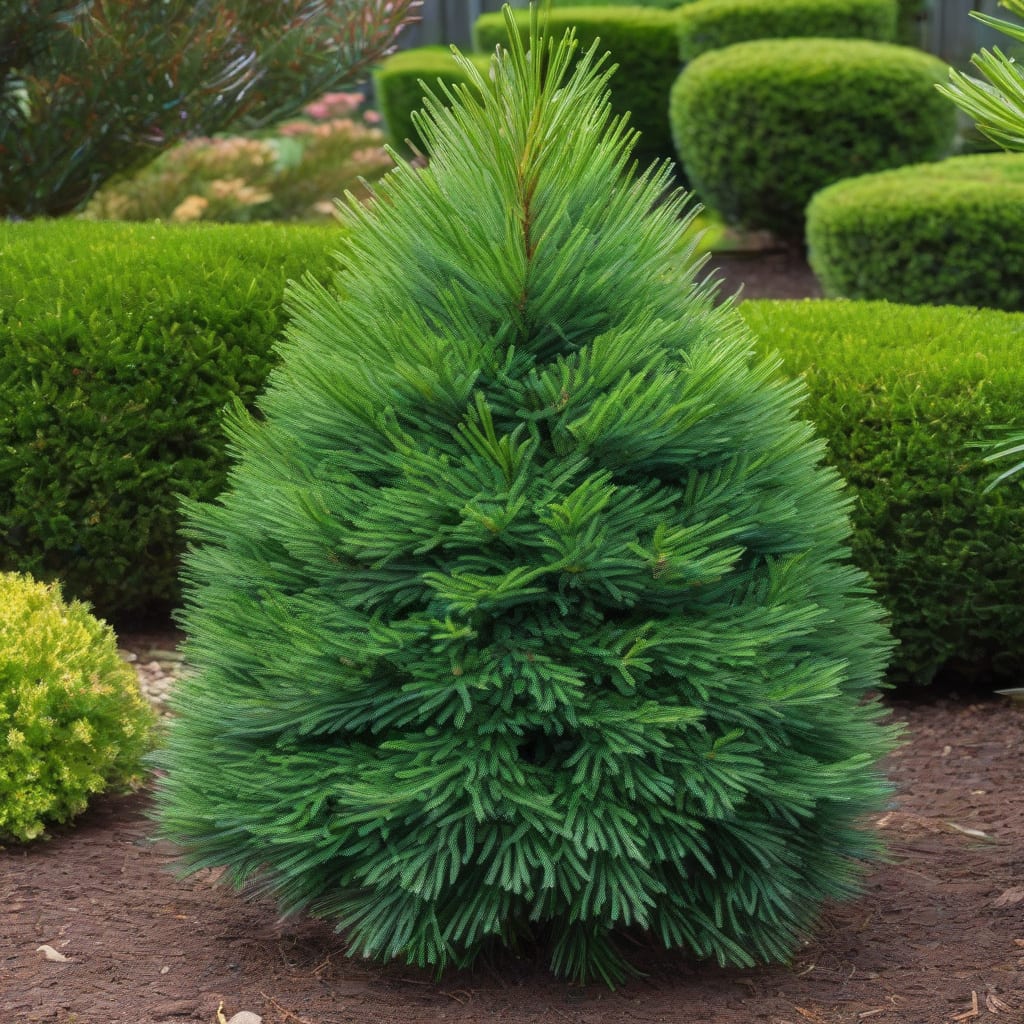
When planning your garden, understanding the growth patterns of Dwarf Pine Trees 🌲 is essential. These compact trees offer the beauty of pine without overwhelming small spaces.
In USDA Zone 6, you can expect controlled growth that fits most garden designs. Let’s explore what influences their height and how to care for them.


Dwarf pine trees are popular for their compact size and evergreen beauty, making them ideal for small gardens and landscapes. Their growth patterns are influenced by several factors, including species variation, soil conditions, climate, and pruning practices.
The height of dwarf pine trees can vary significantly based on these factors. Generally, they are bred to remain smaller than standard pine trees, making them suitable for limited spaces. Let’s explore the key factors that affect their growth.
The combination of these factors determines the ultimate height of your dwarf pine tree. Understanding these elements helps gardeners make informed decisions about planting and care.
Species selection is particularly important as different varieties have distinct growth characteristics. For example, some dwarf pines naturally grow more compactly than others.
Soil conditions play a crucial role in tree health and growth rate. Dwarf pine trees prefer well-draining soil that is rich in organic matter. Poor drainage can lead to root rot and stunted growth.
Climate is another significant factor. While dwarf pines are adaptable, they generally thrive in cooler climates with adequate moisture. Extreme temperatures or drought can stress the trees and affect their height.
Pruning is a vital practice for managing the height and shape of dwarf pine trees. Regular pruning encourages denser growth and helps maintain the desired size.
By considering these factors, gardeners can better predict and manage the growth of their dwarf pine trees, ensuring they remain healthy and visually appealing.
The typical growth rate of dwarf pine trees is relatively slow, usually adding 3-6 inches per year. This slow growth makes them ideal for long-term landscape planning.
In the first year after planting, dwarf pines typically grow 1-2 feet. As they mature, their growth rate slows, and they reach their mature height within 10-15 years.
Overall, understanding the growth patterns of dwarf pine trees allows gardeners to create beautiful, sustainable landscapes that thrive for years to come 🌲.
The height of dwarf pine trees is influenced by various growing conditions that can significantly impact their ultimate size. Understanding these factors helps gardeners make informed decisions about their care.
One of the primary factors affecting the height of dwarf pine trees is soil quality. These trees prefer well-draining soil that is rich in organic matter.
Soil quality, sunlight exposure, and watering practices are crucial factors that determine the height of dwarf pine trees.
Sunlight exposure is another critical factor. Dwarf pine trees thrive in full sun, requiring at least 6 hours of direct sunlight daily.
Watering practices also play a significant role. Consistent moisture is essential, especially during the first few years after planting. However, overwatering can lead to root rot and stunted growth.
The climate in which dwarf pine trees are grown affects their height as well. These trees are adaptable but generally thrive in cooler climates with adequate moisture.
Pruning practices are vital for managing the height and shape of dwarf pine trees. Regular pruning encourages denser growth and helps maintain the desired size.
By understanding and managing these factors, gardeners can better control the height of their dwarf pine trees, ensuring they remain healthy and visually appealing 🌲.
The typical mature height of dwarf pine trees ranges from 6-10 feet, making them suitable for small gardens and landscapes.
Overall, the height of dwarf pine trees is a result of a combination of genetic and environmental factors. By providing optimal growing conditions and proper care, gardeners can enjoy these beautiful trees for years to come.
Pruning is a crucial practice for maintaining the desired height and shape of dwarf pine trees. Regular pruning not only controls the tree’s size but also promotes healthier growth by removing dead or diseased branches.
To effectively manage the height of your dwarf pine tree, it’s essential to understand the proper pruning techniques. Pruning should be done during the dormant season to minimize stress on the tree.
Evaluate the tree’s current shape and identify branches that need removal or trimming to maintain the desired height and density.
Start by removing any dead, diseased, or damaged branches to prevent the spread of disease and improve the tree’s overall health.
Thin out densely packed branches to allow more light to penetrate and improve air circulation, which helps reduce the risk of disease.
Selectively prune branches to maintain the desired shape and height. Make cuts just above a bud or lateral branch to encourage new growth in the right direction.
By following these pruning steps, you can effectively manage the height of your dwarf pine tree while promoting its overall health and appearance 🌲.
Regular pruning not only helps control the tree’s size but also enhances its natural beauty by encouraging denser, more balanced growth.
For best results, prune your dwarf pine tree annually during the late winter or early spring before new growth begins. This timing helps minimize stress and allows the tree to heal quickly.
Proper pruning techniques are essential for maintaining the health and aesthetics of your dwarf pine tree. By understanding and applying these techniques, you can enjoy a beautifully maintained tree that enhances your garden or landscape.
