
Beautiful Plants For Your Interior
Beautiful Plants For Your Interior
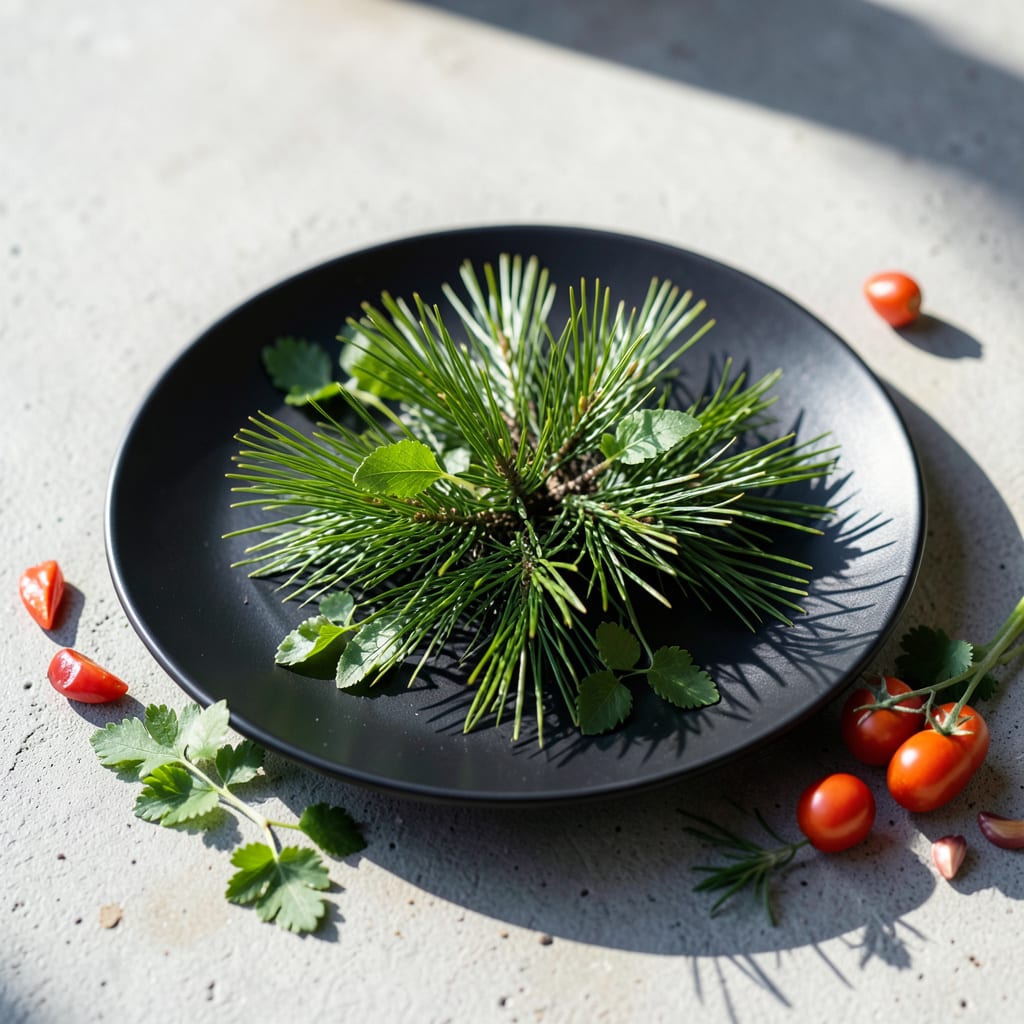
Fertilizing your Pine Tree 🌲 at the right time is crucial for its health and growth. In USDA Zone 6, the ideal time to fertilize is in early spring when new growth begins.
Understanding the best fertilization practices will help you keep your tree thriving throughout the year. I’ll guide you through the process and provide tips on how to give your Pine Tree the nutrients it needs to flourish.

Fertilizing pine trees at the right time is crucial for their health and overall development. In most regions, the best time to fertilize pine trees is during the early spring when new growth begins to emerge. This timing allows the tree to absorb the necessary nutrients as it starts its active growing season 🌱.
In USDA Zone 6, where the last frost date is around April 15, it’s recommended to fertilize pine trees in early spring, typically in March. This period provides the tree with the essential nutrients it needs to support new growth and maintain overall health throughout the growing season.
When fertilizing pine trees, it’s essential to use the right type of fertilizer. The recommended NPK ratio for pine trees is typically 10-10-10 or a slow-release acidic fertilizer. This type of fertilizer provides the necessary nutrients without causing excessive growth that can be detrimental to the tree’s health 🌿.
Applying fertilizer correctly is also crucial. For established pine trees, Sirecommended to spread the fertilizer evenly over the drip line area – the area under the tree’s canopy extending to the edge of the branches. Avoid applying fertilizer too close to the trunk, as this can cause damage to the tree. Watering after application helps the fertilizer dissolve and reach the roots more effectively 💧.
Monitoring the tree’s response to fertilization is important. If the tree shows signs of nutrient deficiency, such as yellowing needles or slow growth, a soil test can help determine the specific nutrients needed. Adjusting the fertilization plan based on the soil test results ensures that the tree receives the appropriate nutrients for optimal health 🌲.
By following these guidelines and understanding when and how to fertilize pine trees, you can help ensure their health and vitality throughout the year. Regular fertilization, combined with proper care and maintenance, will support the tree’s growth and development, allowing it to thrive in its environment.
Fertilizing pine trees is a straightforward process that, when done correctly, can significantly benefit the tree’s overall health and appearance. By adhering to the recommended fertilization schedule and using the appropriate type of fertilizer, you can promote healthy growth and enjoy the beauty of your pine trees for years to come.
For more detailed information on caring for pine trees, including fertilization tips and other maintenance advice, consider consulting with a local gardening expert or referring to reputable gardening resources. These sources can provide additional insights tailored to your specific climate and soil conditions, helping you make the most informed decisions for your pine tree care routine.
By taking the time to understand and implement proper fertilization techniques, you can enhance the health and longevity of your pine trees, ensuring they remain a vibrant and attractive part of your landscape.
Fertilizing pine trees requires careful consideration of the type of fertilizer and application method. Using the right fertilizer type is crucial for providing the necessary nutrients without causing damage 🌿.
The recommended NPK ratio for pine trees is typically 10-10-10 or a slow-release acidic fertilizer. This type of fertilizer provides the necessary nutrients without causing excessive growth that can be detrimental to the tree’s health.
When applying fertilizer, spread it evenly over the drip line area – the area under the tree’s canopy extending to the edge of the branches. Avoid applying fertilizer too close to the trunk.
For established pine trees, it’s recommended to spread the fertilizer evenly over the drip line area. This ensures that the roots receive the necessary nutrients for healthy growth.
Watering after application helps the fertilizer dissolve and reach the roots more effectively. This simple step can make a significant difference in the tree’s response to fertilization 💧.
Monitoring the tree’s response to fertilization is also important. If the tree shows signs of nutrient deficiency, such as yellowing needles or slow growth, a soil test can help determine the specific nutrients needed.
Adjusting the fertilization plan based on the soil test results ensures that the tree receives the appropriate nutrients for optimal health. This proactive approach helps maintain the tree’s health and vitality throughout the year 🌲.
By following these guidelines and understanding how to fertilize pine trees correctly, you can promote healthy growth and enjoy the beauty of your pine trees for years to come.
For more detailed information on caring for pine trees, including fertilization tips and other maintenance advice, consider consulting with a local gardening expert or referring to reputable gardening resources.
Fertilizing pine trees can be beneficial for their growth, but there are several common mistakes to avoid. One of the most significant errors is over-fertilization, which can damage the tree’s roots and cause more harm than good ⚠️.
Another mistake is using the wrong type of fertilizer. Pine trees require acidic fertilizers with a balanced NPK ratio, typically 10-10-10 or a slow-release formula. Using a fertilizer that is not suitable for pine trees can lead to nutrient deficiencies or imbalances 🌿.
Avoid fertilizing pine trees in the fall or winter, as this can cause new growth that may not have time to harden off before cold weather arrives.
Timing is crucial when it comes to fertilizing pine trees. Fertilizing at the wrong time can be ineffective or even harmful. In most regions, the best time to fertilize pine trees is in early spring, when new growth begins to emerge 🌸.
It’s also essential to monitor the tree’s response to fertilization. If the tree shows signs of nutrient deficiency, such as yellowing needles or slow growth, a soil test can help determine the specific nutrients needed 🌲.
By avoiding these common mistakes and following proper fertilization techniques, you can help ensure the health and vitality of your pine trees. Regular fertilization, combined with proper care and maintenance, will support the tree’s growth and development, allowing it to thrive in its environment 🌳.
For more detailed information on caring for pine trees, including fertilization tips and other maintenance advice, consider consulting with a local gardening expert or referring to reputable gardening resources 📚.
The best time to fertilize pine trees is in early spring, typically in March for USDA Zone 6. This allows the tree to absorb necessary nutrients as new growth begins. Fertilizing at this time supports healthy development throughout the growing season.
Pine trees typically require fertilization annually or as needed. The frequency depends on the tree’s health and soil conditions. A soil test can help determine if more frequent fertilization is necessary. Regular monitoring ensures optimal health.
Pine trees benefit from acidic, slow-release fertilizers with a balanced NPK ratio, such as 10-10-10. This type of fertilizer provides necessary nutrients without causing excessive growth. It’s essential to choose a fertilizer suitable for pine trees.
No, it’s best to avoid fertilizing pine trees in fall or winter. Fertilizing during these seasons can cause new growth that may not have time to harden off before cold weather arrives. This can be harmful to the tree.
