
Beautiful Plants For Your Interior
Beautiful Plants For Your Interior
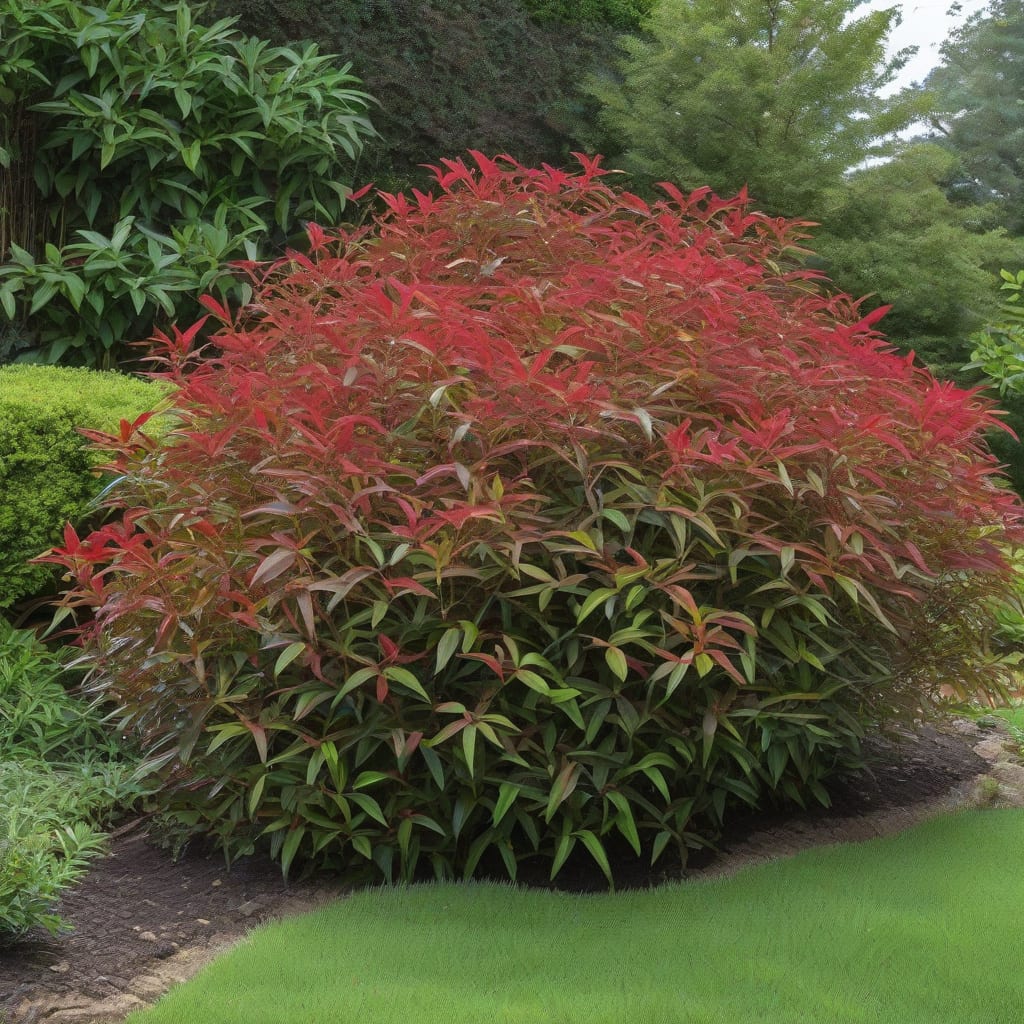
When planning your garden, understanding the growth habits of your plants is crucial. Nandina 🌿, also known as heavenly bamboo, is a popular choice for its vibrant foliage and easy maintenance. But how tall can it grow?
Nandina’s height varies based on factors like variety and growing conditions. In optimal conditions, it can reach 6-8 feet tall, making it a great choice for hedges or borders in USDA Zone 6. Let’s explore its growth habits and care requirements.

Nandina domestica, commonly known as heavenly bamboo, is a popular landscaping plant known for its vibrant foliage and easy maintenance. Understanding its growth habits is crucial for proper garden planning. The plant’s height can vary significantly based on several factors including variety, growing conditions, and maintenance practices.
Nandina typically grows between 4 to 8 feet tall, with some varieties reaching heights of up to 12 feet in ideal conditions. The plant’s growth rate is generally considered moderate, with an average annual growth of 1 to 2 feet under optimal care.
The growth habits of Nandina make it an excellent choice for various landscaping needs. Its ability to thrive in different conditions and its moderate growth rate allow for flexible garden planning. Whether used as a standalone specimen or in mass plantings, Nandina can add significant visual interest throughout the year 🌿.
Understanding the factors that influence Nandina’s height is essential for gardeners looking to maximize its potential. By considering elements such as soil quality, sunlight exposure, and pruning practices, gardeners can ensure their Nandina reaches its optimal height while maintaining its health and vigor.
Nandina’s adaptability to various growing conditions makes it a versatile choice for different garden styles. From formal hedges to informal borders, Nandina’s vibrant foliage and moderate size make it an attractive option for many gardeners.
The plant’s year-round interest is another factor that contributes to its popularity. With its evergreen foliage, colorful new growth, and occasional white flowers, Nandina provides visual interest throughout the seasons.
When planning to incorporate Nandina into your garden, consider its mature size and growth rate to ensure proper spacing and placement. This will help you achieve the desired landscape effect while minimizing maintenance needs.
By understanding Nandina’s growth habits and maximum height potential, gardeners can make informed decisions about its use in their landscapes. Whether you’re looking for a low-maintenance hedge or a specimen plant, Nandina’s characteristics make it a valuable addition to many garden designs.
Nandina’s drought tolerance once established and its resistance to pests are additional factors that contribute to its popularity among gardeners. These characteristics, combined with its attractive foliage, make it a practical and beautiful choice for a variety of garden settings.
In conclusion, Nandina’s growth habits and maximum height make it a versatile and attractive option for gardeners. By understanding its needs and characteristics, you can effectively incorporate this plant into your landscape design, enjoying its beauty and benefits for years to come 🌿.
Nandina’s height is influenced by various environmental conditions and care practices. Understanding these factors is crucial for gardeners who want to optimize their plant’s growth 🌿.
By understanding and managing these factors, gardeners can create optimal conditions for their Nandina to reach its full height potential. Regular monitoring and adjustments to care practices can help ensure the plant remains healthy and vigorous 🌿.
Nandina’s adaptability to various conditions makes it a popular choice for many gardeners. By providing the right growing conditions and care, you can enjoy this beautiful plant’s vibrant foliage and attractive growth habit for years to come.
The key to maximizing Nandina’s height lies in understanding its growth habits and responding to its needs. With proper care and attention, Nandina can become a stunning focal point in your garden.
In summary, Nandina’s height is influenced by a combination of environmental factors and care practices. By optimizing these conditions, gardeners can help their Nandina reach its maximum height potential while maintaining its overall health and vigor 🌱.
Nandina’s height can be effectively managed through proper pruning techniques and regular care. Pruning is essential to maintain the desired height and shape of the plant 🌿.
Prune Nandina in late winter or early spring before new growth begins. This timing helps maintain the plant’s shape and encourages healthy new growth.
Remove any dead or damaged stems to maintain the plant’s appearance and health. Cut these stems at the base to encourage new growth.
Thin out older canes to the ground to promote new growth and maintain the plant’s desired height and density.
Regular maintenance is key to keeping Nandina at the desired height. This includes monitoring the plant’s growth and pruning as necessary 🌱.
By following these pruning techniques and maintaining proper care, you can effectively manage Nandina’s height and enjoy its vibrant foliage and attractive growth habit for years to come.
Nandina’s adaptability to various growing conditions and its low-maintenance requirements make it a popular choice for gardeners looking to add a beautiful and manageable shrub to their landscape.
In summary, managing Nandina’s height through pruning and regular care is straightforward and effective. With the right techniques and attention, you can keep your Nandina healthy and looking its best 🌿.
