
Beautiful Plants For Your Interior
Beautiful Plants For Your Interior
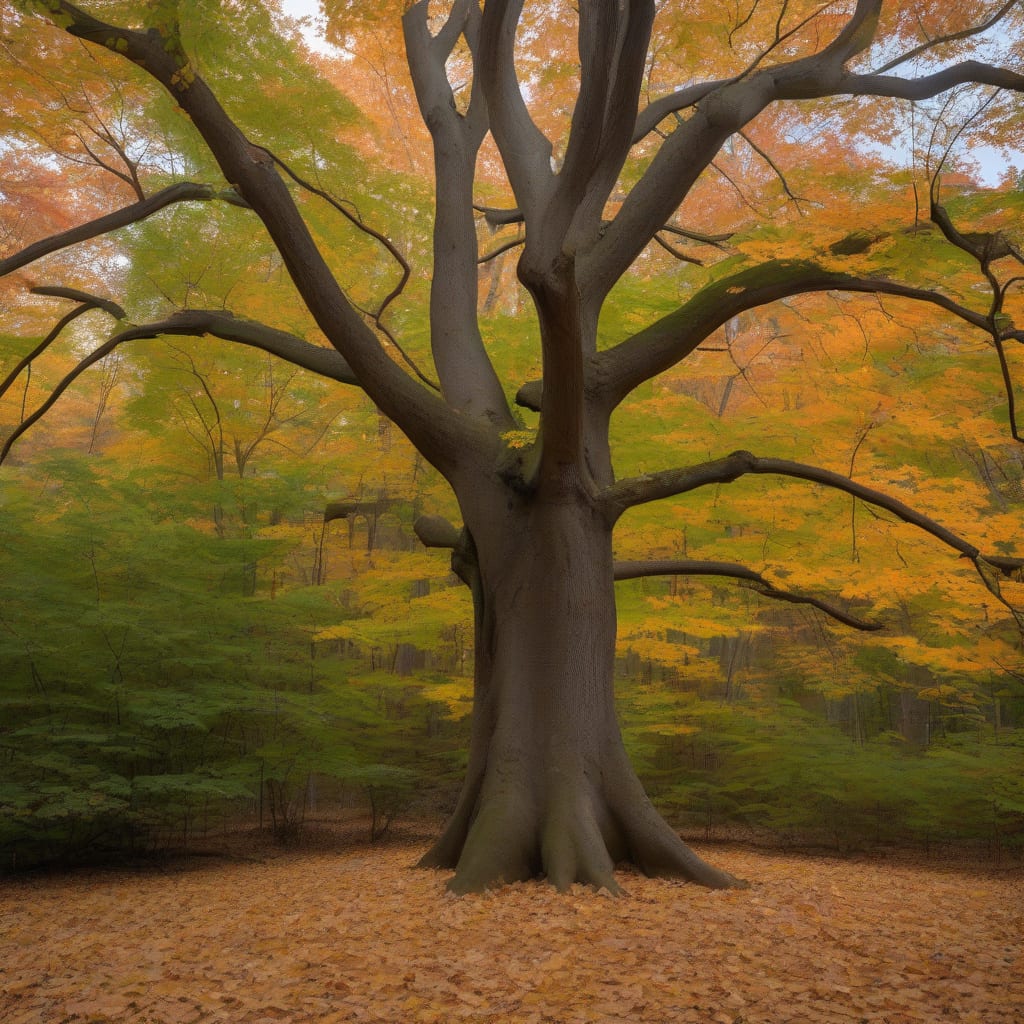
I’ve always been fascinated by the Sassafras Tree 🌳, with its unique mitten-shaped leaves and aromatic bark. Understanding how tall it can grow is essential for landscaping and care.
The Sassafras Tree can reach heights of 50 to 100 feet, making it a substantial addition to any landscape in USDA Zone 6. Let’s explore what affects its growth and how to promote healthy development.


Sassafras trees are known for their unique characteristics and growth patterns. Understanding their height potential is essential for landscaping and care decisions 🌳.
The Sassafras Tree typically grows between 50 to 100 feet tall, with some specimens reaching even greater heights under ideal conditions. Their growth rate is generally considered medium to fast, especially during their early years.
The height of Sassafras Trees can vary significantly based on environmental conditions. Factors such as soil quality, sunlight exposure, and climate all play crucial roles in determining how tall a Sassafras Tree will grow.
On average, Sassafras Trees can live for 100 to 200 years, with some exceptional individuals surviving much longer. Their longevity contributes to their potential for significant height over time.
Young Sassafras Trees typically exhibit a pyramidal growth habit, gradually developing a more oval or rounded crown as they mature. This growth pattern influences their overall height and spread 🌲.
In optimal conditions, with ample space and resources, Sassafras Trees can achieve their maximum height potential. However, in more constrained environments, their growth may be limited by factors such as competition from other vegetation or urban development constraints.
Understanding these growth expectations is crucial for both homeowners and landscapers. It helps in planning appropriate spacing and maintenance strategies for Sassafras Trees.
When planting Sassafras Trees, it’s essential to consider their long-term growth potential. Providing adequate space for their mature size ensures they can develop fully without becoming constrained.
Regular monitoring of a Sassafras Tree’s growth can help identify any potential issues early. This allows for timely interventions, such as pruning or fertilization, to support healthy development.
While Sassafras Trees can grow quite tall, their height can be managed through careful pruning practices. This is particularly important in urban settings where space may be limited.
In conclusion, Sassafras Trees have impressive height potential, making them a striking feature in any landscape. By understanding and supporting their growth needs, we can enjoy these magnificent trees for generations to come 🌳.
Sassafras trees are known for their unique characteristics and growth patterns. Understanding the factors that affect their height is crucial for proper landscaping and care 🌳.
Several environmental and cultural factors influence the height of Sassafras Trees. These include soil quality, sunlight exposure, and climate conditions. Let’s explore these factors in more detail.
Soil quality, sunlight exposure, and climate conditions are crucial for determining the height of Sassafras Trees.
Soil quality plays a significant role in the growth of Sassafras Trees. They prefer well-draining soil that is rich in organic matter. Soil pH also affects their growth, with a slightly acidic to neutral pH being ideal.
Sunlight exposure is another critical factor. Sassafras Trees thrive in full sun to partial shade. Adequate sunlight promotes healthy growth and development.
Climate conditions also impact the height of Sassafras Trees. They are hardy in USDA Zone 6 and can tolerate a range of temperatures. However, extreme weather conditions can affect their growth.
In addition to these environmental factors, maintenance practices such as pruning and fertilization can influence the height of Sassafras Trees. Proper care can help promote healthy growth and maximize their height potential.
Understanding these factors is essential for both homeowners and landscapers. It helps in planning appropriate care strategies for Sassafras Trees, ensuring they reach their full potential 🌲.
By considering these factors and providing optimal conditions, you can support the healthy growth of your Sassafras Tree. Regular monitoring and appropriate care will help your tree thrive.
In conclusion, the height of Sassafras Trees is influenced by a combination of environmental and cultural factors. By understanding and addressing these factors, you can promote healthy growth and enjoy these magnificent trees for years to come 🌳.
I always emphasize the importance of proper pruning and care when it comes to managing the height of Sassafras Trees 🌳.
Pruning is a critical maintenance practice that can help control the height of Sassafras Trees. By removing select branches, you can maintain a desired height and promote a healthy, balanced structure.
Prune during the dormant season to minimize stress and promote healthy regrowth. Remove dead or damaged branches to maintain tree health.
Pruning techniques for Sassafras Trees involve removing dead or damaged branches, as well as any branches that are crossing or rubbing against each other. This helps maintain the tree’s natural shape and promotes healthy growth.
In addition to pruning, other care practices can influence the height of Sassafras Trees. These include fertilization, watering, and mulching. Proper care can help promote healthy growth and maximize the tree’s height potential.
When it comes to fertilization, Sassafras Trees benefit from a balanced fertilizer applied during the growing season. This provides essential nutrients that support healthy growth and development.
Watering is also crucial, especially during the tree’s early years. Consistent moisture promotes healthy root development, which in turn supports the tree’s overall growth, including its height.
Mulching around the base of the tree helps retain moisture, suppress weeds, and regulate soil temperature. This creates a more favorable environment for the tree to grow.
By combining proper pruning techniques with other care practices, you can effectively manage the height of your Sassafras Tree. Regular maintenance ensures your tree remains healthy and thrives 🌲.
In conclusion, managing the height of Sassafras Trees requires a combination of proper pruning and care practices. By understanding and implementing these strategies, you can enjoy a healthy, well-maintained tree that enhances your landscape 🌳.
