
Beautiful Plants For Your Interior
Beautiful Plants For Your Interior
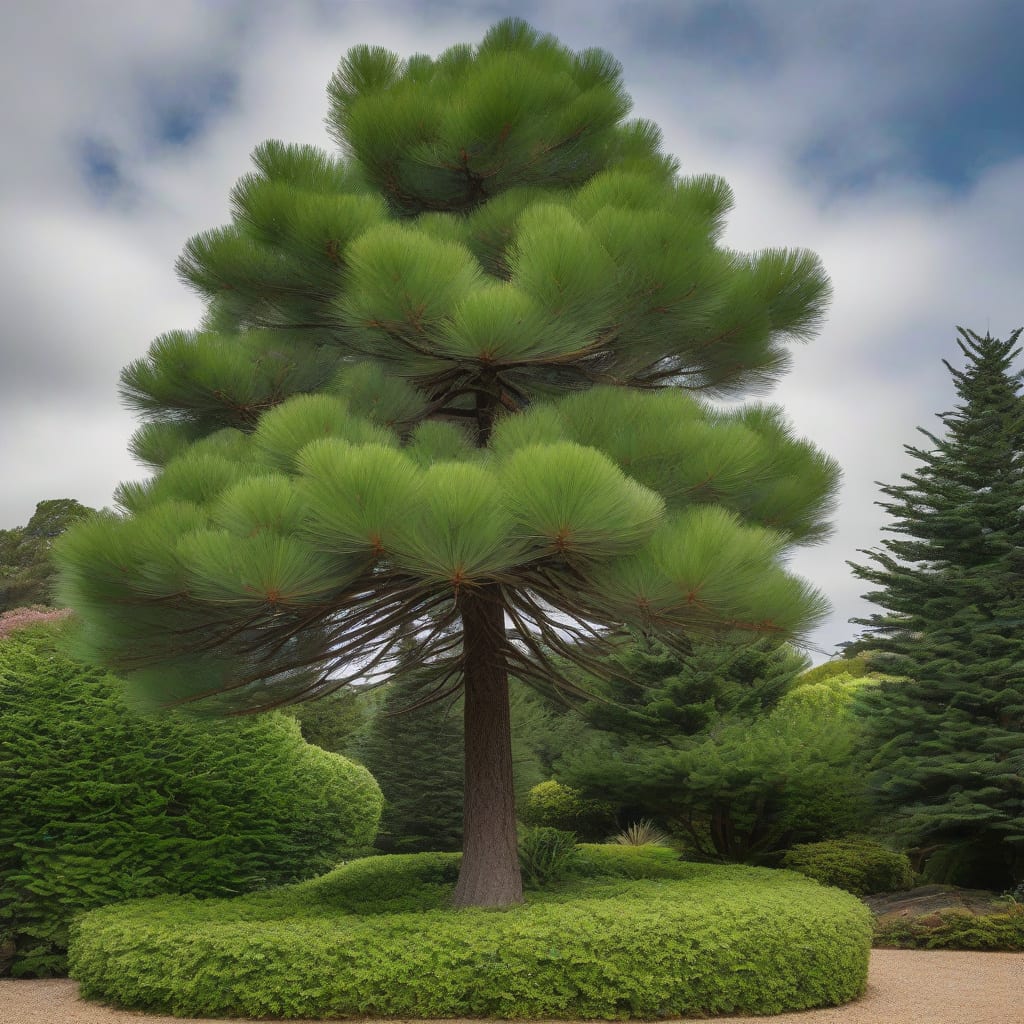
When I think about majestic trees, the Pine Tree 🌲 immediately comes to mind. These trees can grow to varying heights depending on their species and growing conditions. Understanding their growth potential is essential for proper landscape planning.
I’ve learned that factors like climate, soil quality, and available space play a significant role in determining how tall a Pine Tree will grow. Let’s explore these factors and what you can expect from these magnificent trees in your landscape.
When considering how tall pine trees can grow, several factors come into play. The species of pine tree is a primary determinant, as different species have varying growth potentials. For instance, the white pine can grow taller than the dwarf pine. Climate and soil quality also significantly impact growth, with optimal conditions allowing trees to reach their maximum potential height 🌲.
The climate in which a pine tree grows affects its height. Trees in areas with long growing seasons and adequate rainfall tend to grow taller than those in harsher conditions. Additionally, soil quality plays a crucial role, as trees in well-draining, nutrient-rich soil are likely to grow more vigorously.
Understanding these factors helps in selecting the right pine tree for your landscape and ensuring it reaches its full potential height. The genetic predisposition of the tree, combined with environmental conditions, ultimately determines its height.
Pine trees are known for their ability to adapt to various environments, but optimal conditions yield the best results. By considering the factors that influence growth, you can better manage your pine trees to achieve the desired height 🌳.
The height of pine trees can vary significantly based on the aforementioned factors. Proper care and management can help ensure that your pine trees grow to their maximum height, contributing to a beautiful and thriving landscape 🌱.
By focusing on the right factors that influence pine tree height, you can create an optimal environment for your trees to flourish. This includes selecting the appropriate species and providing the necessary care to support their growth.
As we explore the various aspects that affect pine tree height, it becomes clear that a combination of natural and managed factors plays a crucial role. Understanding and addressing these factors can help you achieve the desired height for your pine trees.
The growth potential of pine trees is a key consideration for anyone looking to cultivate these majestic trees. By understanding the factors that influence their height, you can make informed decisions about their care and management.
In conclusion, the height of pine trees is influenced by a variety of factors, including species, climate, and soil quality. By understanding and managing these factors, you can help your pine trees reach their full potential height, enhancing the beauty and value of your landscape 🌲.
When exploring how tall pine trees can grow, it’s essential to consider the various species and their growth characteristics. Different pine tree species exhibit a wide range of heights, from the relatively short dwarf pine to the towering white pine 🌲.
The height potential of pine trees varies significantly across different species. For example, the white pine can reach heights of up to 150 feet, while the Scots pine typically grows to around 50-60 feet. Understanding these differences is crucial for selecting the right tree for your landscape.
The maximum height of pine trees is influenced by their genetic makeup and environmental conditions. While some species naturally grow taller than others, factors like climate, soil quality, and available space also play significant roles 🌳.
By understanding the typical and maximum heights of different pine species, you can make informed decisions about which trees to plant in your landscape. This knowledge helps ensure that your trees have enough space to grow and thrive.
Pine trees are renowned for their ability to adapt to various environments, but their height is ultimately determined by a combination of genetic and environmental factors. Proper care and management can help these trees reach their full potential height 🌲.
The height potential of pine trees is a key consideration for landscape planning. By selecting the appropriate species and providing optimal growing conditions, you can cultivate majestic pine trees that enhance the beauty of your surroundings.
In conclusion, the height to which pine trees grow varies significantly among different species. Understanding these differences and the factors that influence growth can help you make informed decisions about planting and caring for pine trees in your landscape 🌲.
To manage pine tree growth effectively and achieve optimal height, it’s crucial to understand the importance of pruning techniques and proper spacing. Pruning helps maintain the tree’s shape and promotes healthy growth, while adequate spacing ensures that trees have enough room to develop fully 🌳.
Prune your pine trees during the dormant season to minimize stress and promote healthy growth. Remove any dead or damaged branches to maintain the tree’s overall health.
Pruning is a critical aspect of managing pine tree growth. By removing dead or damaged branches, you can prevent disease and encourage the tree to focus its energy on healthy growth. It’s also essential to prune any branches that are crossing or rubbing against each other, as this can cause damage to the tree 🌲.
Proper spacing is another vital factor in managing pine tree growth. Planting trees too close together can lead to competition for resources like light, water, and nutrients. Ensuring adequate space between trees allows them to grow and develop without undue stress 🌱.
In addition to pruning and spacing, maintenance practices like mulching and fertilization can support healthy growth. Mulching around the base of the trees helps retain moisture and suppress weeds, while fertilization provides essential nutrients for growth 🌿.
By combining these strategies, you can effectively manage the growth of your pine trees and achieve the desired height. Regular monitoring and maintenance are key to ensuring that your trees remain healthy and thrive in their environment 🌲.

