
Beautiful Plants For Your Interior
Beautiful Plants For Your Interior
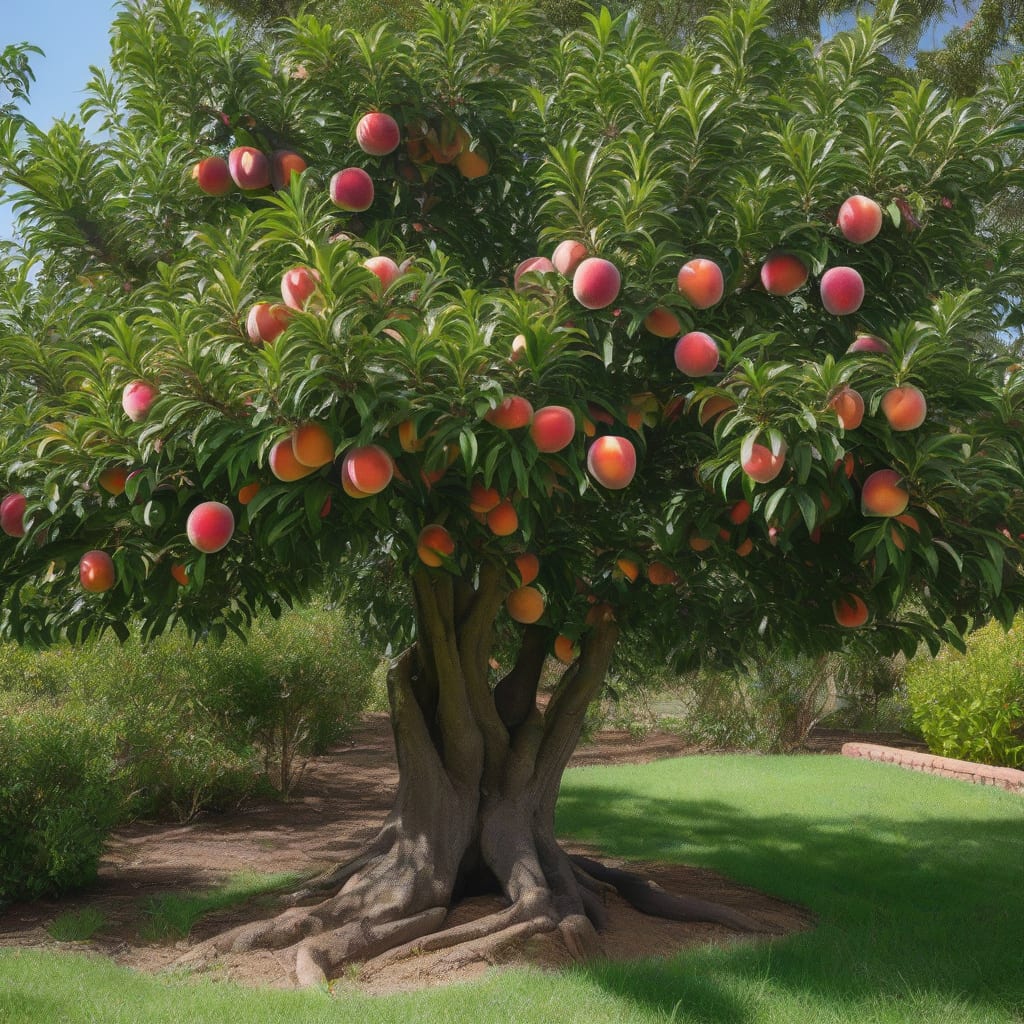
When planting a Nectarine Tree 🍑, understanding its growth potential is crucial for optimal garden planning. The height of these trees varies significantly based on factors like rootstock and variety.
In general, Nectarine Trees can grow between 8-25 feet tall, with dwarf varieties staying on the lower end and standard trees reaching the maximum height. Knowing what to expect helps you plan your garden layout effectively.


Nectarine tree height is influenced by multiple factors that gardeners should consider when planting and maintaining their trees. The rootstock plays a crucial role in determining the ultimate height of the tree, with different rootstocks offering varying levels of vigor 🌱.
The variety of nectarine tree is another significant factor, as different cultivars have been bred for specific growth habits. Climate conditions, such as temperature and sunlight exposure, also impact tree height by affecting growth rates and overall health 🌻.
Understanding these factors helps gardeners make informed decisions about tree selection and care. For example, choosing a dwarf rootstock can limit the tree’s height, making it more suitable for smaller gardens or containers 🪴.
The climate in which the nectarine tree is grown significantly affects its height. Trees grown in optimal conditions with full sun and appropriate temperatures tend to grow more vigorously than those in less favorable environments 🌞.
Cultivation practices, particularly pruning and training, play a crucial role in managing nectarine tree size. Proper pruning techniques can help control the tree’s height while promoting healthy growth and fruit production 🌿.
Nectarine trees typically require regular pruning to maintain their shape and size. This involves removing dead or diseased branches and thinning out the canopy to allow for better light penetration and air circulation 🔄.
By understanding and managing these factors, gardeners can better control the height of their nectarine trees and ensure they remain healthy and productive. Proper care and maintenance are essential for achieving the desired tree size and maximizing fruit yield 📈.
The specific growing conditions, including soil quality and watering practices, also contribute to the overall health and size of the nectarine tree. Ensuring the tree receives adequate nutrients and water supports vigorous growth 🌿.
In summary, the height of a nectarine tree is influenced by a combination of genetic factors, environmental conditions, and cultivation practices. By carefully selecting the right variety and rootstock, and implementing appropriate care strategies, gardeners can manage their nectarine tree’s size effectively 🌟.
Regular monitoring and adjustment of care practices are necessary to maintain the desired tree height and promote overall tree health. This includes ongoing pruning and training, as well as ensuring optimal growing conditions 📊.
Effective management of nectarine tree height not only enhances the garden’s aesthetic appeal but also contributes to better fruit production and easier harvesting. By understanding the factors that influence tree height, gardeners can create a more productive and enjoyable gardening experience 🌼.
Nectarine trees come in various sizes, ranging from dwarf to standard varieties. Understanding the typical height range for each type helps gardeners choose the right tree for their space 🌳.
The height of nectarine trees is primarily determined by the rootstock and cultivar. Dwarf varieties are ideal for smaller gardens or containers, while standard trees suit larger spaces 🌻.
The dwarf varieties typically grow between 8-12 feet tall, making them perfect for small gardens or container gardening. These compact trees are ideal for urban gardeners or those with limited space 🌟.
Semi-dwarf nectarine trees reach heights of 12-18 feet, offering a balance between size and fruit production. They are suitable for medium-sized gardens where a larger tree is acceptable 🌳.
Standard nectarine trees are the largest, growing up to 18-25 feet tall. These trees are best suited for large gardens or commercial orchards where space is not a constraint 🌲.
When selecting a nectarine tree, consider the mature size to ensure it fits your available space. Proper pruning can also help manage the tree’s height and promote healthy growth ✂️.
By understanding the different varieties and their growth habits, gardeners can make informed decisions about which nectarine tree is best for their needs 📚.
Nectarine trees, regardless of variety, require full sun and well-draining soil to thrive. Ensuring these conditions are met will support optimal growth and fruit production 🌞.
In conclusion, the height of nectarine trees varies significantly based on the variety. By choosing the right type for your space and providing appropriate care, you can enjoy a bountiful harvest of delicious nectarines 🍑.
Proper pruning and training are essential for managing the size of nectarine trees and promoting healthy growth. Regular pruning helps control the tree’s height, encourages fruit production, and removes dead or diseased branches 🌿.
Prune your nectarine tree every year during its dormant season to maintain shape and promote fruiting.
Cut away any dead, diseased, or damaged branches to prevent disease spread and encourage healthy growth.
Thin out crowded areas to improve air circulation and sunlight penetration, which helps in fruit development.
By following these pruning steps, you can effectively manage your nectarine tree’s size and enhance its overall health and productivity. Regular maintenance is key to achieving the best results 🌟.
Training your nectarine tree involves shaping its structure to optimize space and fruit production. Techniques such as espaliering or using a central leader system can help control the tree’s height and spread 🌳.
Effective pruning techniques not only manage the tree’s size but also improve its ability to produce fruit. By removing unnecessary growth, you direct the tree’s energy towards fruit development 🍑.
Regular monitoring of your nectarine tree’s growth and response to pruning is crucial. Adjust your pruning strategy as needed to maintain the desired size and health of the tree 📊.
