
Beautiful Plants For Your Interior
Beautiful Plants For Your Interior
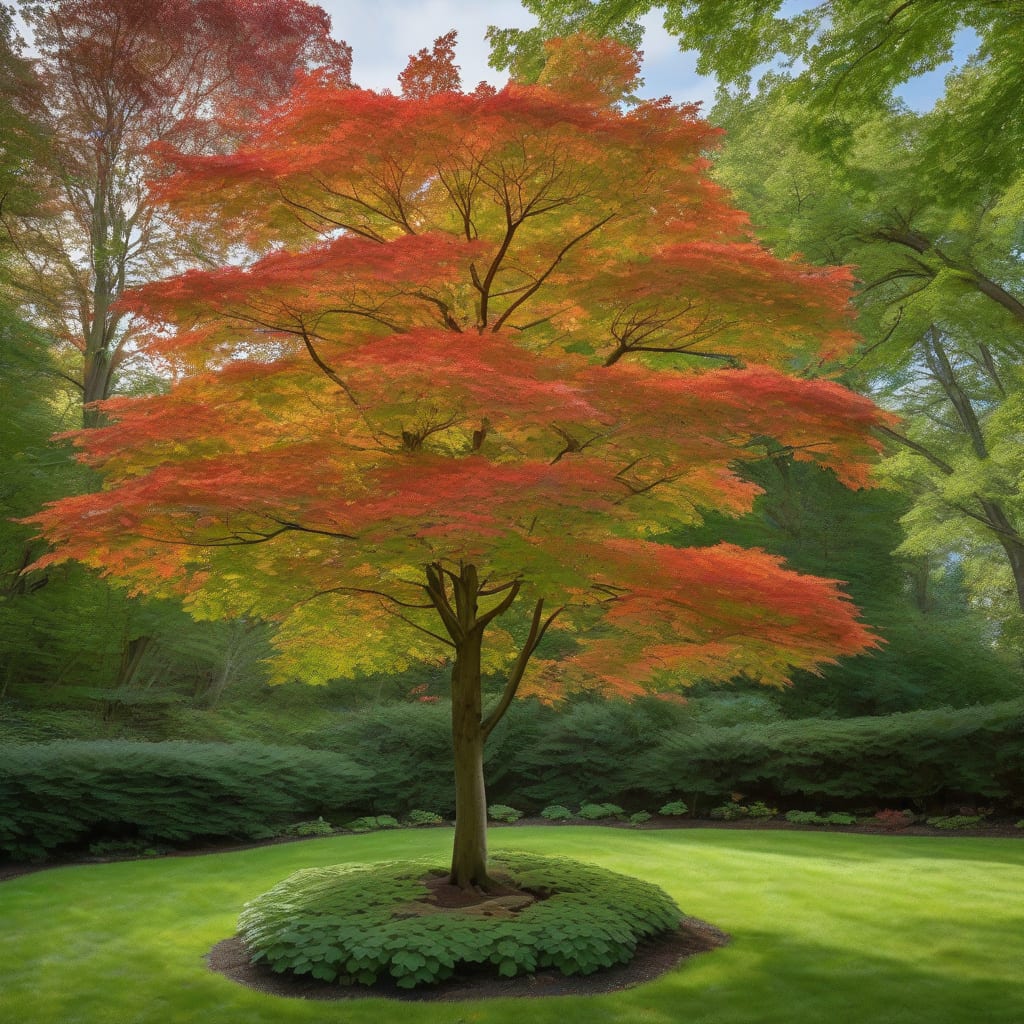
I’ve always been fascinated by the majestic Maple Tree 🌳, known for its stunning fall colors and impressive growth potential. Understanding how tall these trees can grow is crucial for gardeners planning their landscapes.
The height of a Maple Tree can vary significantly based on factors like soil quality and climate. Let’s explore the maximum heights these beautiful trees can reach and what influences their growth.

5 ft

10 ft

15 ft

50-100 ft
I’ve found that the height of a Maple Tree can be influenced by various factors. Understanding these factors is crucial for gardeners who want to optimize the growth of their trees 🌳.
The soil quality plays a significant role in determining the height of a Maple Tree. Trees growing in well-draining, nutrient-rich soil tend to grow taller than those in poor soil conditions. Additionally, the climate and maintenance practices such as pruning and fertilization can also impact the tree’s height.
The genetic makeup of a Maple Tree also influences its potential height. Different species have varying growth habits, with some naturally growing taller than others. For instance, the Sugar Maple can grow significantly taller than the Japanese Maple.
Understanding these factors can help gardeners make informed decisions about planting and caring for their Maple Trees. By optimizing the growing conditions and maintenance practices, gardeners can encourage their trees to reach their full height potential 🌱.
It’s worth noting that the height of a Maple Tree can also be affected by external factors such as maintenance practices and environmental conditions. Understanding these factors can help gardeners optimize the growth of their Maple Trees.
Proper care and maintenance are crucial for the optimal growth of a Maple Tree. Regular watering and fertilization can help promote healthy growth, учoding regular pruning to maintain the tree’s shape and encourage new growth. By understanding the importance of these practices, gardeners can better care for their Maple Trees 🌳.
The frequency of watering and the type of fertilizer used can significantly impact the tree’s height. Maple Trees prefer well-draining soil and consistent moisture, especially during their first year of growth. A balanced fertilizer applied during the growing season can provide essential nutrients for healthy growth.
By combining proper care and maintenance with an understanding of the factors that influence height growth, gardeners can help their Maple Trees reach their full potential. This includes being mindful of the tree’s genetic predispositions and adapting care practices accordingly 🌱.
Regular monitoring of the tree’s health and adjusting care practices as needed can also contribute to optimal height growth. Gardeners should be aware of potential issues such as pests or diseases that could impact the tree’s growth and take appropriate action to address them.
Different species of Maple Trees have varying potential heights. Understanding these differences can help gardeners choose the right tree for their landscape 🌱.
By understanding the typical height ranges and growth characteristics of different Maple Tree species, gardeners can make informed decisions about which trees to plant and how to care for them 🌳.
The Sugar Maple and Red Maple are known for their potential to grow quite tall, making them suitable for larger landscapes. In contrast, the Japanese Maple is generally smaller and often used in more compact garden designs.
Pruning is an effective way to manage the height of a Maple Tree while maintaining its health and aesthetics 🌳.
Evaluate the tree’s structure and identify branches to remove
Remove branches that are dead, diseased, or crossing
Prune to maintain the desired shape and height
By following these pruning tips, gardeners can effectively manage the height of their Maple Trees while promoting overall tree health 🌱.
Regular pruning not only helps control the tree’s height but also enhances its appearance and encourages healthy growth. It’s essential to use proper pruning techniques to avoid damaging the tree.
I’ve always been fascinated by the diverse range of Maple Tree species and their varying growth potentials. Different species can grow to different heights, making some more suitable for certain landscapes than others 🌳.
The Sugar Maple and Red Maple are known for their potential to grow quite tall, making them suitable for larger landscapes. In contrast, the Japanese Maple is generally smaller and often used in more compact garden designs 🌳.
When selecting a Maple Tree for your landscape, it’s essential to consider the mature height of the tree to ensure it fits within your available space. Understanding the growth characteristics can also help you plan for future maintenance 🌱.
The growth rate of a Maple Tree can also vary significantly between species. For example, the Red Maple is known for its fast growth rate, while the Sugar Maple grows at a slower pace. This information can help gardeners plan their landscapes and anticipate future growth 🌲.
By understanding the typical height ranges and growth characteristics of different Maple Tree species, gardeners can make informed decisions about which trees to plant and how to care for them. This knowledge can help ensure that the trees thrive in their environment 🌳.
Regular monitoring of the tree’s health and adjusting care practices as needed can also contribute to optimal height growth. Gardeners should be aware of potential issues such as pests or diseases that could impact the tree’s growth and take appropriate action to address them 🌲.
I’ve found that pruning is an effective way to manage the height of a Maple Tree while maintaining its health and aesthetics 🌳.
To prune effectively, it’s essential to understand the proper techniques and timing. Pruning during the dormant season can help minimize stress on the tree and promote healthy growth in the spring.
Evaluate the tree’s structure and identify branches to remove
Remove branches that are dead, diseased, or crossing
Prune to maintain the desired shape and height
By following these pruning tips, gardeners can effectively manage the height of their Maple Trees while promoting overall tree health. Regular pruning not only helps control the tree’s height but also enhances its appearance and encourages healthy growth 🌱.
Proper pruning techniques are crucial for maintaining the tree’s health. Using clean, sharp tools and making cuts at the right locations can help prevent damage and disease.
Understanding the growth patterns of your Maple Tree can also inform your pruning strategy. Some Maple Trees grow more rapidly than others, requiring more frequent pruning to maintain the desired height 🌳.
By combining regular pruning with other good maintenance practices, such as proper watering and fertilization, gardeners can help their Maple Trees thrive and reach their full potential.
